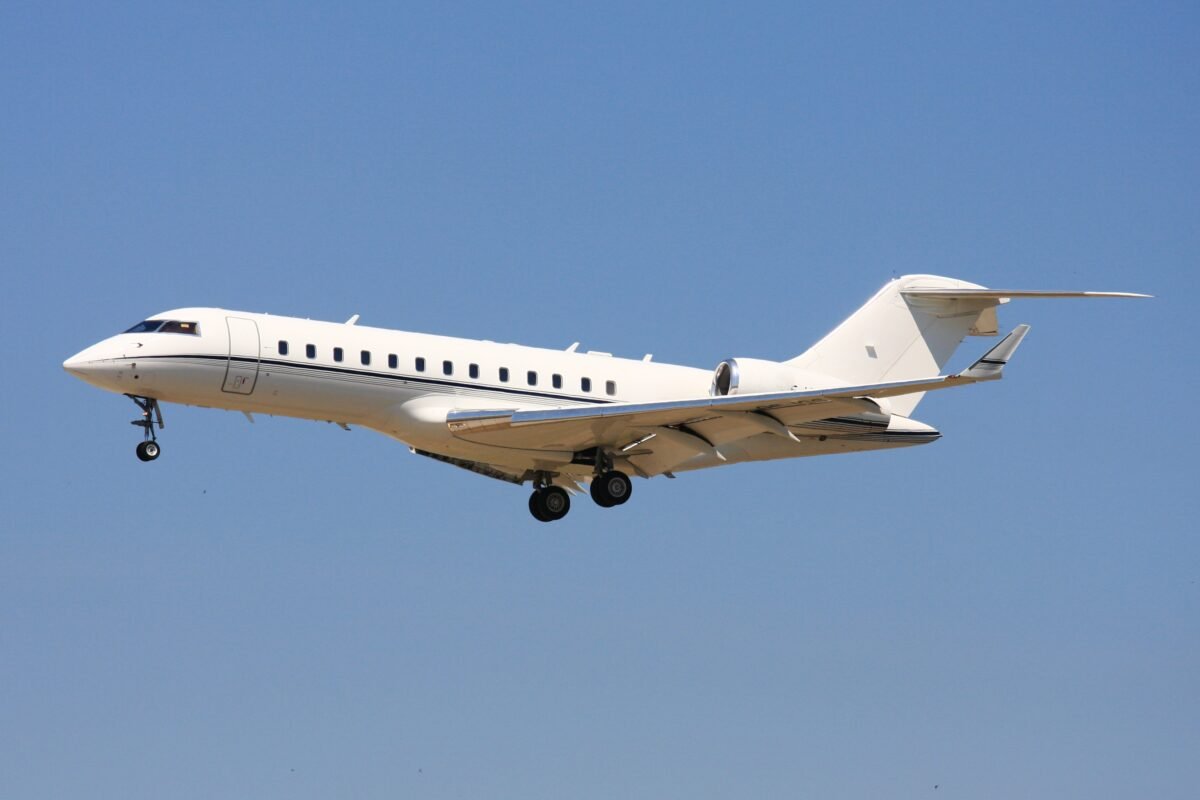
Engine Demand Across African Airlines: Market Analysis 2026
Engine Demand Across African Airlines: Market Analysis 2026
Comprehensive analysis of engine demand, fleet composition, MRO capacity constraints, leasing trends, and strategic opportunities for lessors, MROs, and parts suppliers across the African aviation market.
Safe Fly Aviation – international aircraft charter brokerage and aviation advisory company.
The African Aviation Engine Market: A Growing Opportunity
African aviation is poised for significant growth, driven by rising middle-class travel demand, intra-African trade liberalization under the African Continental Free Trade Area (AfCFTA), and the expansion of key carriers including Ethiopian Airlines, Kenya Airways, Royal Air Maroc, and Air Côte d'Ivoire. This growth translates directly into increasing demand for aircraft engines, MRO services, and parts support.
Unlike more mature markets, Africa faces unique challenges: limited local MRO capacity, reliance on overseas engine overhauls, an aging fleet with mixed engine types, and currency volatility affecting maintenance budgeting. These factors create both constraints and opportunities for engine lessors, parts suppliers, and MRO providers.
African Airline Fleet & Engine Composition
Understanding the engine mix across Africa's leading carriers is essential for demand forecasting. The fleet is dominated by CFM56-powered Boeing 737NG and Airbus A320ceo families, with growing numbers of LEAP and PW1000G engines on newer 737 MAX and A320neo aircraft.

| Carrier | Primary Aircraft | Dominant Engine | Fleet Size (est.) | Engine Demand Driver |
|---|---|---|---|---|
| Ethiopian Airlines | B787, A350, B737, Q400 | GEnx, Trent XWB, CFM56 | 140+ | Rapid expansion; high utilization |
| Kenya Airways | B787, B737, E190 | GEnx, CFM56, GE CF34 | 35+ | Lease returns; fleet renewal |
| Royal Air Maroc | B787, B737, A320 | GEnx, CFM56, V2500 | 50+ | European connectivity; expansion |
| Air Côte d'Ivoire | A320neo, A319 | PW1000G, CFM56 | 15+ | Growing West African hub |
| EgyptAir | B787, B737, A320, A220 | GEnx, CFM56, PW1500 | 60+ | Mixed fleet; specialized support |
| South African Airways (restructuring) | A320, A330 | CFM56, Trent 700 | 20+ | Relaunch; lease requirements |
Dominant Engine Platforms Across Africa
Five engine families represent the vast majority of powerplant demand across African commercial aviation:

✈️ CFM56-5B / -7B
The backbone of African narrowbody fleets. Powers A320ceo and B737NG. High aftermarket demand for HPT blades, fuel nozzles, and accessory components.
🚀 LEAP-1A / -1B
Entering service on A320neo and B737 MAX. Growing presence with Ethiopian, Air Côte d'Ivoire, and others. Longer lead times for new engines and overhauls.
⚙️ V2500
Present on A320ceo aircraft, particularly with Royal Air Maroc and select lessors. Steady aftermarket demand.
🛫 PW1000G (GTF)
On A220 and A320neo family. Air Côte d'Ivoire operates A320neo with GTF engines. Maintenance costs and durability remain key considerations.
🌍 GEnx & Trent
Widebody engines on Ethiopian B787, Kenya Airways B787, and EgyptAir B787. Long-cycle overhauls; specialized MRO required.
MRO Capacity Constraints: Africa's Critical Bottleneck
Africa's engine MRO landscape is characterized by limited local capability. The continent has few facilities approved for major engine overhauls, forcing operators to send engines to Europe, the Middle East, or Asia. This creates several challenges:

Current Limitations
- Ethiopian Airlines MRO: One of few facilities with significant capability, but primarily serves its own fleet
- SAA Technical: Reduced capacity following airline restructuring
- Limited third-party MRO: Few independent engine shops approved for major overhauls
- Geographic dispersal: Engines must travel long distances for service
Operational Impacts
- Lead times: 6-12 months typical for engine overhaul
- Shipping costs: Significant expense for heavy engine movements
- Spare engine requirements: Operators need higher spare ratios than global average
- Currency risk: International MRO costs in USD/EUR create budgeting uncertainty
Engine Leasing & Power-by-the-Hour (PBH) Growth
With limited access to maintenance financing and unpredictable overhaul costs, African operators are increasingly turning to engine leasing and power-by-the-hour (PBH) agreements. This dynamic is reinforced by the region's thin margins — African carriers average roughly 1.0% profitability, per IATA — making it difficult to self-fund large, lumpy overhaul bills without financing support. These models offer:
💰 Predictable Monthly Costs
PBH converts large, unpredictable overhaul expenses into fixed hourly charges, improving financial planning.
🔄 Flexible Fleet Management
Engine leasing allows operators to add or remove capacity without long-term ownership commitment.
🌍 MRO Access
PBH programs often include guaranteed access to MRO slots, reducing lead time uncertainty.
💵 Capital Preservation
Leasing preserves working capital for other operational priorities.
Strategic Recommendations for the African Market
For engine lessors, MRO providers, and parts suppliers looking to serve the African market effectively:
📈 Establish Local Presence
On-the-ground technical representatives in key hubs (Addis Ababa, Nairobi, Casablanca) improve customer confidence and responsiveness.
🔄 Flexible Leasing Terms
African operators value short-to-medium term lease flexibility and payment structures that accommodate currency considerations.
🏗️ USM Inventory in Region
Pre-positioned spare engines and critical components in African warehouses reduce AOG response times.
🤝 PBH Program Availability
Accessible PBH agreements with predictable pricing are highly attractive to African carriers managing tight margins.
Frequently Asked Questions: African Engine Demand
Which engines are most common in African airline fleets?
CFM56 dominates the narrowbody segment across Africa, powering Boeing 737NG and Airbus A320ceo fleets. The V2500 is also present on A320ceo aircraft, while LEAP and PW1000G are entering service on newer 737 MAX and A320neo families.
What are the biggest engine MRO constraints in Africa?
Limited local MRO capacity forces most African operators to send engines to Europe, the Middle East, or Asia for overhaul. Lead times of 6-12 months are common, creating significant operational and financial pressure.
How is the Africa Continental Free Trade Area affecting aviation?
The African Continental Free Trade Area (AfCFTA) is expected to increase intra-African trade and travel, driving demand for air connectivity and, consequently, aircraft and engine support services across the continent.
Why are engine leasing and PBH agreements growing in Africa?
Power-by-the-hour (PBH) and engine leasing models allow African operators to convert high upfront maintenance costs into predictable monthly expenses, improving cash flow and financial planning.
What engine types face the most acute scarcity in Africa?
CFM56 modules and high-value components (HPT blades, fuel controls, accessory gearboxes) are consistently in high demand, as are spare engines for lease coverage during overseas overhauls.
Which African airlines are growing fastest?
Ethiopian Airlines, Air Côte d'Ivoire, and Royal Air Maroc have demonstrated consistent growth. New entrants in West and East Africa are also expanding, creating additional engine demand.
🔗 Related Safe Fly Aviation Services & Resources
- Aircraft Sales Opportunities in Africa
- Engine & APU Sourcing
- CFM56-5B Engine Availability Report
- Engine Records Review Checklist
- Engine Storage & Return-to-Service Guide
- Aircraft Parts Traceability Guide
- Aircraft Teardown Market Growth
- Premium Aircraft Engines for Sale Worldwide
- Aircraft Acquisition & Brokerage
📚 Sources & Further Reading
- AFRAA – Africa Commercial Market Outlook 2026-2045
- IATA – Africa Growth Strengthens But Structural Challenges Keep Airline Profitability Marginal (Dec 2025)
- Boeing Commercial Market Outlook – Africa Fleet Forecast (via CAPA/CentreForAviation, Sept 2026)
- Airbus Global Market Forecast 2026-2045
- Ethiopian Airlines MRO – Service Capabilities
- Kenya Airways – Investor Relations, Financial Results
- Royal Air Maroc – Fleet development plans (based on general industry reporting; no single official source could be verified)
- CFM International – Services & Support
- Pratt & Whitney (RTX) – GTF Commercial Engines
Supporting African Aviation with Engine Solutions
Safe Fly Aviation provides advisory services for engine leasing, parts procurement, and MRO coordination across African markets. Whether you need CFM56 support, lease placement, or technical guidance, our team is available 24/7.
📞 Call / WhatsApp: +91 7840000473
📧 Email: info@safefly.aero
🌐 Website: www.safefly.aero