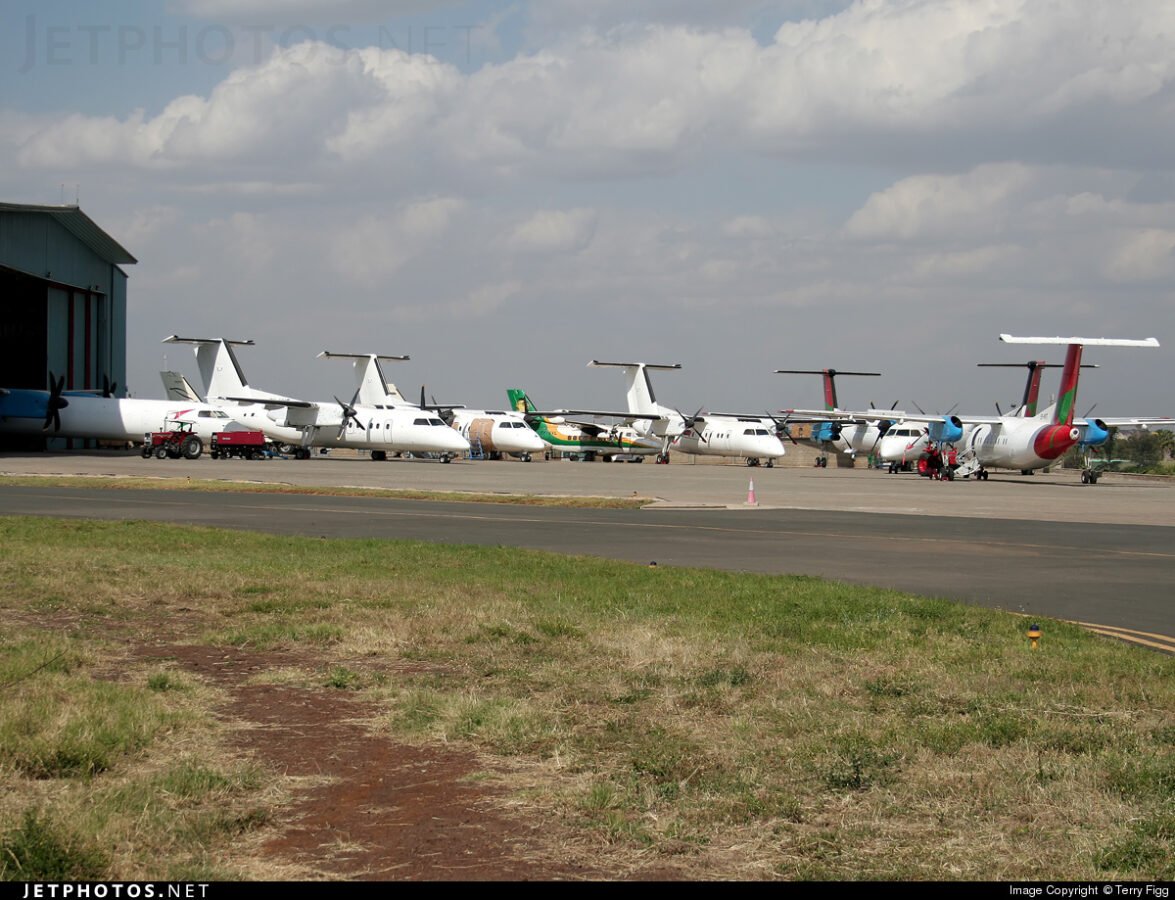
Regional Airline Fleet Modernization Trends 2026
Regional Airline Fleet Modernization Trends: Retirements, Deliveries & Strategic Implications
Analysis of the evolving regional aircraft landscape, including production timelines, engine MRO pressures, USM availability, retirement forecasts, aircraft values, and strategic guidance for operators navigating fleet transitions.
Safe Fly Aviation – international aircraft charter brokerage and aviation advisory company.
The Regional Fleet Crossroads: Modernization vs. Extended Service Life
Regional aviation sits at a complex intersection. While next-generation aircraft like the Embraer E175-E2, ATR 42/72-600, and De Havilland Dash 8-400 offer efficiency gains, OEM delivery delays and engine support constraints are forcing operators to extend the service lives of older generation regional jets and turboprops. This tension is reshaping fleet planning, MRO strategies, and used serviceable material (USM) markets across the sector.
Current market dynamics reveal a stark reality: regional airlines cannot replace their fleets as quickly as needed. With new aircraft deliveries slipping and engine overhauls facing capacity constraints, operators are retaining CRJ, ERJ, and earlier-generation ATR and Dash 8 fleets longer than anticipated—creating both challenges and opportunities for lessors, MRO providers, and parts suppliers.
Key Drivers of Regional Fleet Modernization
Several interconnected factors are pushing regional airlines toward fleet renewal—even as delivery delays slow the transition.
⛽ Fuel Efficiency Gains
New-generation regional aircraft offer 15-25% fuel burn reduction, critical for margin improvement and ESG compliance.
🔧 Engine Maintenance Costs
Aging engines on CRJ/ERJ fleets face escalating overhaul costs and part availability constraints, driving replacement economics.
🌍 Emissions Regulations
Stricter noise and CO2 standards make older regional jets less competitive for European and North American operations.
📊 Passenger Experience Expectations
Wi-Fi, larger overhead bins, and quieter cabins are now baseline expectations, advantaging newer turboprops and jets.
Regional Aircraft Platform Status: Production & Availability
Understanding which platforms remain in production, which are paused, and which have ended is fundamental to fleet planning.
| Aircraft Type | Production Status | Next-Gen Timeline | Fleet Age Pressure |
|---|---|---|---|
| Embraer E175/E195 | Active (E1) | E175-E2 (on hold), E190/195-E2 in production | E1 fleet aging; E2 awaiting scope clause relief |
| ATR 42/72 | Active (-600 series) | EVO concept (2030+) | Older -500 series retiring; -600 in demand |
| De Havilland Dash 8-400 | Paused (2022), restart uncertain | No confirmed next-gen | Increasing pressure on used airframe availability |
| CRJ Series | Discontinued (2021) | No direct replacement | Accelerating retirements; USM market critical |
| ERJ-145 Family | Discontinued (2020) | Replaced by E-Jets | Fleet consolidating; strong regional USM demand |
Regional Aircraft Retirement Forecast: 2026-2035
Based on industry fleet data, the following retirement timeline shows which regional aircraft types are most likely to exit service in the coming decade:
| Aircraft Type | Retirement Outlook | Primary Driver | Expected Peak Teardown Years |
|---|---|---|---|
| ERJ-135 | High | Age, fuel efficiency, part availability | 2026-2028 |
| ERJ-145 | High | Consolidation to larger RJs, maintenance costs | 2027-2030 |
| CRJ-200 | Very High | Fuel inefficiency, noise, parts scarcity | 2025-2027 |
| CRJ-700 | Moderate | Scope clause pressures, USM availability | 2030-2035 |
| ATR 72-500 | Moderate | -600 replacement, lease returns | 2028-2032 |
| Dash 8-300 | Moderate-High | No production support, aging fleet | 2026-2029 |
Regional Aircraft Market Values & Lease Rate Trends
Asset managers and lessors track these value benchmarks for regional aircraft. Current market estimates suggest:
| Aircraft Type | Typical Age (Years) | Estimated Market Value (USD) | Lease Rate Trend |
|---|---|---|---|
| CRJ900 | 10-15 | $6-10 million | Stable/Softening |
| ATR 72-600 | 5-10 | $12-16 million | Strengthening |
| Dash 8-400 | 10-15 | $8-12 million | Stable |
| E175 | 8-12 | $10-15 million | Stable (scope dependent) |
| CRJ200 | 18-22 | $1-3 million | Declining |
Engine Challenges: The Hidden Driver of Fleet Decisions
For regional platforms, engine condition often dictates retirement timing more than airframe economics. The GE CF34 series (powering CRJ700/900/1000 and Embraer E-Jets) and Pratt & Whitney PW100 series (ATR, Dash 8) are facing significant aftermarket pressures.
CF34 Market Pressures
- Overhaul Lead Times: Extended shop visits (6-9+ months) due to capacity constraints
- Part Availability: High-pressure turbine (HPT) blades and other hot-section components in tight supply
- USM Scarcity: Fewer teardowns of CF34-powered aircraft as operators retain fleets
- Cost Escalation: Industry reports suggest shop visit costs rising 8-12% annually
PW100 Market Pressures
- ATR Delivery Delays: Landing gear supply chain issues impacting new aircraft availability
- Hot Section Durability: Operators managing PT6A and PW100 performance retention
- Used Material Scarcity: Tight supply of serviceable PW100 modules and accessories
- MRO Network Strain: Regional MRO capacity not keeping pace with demand
How Operators Are Managing Extended Service Lives
With new aircraft deliveries delayed, regional airlines are adopting sophisticated strategies to keep existing fleets operational:
📅 Lease Extensions
Longer-term lease renewals on CRJ/ERJ and older ATR platforms as replacement aircraft unavailable.
🔧 Predictive Maintenance
Advanced monitoring to optimize component life and reduce unplanned removals.
🔄 Pooling & Exchanges
Engine and component pooling agreements to mitigate lead time variability.
🏗️ Teardown Sourcing
Increased reliance on USM from teardowns of retired regional aircraft.
New Delivery Realities: Waiting for Next-Gen Regional Aircraft
Operators awaiting next-generation regional aircraft face extended timelines and production constraints:
| Program | Current Status | First Delivery Estimate | Key Constraint |
|---|---|---|---|
| Embraer E175-E2 | Certified, production-ready | On hold (scope clause) | US scope clause; needs weight relief |
| ATR EVO | Concept phase | Post-2030 | Hybrid-electric development |
| De Havilland Dash 8-400 | Production paused | Uncertain | Market demand insufficient to restart |
| Mitsubishi SpaceJet | Suspended | Indefinite | Program effectively cancelled |
Regional Aftermarket Forecasts: Components in Highest Demand
Extended fleet lives are driving specific aftermarket demand patterns. Based on current market data, the following components are under sustained pressure:
High-Demand Airframe Components
- Landing Gear (ATA 32): Overhaul cycles every 8-10 years; lead times extended
- Flight Controls (ATA 27): Actuators and control surfaces in tight supply
- Hydraulics (ATA 29): Pumps, valves, and accumulators facing scarcity
- Avionics (ATA 31/34): Older displays and navigation units becoming harder to source
Engine Components in Demand
- HPT Blades & Vanes (CF34): Critical life-limited parts
- Fuel Controls (CF34, PW100): Long lead times for overhauled units
- Accessory Gearboxes: High failure rate, limited USM availability
- Harnesses and Sensors: Small parts causing disproportionate AOG events
Strategic Recommendations for Regional Operators & Lessors
Given current fleet modernization constraints, regional aviation stakeholders should consider the following strategies:
📊 Extend Planning Horizons
Plan engine overhauls and heavy airframe checks 18-24 months ahead. Reactive planning will incur premium costs and extended downtime.
🔄 Diversify MRO Networks
With primary MRO capacity strained, develop relationships with secondary and regional repair stations for faster turn times.
🏗️ Build Strategic USM Stock
Acquire critical spares from teardowns of retiring aircraft before they become unavailable. High-demand components should be inventoried now.
📈 Evaluate Teardown Opportunities
Consider part-out of high-cycle, high-time regional airframes while USM demand remains strong. The teardown market for certain platforms is favorable.
Frequently Asked Questions: Regional Fleet Modernization
Why are regional airlines delaying fleet replacement?
OEM delivery delays (12+ months for new aircraft), engine overhaul capacity constraints, and US pilot scope clauses preventing E175-E2 entry into US regional fleets are forcing operators to extend existing aircraft service lives.
What aircraft will replace CRJs and ERJs?
No direct 1:1 replacements exist. Embraer E-Jets (E170/E175/E190/E195) have absorbed much of the market. Some routes have shifted to ATR turboprops or larger mainline aircraft.
Why is the Embraer E175-E2 delayed?
The E175-E2 is certified and production-ready, but US pilot scope clauses limit aircraft maximum takeoff weight. Without weight relief, US regional airlines cannot operate the aircraft, blocking its market entry.
What is USM in aviation?
USM (Used Serviceable Material) refers to airworthy parts removed from retired aircraft that can be reinstalled on other aircraft, typically offering 30-50% cost savings compared to new OEM parts.
Why are regional aircraft maintenance costs rising?
Extended fleet lives, engine overhaul capacity constraints, USM scarcity, and supply chain disruptions have contributed to elevated maintenance costs compared to pre-pandemic levels.
Are ATR turboprops replacing regional jets?
On select shorter routes and thinner markets, yes. ATR 72-600 offers lower fuel burn and operating costs than CRJ/ERJ on routes under 300 nautical miles, but cannot match jet speeds on longer sectors.
🔗 Related Safe Fly Aviation Services & Resources
📚 Sources & Further Reading
- Aviation Week Network – Regional Airline Market Report 2025
- Regional Airline Association (RAA) – Annual Member Survey 2025
- MarketIntelo – ATR 72 Aftermarket Market Research Report 2033
- Cirium Fleet Forecast – Regional Aircraft Outlook 2025-2035
- Embraer Investor Relations – E-Jet Production Update
- ATR – Future Roadmap & EVO Program Updates
- De Havilland Aircraft of Canada – Dash 8 Program Status
- IBA – Regional Aircraft Values & Lease Rate Trends
- Locatory.com – USM Market Intelligence Reports
Supporting Regional Operators Through Fleet Transition
Safe Fly Aviation provides advisory services for regional aircraft operations, including parts sourcing, MRO coordination, and fleet transition planning. Whether you need assistance with USM procurement, engine management, or teardown strategy, our team is available 24/7.
📞 Call / WhatsApp: +91 7840000473
📧 Email: info@safefly.aero
🌐 Website: www.safefly.aero