King Air B200 Family: The Pinnacle of Twin-Turboprop Performance
Beechcraft King Air B200: Complete Performance Guide & Charter Services
Specifications, evolution, avionics, and charter options for the Beechcraft King Air B200 — one of the most trusted twin-turboprop platforms in business and utility aviation.

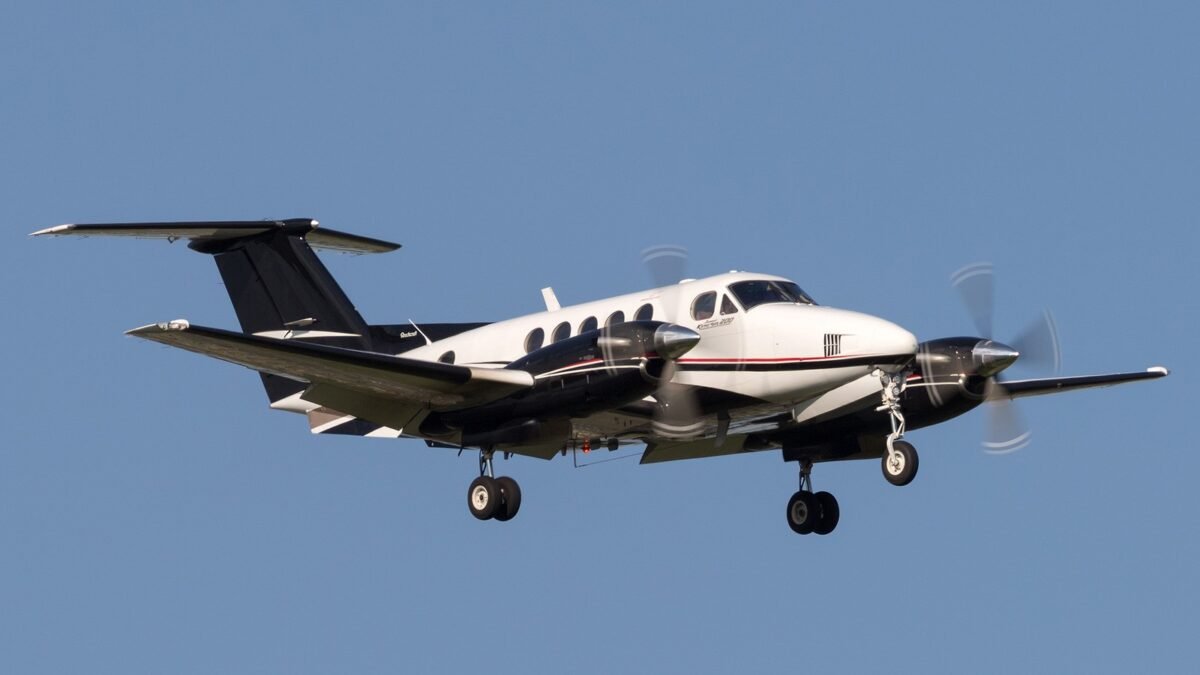
What is the King Air B200? The Beechcraft King Air B200 is a twin-engine turboprop aircraft built by Beechcraft (now part of Textron Aviation). Since entering production in 1981, it has become one of the best-selling business turboprops in the world, valued for its pressurised cabin, high-altitude performance, and ability to operate from shorter runways than comparable light jets.
At Safe Fly Aviation, we operate and source King Air B200-family aircraft for private charter, corporate travel, medical evacuation, and VIP transport. This guide covers the aircraft's history, verified performance specifications, avionics and cabin features, and how our charter and sales team can help you book or acquire one.
Evolution of the King Air B200 Family

The King Air B200 sits within a long-running family of twin-turboprops that has been continuously refined for over five decades. Here are the key milestones:
The original King Air 200 first flew in October 1972, was FAA certified in December 1973, and reached its first customers in February 1974 — establishing the pressurised, T-tail turboprop configuration the family still uses today.
The B200 entered production with higher-rated Pratt & Whitney Canada PT6A-42 engines (850 shp each), improving climb performance and high-altitude cruise over the original 200.
Unveiled at EBACE in Geneva and FAA-approved later that year, the B200GT upgraded to more powerful PT6A-52 engines, delivering faster climb and cruise performance than the standard B200.
The newest member of the family, the King Air 260, was unveiled in December 2020 and received FAA certification in March 2021, continuing the platform's evolution with refined avionics and cabin comfort.
Performance & Technical Specifications

| Category | Specification | Details |
|---|---|---|
| Performance | ||
| Maximum Cruise Speed | 290 kt | 538 km/h |
| Normal Cruise Speed | 283 kt | 524 km/h |
| Maximum Range (max fuel) | 1,580 nm | 2,926 km |
| Normal Range (with reserves) | 1,164 nm | 2,156 km |
| Takeoff Distance | 2,479 ft | 756 m |
| Service Ceiling | 35,000 ft | 10,668 m |
| Weights & Capacity | ||
| Maximum Takeoff Weight | 12,500 lb | 5,670 kg |
| Standard Seating | 2 crew + 6 pax | Higher-density cabins available |
| Powerplant | ||
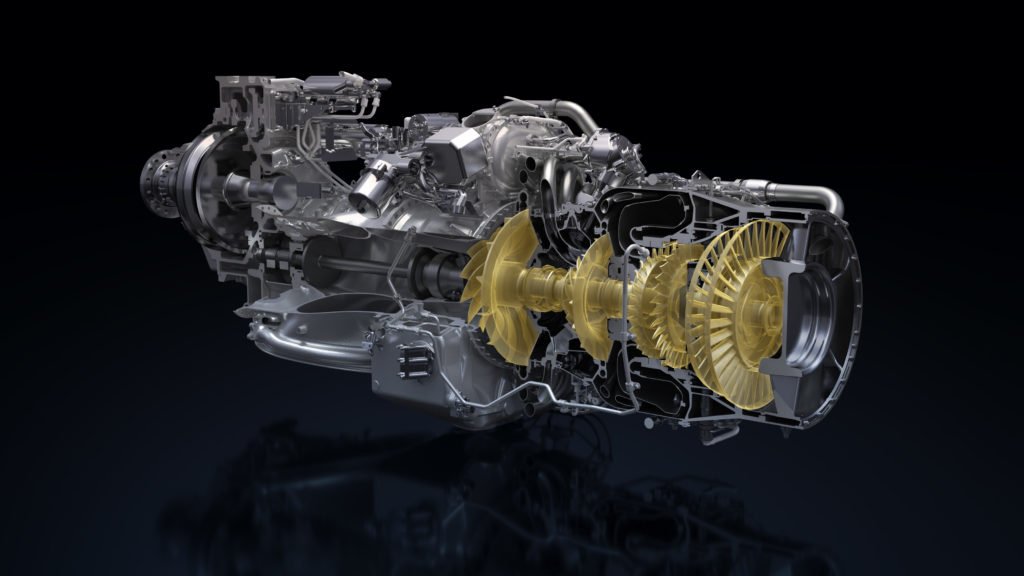
| Engine Model | 2× Pratt & Whitney Canada PT6A-42, 850 shp each | |
Specifications above are for the standard King Air B200 and are cross-checked against GlobalAir.com's B200 specification data. Figures are manufacturer-published performance data and can vary by equipment fit, weight, and operating conditions.
King Air B200 vs. Other Aircraft in Its Class
Buyers and charter clients often compare the King Air B200 against single-engine turboprops like the Pilatus PC-12 and entry-level light jets like the Cessna Citation Mustang. Here's how it generally stacks up:
Twin-Engine Redundancy
Unlike single-engine platforms such as the Pilatus PC-12, the B200's twin PT6A engines provide an added layer of redundancy valued by many charter operators and regulators for certain mission types.
High-Altitude Performance
A 35,000 ft service ceiling lets the B200 climb above much weather traffic and turbulence encountered by lower-flying turboprops.
Lower Operating Costs vs. Light Jets
Turboprop operating economics generally undercut light jets like the Citation Mustang on fuel burn and maintenance, while still offering pressurised, business-class travel.
Short-Field Capability
A takeoff distance of roughly 2,479 ft lets the B200 access shorter, less-developed runways that many light jets cannot use.
The right choice depends on mission profile, passenger count, and typical stage length — our charter and sales team can help you weigh these trade-offs for your specific requirements.
Modern Avionics & Cabin Comfort
Avionics

Specific avionics fit varies by individual aircraft and upgrade history: many King Air B200s still flying today have been retrofitted with modern glass-panel displays — commonly Garmin G1000 NXi or Rockwell Collins Pro Line Fusion, depending on the airframe's vintage and maintenance history — replacing the original analogue or early digital instrumentation. These upgrades typically add synthetic vision, integrated weather radar, and graphical flight planning, reducing pilot workload versus the aircraft's original factory avionics.
Cabin & Comfort

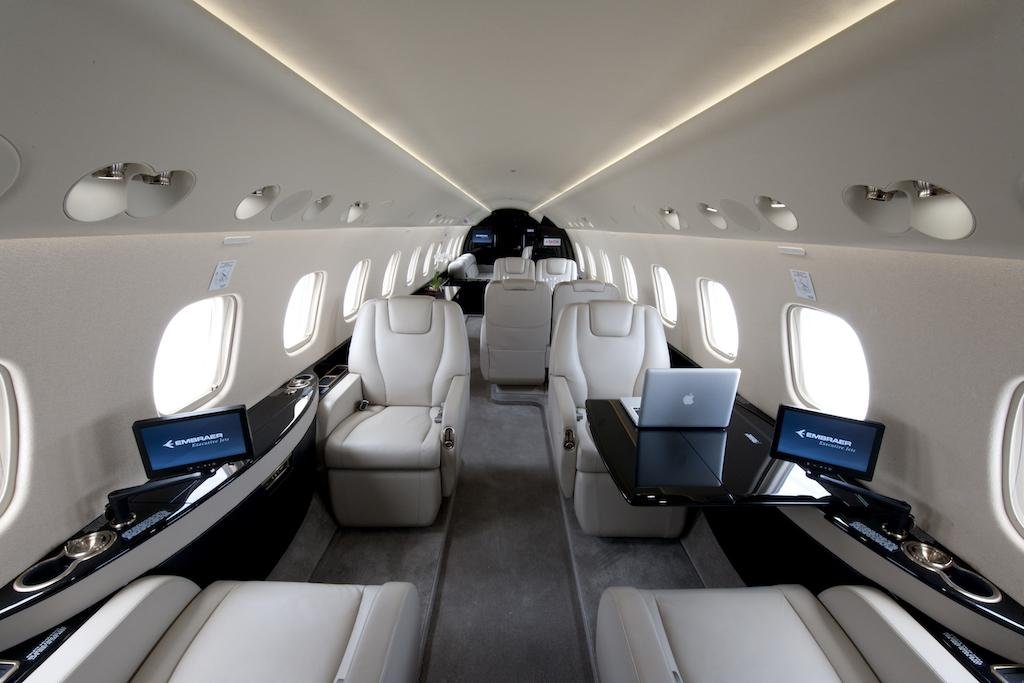
The pressurised cabin keeps altitude sickness and fatigue to a minimum on longer flights, and interiors are commonly configured with reclining club seating, a refreshment centre, and a private lavatory — features that make the B200 a practical choice for both business travel and longer leisure trips.
Why Choose Safe Fly Aviation
Whether you need to charter a King Air B200 for an upcoming trip or are exploring an acquisition, Safe Fly Aviation supports the full process from quote to delivery.
Private Charters
On-demand King Air B200 charter for business trips, group travel, and time-sensitive itineraries.
Aircraft Sales
Sourcing and brokering King Air-family aircraft for buyers worldwide, with configuration and inspection support.
Medical Evacuations
Air ambulance-configured charters for time-critical patient transport, with medical-team coordination.
Corporate Travel
Flexible scheduling and multi-city routing for executive and corporate travel programmes.
VIP Membership
Priority access and streamlined booking for frequent charter clients.
Global Operations
Charter and sales support across India, the Middle East, and international routes.
Book or Buy a King Air B200 with Safe Fly Aviation
From a single charter flight to a full aircraft acquisition, our team can help you move forward with confidence. Get in touch for a personalised quote.
Global: +91 98116 73015 · India: +91 7840 000 473
Email: info@safefly.aero
WhatsApp Our Charter TeamApplications of the King Air B200
Corporate Travel
Efficient point-to-point travel for executives, reaching airports too small for most jets.
Medical Evacuation
A pressurised cabin and reliable twin-engine performance suit air ambulance configurations.
Government & VIP Transport
Used by government and VIP operators for secure, flexible regional transport.
Leisure Travel
Comfortable club seating and a pressurised cabin make it a practical choice for private group trips.
Frequently Asked Questions
What is the difference between the King Air B200 and the B200GT, 250, and 260?
They're all part of the same evolving airframe family. The original B200 (1981) uses PT6A-42 engines rated at 850 shp. The B200GT (2007) and the King Air 250/260 that followed it use more powerful PT6A-52 engines, giving them faster cruise speeds and different range figures than the standard B200.
How fast does the King Air B200 fly?
The standard King Air B200 has a maximum cruise speed of around 290 knots (538 km/h), with a normal cruise speed of approximately 283 knots.
What is the range of the King Air B200?
With maximum fuel, the King Air B200 can fly up to approximately 1,580 nautical miles. With typical reserves, normal range is closer to 1,164 nautical miles.
How many passengers can the King Air B200 carry?
Standard configurations seat two crew plus six passengers in a club-seating layout, though some interiors are configured for higher passenger density depending on the operator.
What engines power the King Air B200?
Two Pratt & Whitney Canada PT6A-42 turboprop engines, each rated at 850 shaft horsepower.
Can Safe Fly Aviation arrange a King Air B200 charter or purchase?
Yes. Safe Fly Aviation offers King Air B200 charter services and can also assist with sourcing an aircraft for purchase, including configuration guidance and transaction support. Contact our team to discuss your requirements.
Related Safe Fly Aviation Resources
Sources: Performance specifications cross-checked against GlobalAir.com's King Air B200 specification data, with variant/timeline facts checked against Aviation Week's Textron Beechcraft overview and Wikipedia's Beechcraft Super King Air history, current as of 21 September 2026. Figures are manufacturer-published performance data and may vary by equipment fit and operating conditions; contact us for current availability and configuration options.
© 2026 Safe Fly Aviation — Informational purposes only. Contact info@safefly.aero for personalised consultation.
Updated 21 September 2026