King Air B250 – Specification, Features, and Price All You Want to Know

King Air 250: Complete Guide – Specs, Performance & Charter
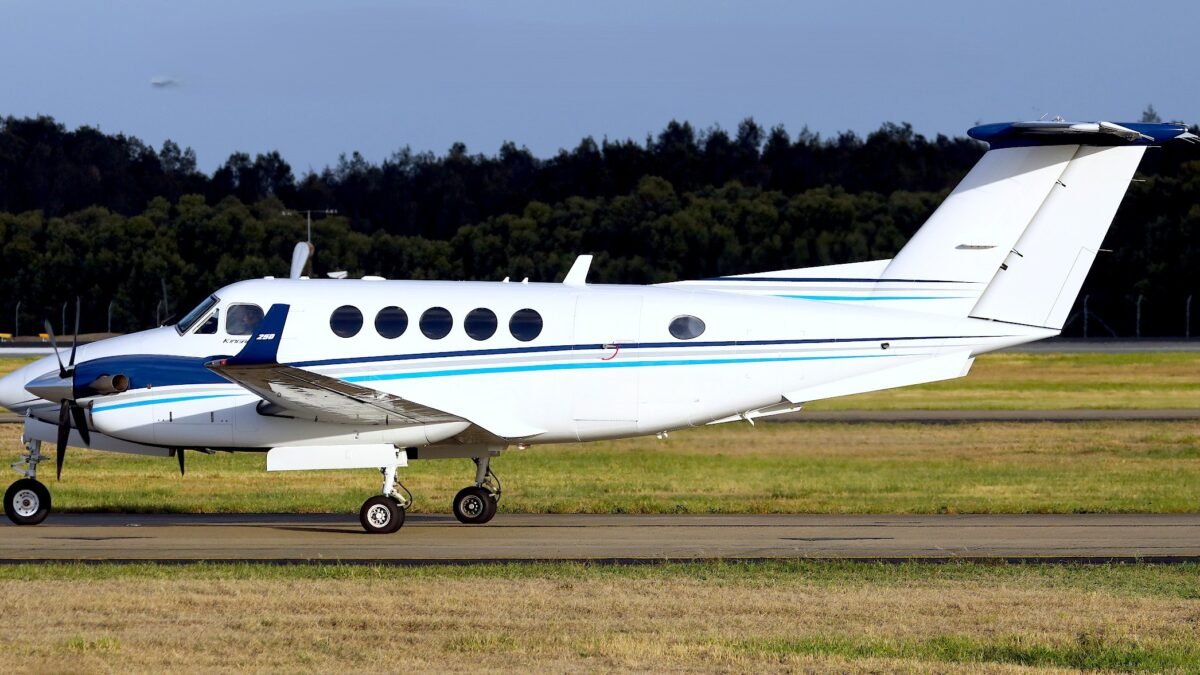
The Beechcraft King Air 250 is a twin-engine turboprop built by Textron Aviation, part of the King Air family that has been a trusted name in business aviation since the 1960s. Here's what it actually costs, what it can do, and how it compares — with every figure checked against manufacturer and broker sources.
The Beechcraft King Air 250 stands as a symbol of reliability, efficiency, and versatility in turboprop aviation. Manufactured by Textron Aviation, it's part of the iconic King Air 200 series — a family with roots stretching back to the original King Air 200 of the 1970s. This guide covers verified specifications, performance, avionics, cabin comfort, real operating costs, and charter availability through Safe Fly Aviation.
A note on the name: you may see this aircraft referred to elsewhere (including on this page's own web address) as the “King Air B250.” That isn't an official Textron/Beechcraft designation — it appears to be a mix-up with the King Air B200, an earlier, different model in the same family. The correct name is the King Air 250, and that's the name used consistently throughout this guide.
Overview of the King Air 250
The King Air 250 is a twin-engine turboprop designed for medium-range missions. It's widely used in corporate, charter, medevac, government, and utility roles thanks to its short-field capability, rugged construction, and ability to operate from unimproved runways.
Key highlight
The King Air 250 can take off in just 2,111 feet and land in 2,845 feet, making it well suited to remote and short runways worldwide.
Still in service, no longer in production
Textron replaced the King Air 250 in new-build production with the King Air 260, certified in March 2021. The 260 shares the same PT6A-52 engines and airframe but standardizes Pro Line Fusion avionics and adds an IS&S ThrustSense autothrottle and upgraded weather radar. The 250 remains in active service worldwide and is widely available pre-owned — the specifications and pricing in this guide describe the 250 unless noted otherwise.
Engine Specifications – Power That Performs
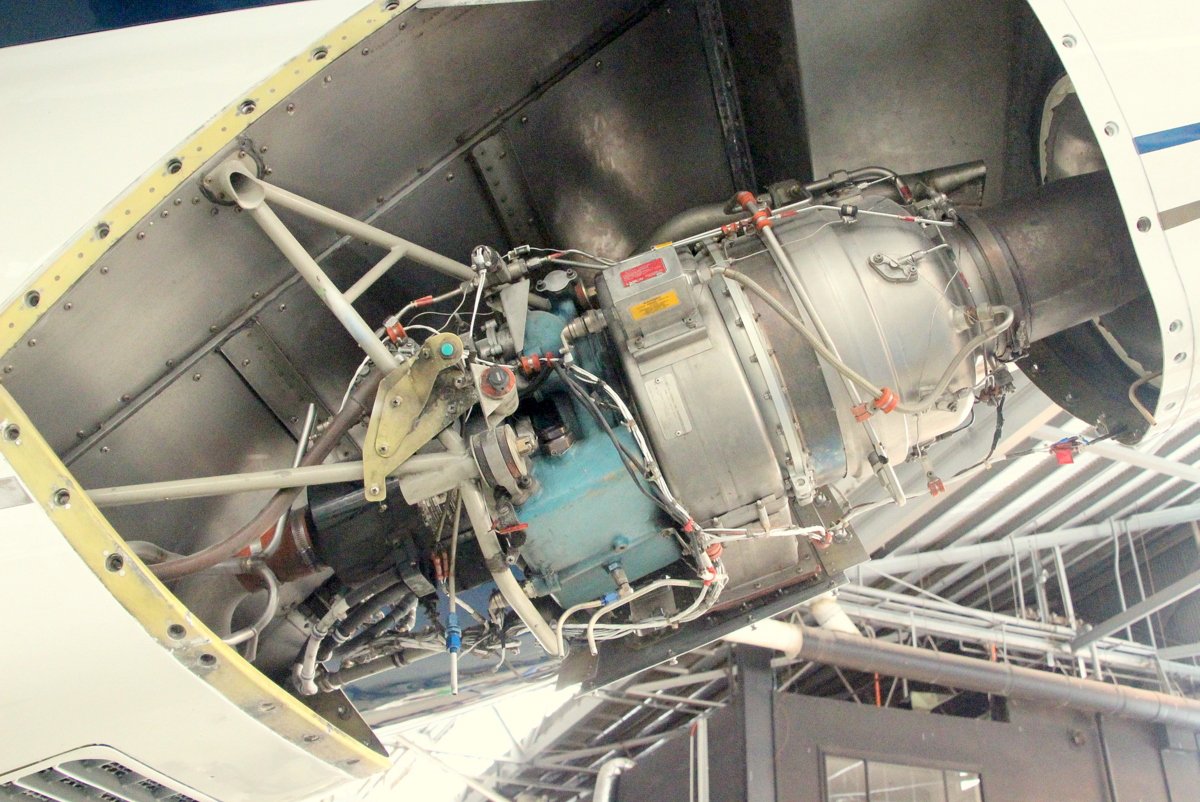
The King Air 250 is powered by two Pratt & Whitney Canada PT6A-52 turboprop engines — one of the most reliable engine families in aviation history.
Powerplant
- Engine type: Pratt & Whitney Canada PT6A-52
- Power: 850 SHP per engine (flat-rated)
- Propellers: 4-blade Hartzell composite propellers with automatic feathering and reverse thrust
Performance note
These engines deliver strong climb performance and good hot-and-high operation, making the 250 well suited to varied terrain and mission profiles.
Performance Metrics – Built for Demanding Operations
| Specification | Value |
|---|---|
| Max Cruise Speed | 310 KTAS (574 km/h) |
| Max Range (NBAA IFR reserves) | 1,720 NM (3,185 km) |
| Max Operating Altitude | 35,000 ft (10,668 m) |
| Takeoff Distance | 2,111 ft (644 m) |
| Landing Distance | 2,845 ft (867 m) |
| Climb Rate | 2,437 ft/min |
| Fuel Capacity | 3,645 lbs / 544 gal (1,653 kg) |
| Max Takeoff Weight | 12,500 lbs (5,670 kg) |
Source: Textron/Beechcraft official King Air 260 spec page (identical airframe, engine, and aerodynamic package to the 250), corroborated by AOPA and GlobalAir.
Its short takeoff and landing (STOL) capability, combined with pressurization and high-altitude performance, lets the 250 access thousands of airports worldwide, including many remote and high-altitude airstrips that light jets can't use.
Avionics Suite – The Cockpit of the Future
The King Air 250 comes standard with the Collins Aerospace Pro Line Fusion avionics suite (marketed under the Rockwell Collins name before Rockwell Collins became Collins Aerospace in 2018), giving pilots full situational awareness.
Avionics highlights
- Three 14-inch touchscreen displays
- Synthetic Vision System (SVS)
- Integrated Flight Management System (FMS)
- Engine Indication and Crew Alerting System (EICAS)
- WAAS/LPV approach capability
- Weather radar and TCAS II (optional)
- Dual GPS and VHF communication systems
Safety first
This suite reduces pilot workload and is compatible with modern airspace requirements. The King Air 260 adds an autothrottle and upgraded MultiScan weather radar on top of this baseline.
Cabin Comfort – Comfort in the Skies
Though the King Air 250 is a turboprop, its cabin rivals many light jets for comfort and functionality.
The cabin features premium leather seats, LED lighting, and soundproofing, with an enclosed aft lavatory and club seating rounding out the executive experience. Textron's own configuration data lists up to 9 total occupants (typically 7 passengers plus 2 crew) — not the higher figures sometimes quoted for this aircraft.

Applications and Versatility
The King Air 250 serves many purposes thanks to its rugged design, economical operation, and adaptable cabin configuration.

Global reach
Its ability to land on short, rough airstrips and operate in extreme conditions makes the King Air 250 a favorite in Africa, South America, and the Indian subcontinent.
Operating Costs and Ownership
The King Air 250 is known for lower direct operating costs than comparable light jets. Real-world figures depend heavily on how "operating cost" is scoped, so we've broken it out below rather than quoting a single number.
| Cost Category | Range |
|---|---|
| Direct/variable cost (fuel, maintenance reserves, engine program) | $1,600–$1,800/hr |
| All-in total cost (adds crew, insurance, hangar; ~450 hrs/yr basis) | $2,760–$3,460/hr |
| Annual maintenance reserves (engine + airframe only) | $93,000–$187,000/yr |
| Annual fixed ownership costs (crew, insurance, hangar, management) | $326,000–$476,000/yr |
| Typical acquisition cost (pre-owned) | $3.3M–$6.5M, by year/hours/avionics |
| New (King Air 260, current production) | ~$6.4M–$7M+ (2021–2023 list pricing) |
Why two operating-cost numbers
The original draft of this page quoted a single "$1,300–$1,600/hr" figure without saying what it covered. Sourced data (Aircraft Cost Calculator, GlobalAir, GuardianJet, LibertyJet) puts direct/variable cost — fuel, maintenance reserves, and engine program — closer to $1,600–$1,800/hr, while the all-in total including crew, insurance, and hangar runs $2,760–$3,460/hr at a 450-hour annual basis. The draft's "$300,000–$400,000 annual maintenance" figure similarly conflated maintenance-only reserves (a sourced $93K–$187K/yr) with total annual fixed ownership costs (a sourced $326K–$476K/yr). We've split both out here so the numbers are checkable against their sources.
Pre-owned pricing was also widened from the original draft's $3.5M–$5M to $3.3M–$6.5M, reflecting the real spread seen across AvBuyer, Controller.com, and JETNET listings by year and hours. The new-aircraft figure describes the current-production King Air 260 (the 250 is no longer sold new) and is based on 2021–2023 list pricing — confirm current pricing directly with Textron or an authorized dealer before quoting it to a client.
Excellent resale value and strong factory fleet support from Textron Aviation make the King Air 250 a durable investment for operators, even well into its pre-owned life.
Charter the King Air 250 with Safe Fly Aviation
Safe Fly Aviation offers King Air 250 charter services for business, leisure, medical evacuation, and cargo transport. Whether you're flying to a metropolitan hub or a remote destination, the King Air 250 delivers safety, speed, and comfort.
- Short-notice availability
- Access to remote and hill destinations
- Comfort at competitive charter rates
- Custom travel planning and VIP handling
Related Safe Fly Aviation Services
Further reading on King Air variants and Safe Fly Aviation's services
Book a Charter
Experience the King Air 250 – Book Your Charter Today
Get in touch with Safe Fly Aviation to request a King Air 250 quote or discuss availability for your route.
Frequently Asked Questions
Is "King Air B250" a real designation?
No. The correct name is the King Air 250. "B250" doesn't appear in any Textron/Beechcraft manufacturer material and appears to be a mix-up with the King Air B200, an earlier, different model in the same family.
What engine does the King Air 250 use, and how powerful is it?
Two Pratt & Whitney Canada PT6A-52 turboprop engines, flat-rated at 850 SHP each.
What is the range and cruise speed of the King Air 250?
Maximum range is 1,720 nautical miles with NBAA IFR reserves, and maximum cruise speed is 310 KTAS (about 574 km/h), per Textron's own published specifications.
How many passengers does the King Air 250 seat?
Textron's own configuration data lists up to 9 total occupants, typically 7 passengers plus 2 crew — not the higher seat counts sometimes quoted for this aircraft.
Is the King Air 250 still in production?
No. Textron replaced it in new-build production with the King Air 260, certified in March 2021. The 250 remains in active service and is widely available pre-owned.
What does it cost to operate a King Air 250 per hour?
Direct/variable cost (fuel, maintenance reserves, engine program) runs roughly $1,600–$1,800/hr. Once fixed costs like crew, insurance, and hangar are included, the all-in total is closer to $2,760–$3,460/hr at a typical 450-hour annual utilization.
Research Methodology & Correction Log
This guide was rebuilt in September 2026 from the original December 2025 draft. Specifications were verified directly against Textron/Beechcraft's own King Air 260 spec page (which shares the 250's airframe, engines, and aerodynamic package), corroborated by AOPA and GlobalAir. Operating costs are sourced from Aircraft Cost Calculator, GlobalAir, GuardianJet, and LibertyJet.
Corrections made from the original draft: the aircraft's name corrected from the non-existent "King Air B250" to the real "King Air 250" throughout the body copy (the page's existing web address was kept unchanged); fuel capacity corrected from 3,611 lbs to 3,645 lbs; climb rate corrected to the manufacturer's 2,437 ft/min; seating corrected from "up to 11" to the manufacturer's stated maximum of 9 occupants; avionics attribution updated from "Rockwell Collins" to "Collins Aerospace" (the supplier's current name); pre-owned pricing widened from $3.5M–$5M to a sourced $3.3M–$6.5M range; the single "$1,300–$1,600/hr operating cost" and "$300,000–$400,000 annual maintenance" figures replaced with separately sourced direct-cost, all-in-cost, maintenance-only, and fixed-ownership-cost figures; the contact email corrected from fly@safefly.aero to info@safefly.aero (Safe Fly Aviation's published organization email); and the malformed website link and www subdomain reference corrected to the working bare domain.
© 2026 Safe Fly Aviation. All rights reserved. Safe Fly Aviation is an aircraft charter brokerage and aviation advisory company; flights are arranged through licensed third-party operators. Specifications and performance data are based on manufacturer information and may vary by configuration, conditions, and other factors. This guide is provided for informational purposes only and is not financial or investment advice.