
How to Buy an Aircraft in 2026: Complete Guide | Safe Fly
How to Buy an Aircraft in 2026 – Complete Acquisition Guide
From selection and financing to inspection, registration, and delivery — your comprehensive step-by-step guide to purchasing an aircraft in today's dynamic market.
Last Updated: September 2026
In 2026, the private aviation market continues its robust growth trajectory. The global private aircraft market is valued at approximately $31.9 billion, with projections to reach $41.38 billion by 2030 at a CAGR of around 6.7% (Source: The Business Research Company, Private Aircraft Global Market Report 2026). Business jet segments show similar strength, with the market estimated at roughly $83.4 billion in 2026 and projected to reach $113.4 billion by 2030 at a CAGR of about 7.9% (Source: Grand View Research, Business Jet Market Analysis). Rising high-net-worth individuals (HNWIs), demand for flexible business travel, advancements in efficient and sustainable aircraft, and expanding infrastructure in emerging markets drive this expansion.
Whether you're a first-time buyer seeking a piston-engine trainer, a seasoned pilot upgrading to a turboprop for regional operations, or a corporation eyeing a light or midsize jet for global reach, purchasing an aircraft is a significant investment requiring careful planning. This comprehensive guide covers every major step: aircraft selection, financing, inspection, registration, closing, and delivery. It is tailored for a global audience, addressing considerations in the US (FAA), Europe (EASA), and international contexts.
✈️ At Safe Fly Aviation, we specialize in aircraft acquisition as part of our mission-critical aviation services across 60+ countries. Our expertise ensures safe, efficient transactions. For personalized guidance, contact us for a free aircraft acquisition consultation at info@safefly.aero or +91 78400 00473.
1. Aircraft Selection: Defining Your Needs
The first and most critical step is aligning the aircraft with your mission, budget, and operational realities. In 2026, buyers benefit from a balanced market with strong pre-owned inventory and new models incorporating sustainable aviation fuel (SAF) compatibility, advanced avionics, and improved efficiency.
Key Factors to Consider
- Mission Profile: Short hops (light sport or piston like Cessna 172/182), regional business (turboprops like Pilatus PC-12 or light jets like Embraer Phenom 300E), or long-range (midsize/large jets like Gulfstream G280 or Bombardier Challenger series).
- New vs. Pre-Owned: New aircraft offer warranties and latest tech but higher costs. Pre-owned provide value; a well-maintained 5-10 year old model can save significantly.
- Budgeting Total Ownership: Purchase price is only the start. Annual operating costs include fuel, maintenance, insurance, hangar, and crew.
Best Aircraft by Budget
| Budget Range | Recommended Aircraft |
|---|---|
| Under $500,000 | Cessna 172, Piper Archer, Beechcraft Bonanza |
| $500K – $2 Million | Cirrus SR22, TBM 850, King Air C90 |
| $2M – $10 Million | King Air 250, Citation CJ3+, Phenom 300, Learjet 45 |
| $10M – $30 Million | Challenger 350, Gulfstream G280, Global 5000 |
| $30M+ | Global 7500, Gulfstream G700, ACJ / BBJ |
Popular Models in the Market
Beyond the budget tiers above, a handful of models come up repeatedly in buyer searches for their combination of range, cabin comfort, and resale strength. Two worth knowing — related to, but distinct from, the Challenger 350 and Phenom 300E referenced in the tables on this page:
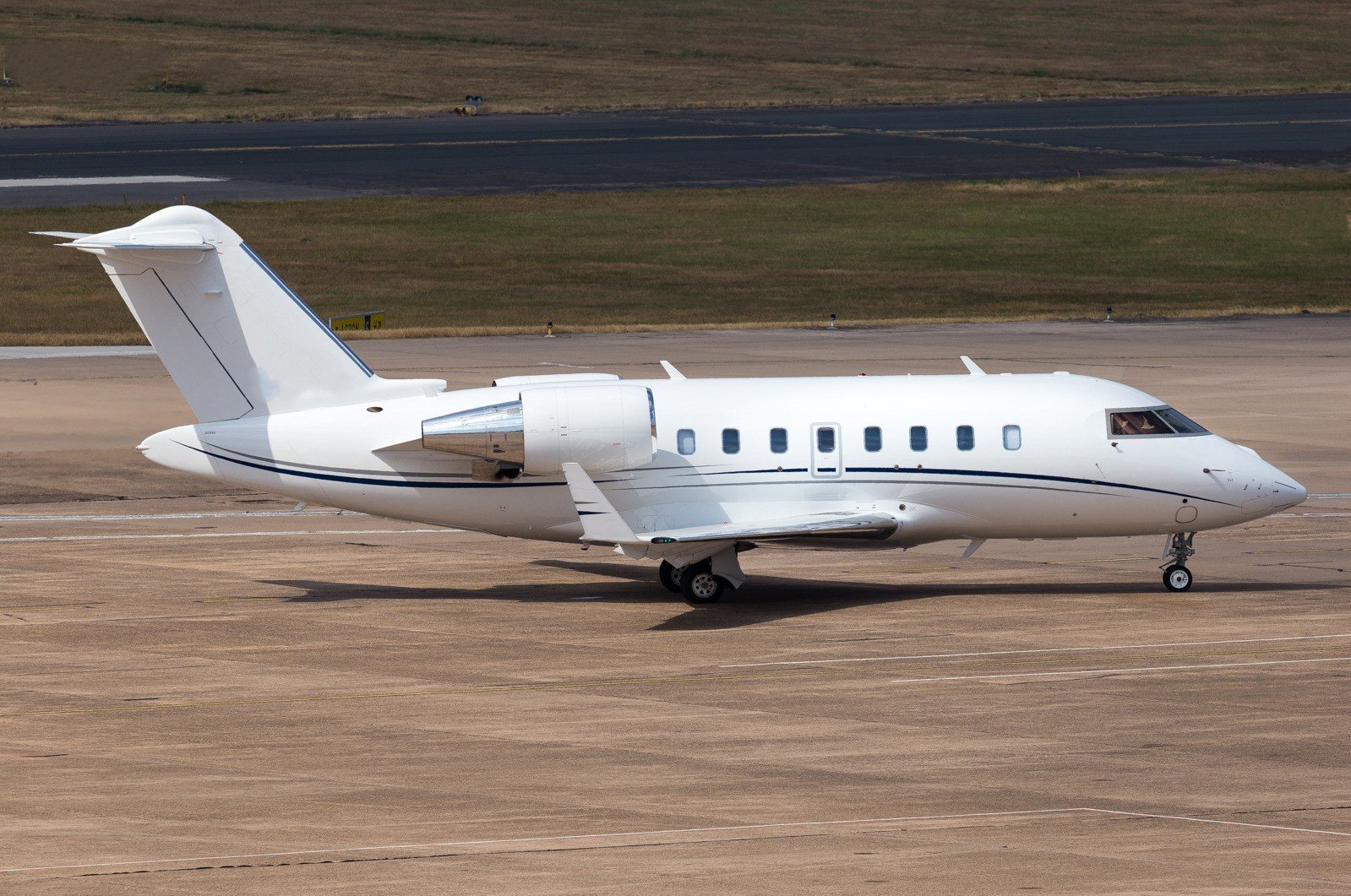
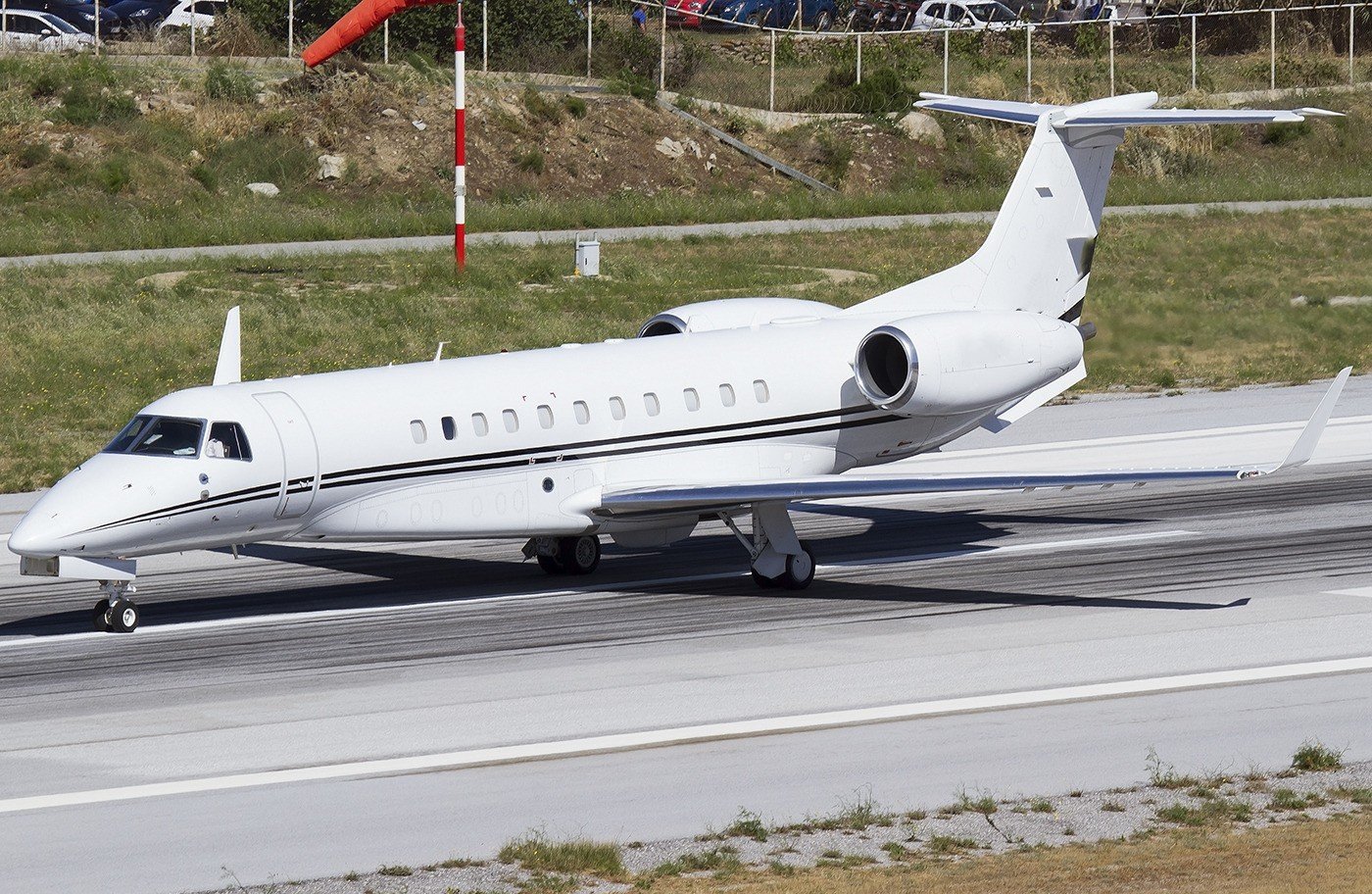
Pro Tip: Work with a trusted broker or advisor like Safe Fly Aviation to access global listings and avoid mismatches.
What About Helicopters?
This guide focuses on fixed-wing acquisition, but rotorcraft belong in the same mission-planning conversation for buyers who need point-to-point access without a runway — executive shuttle, offshore support, or last-mile connectivity to an airport-served jet.
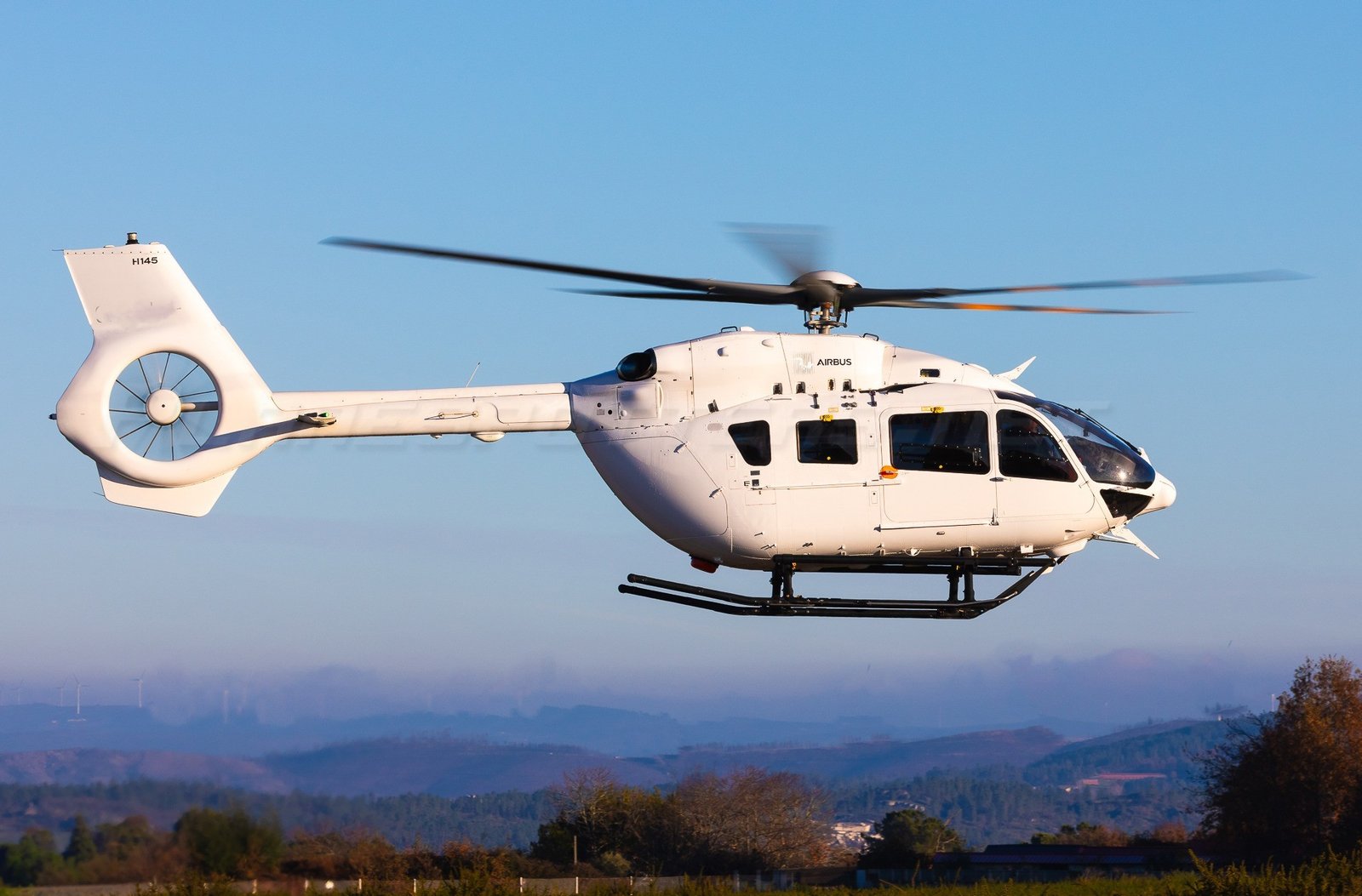
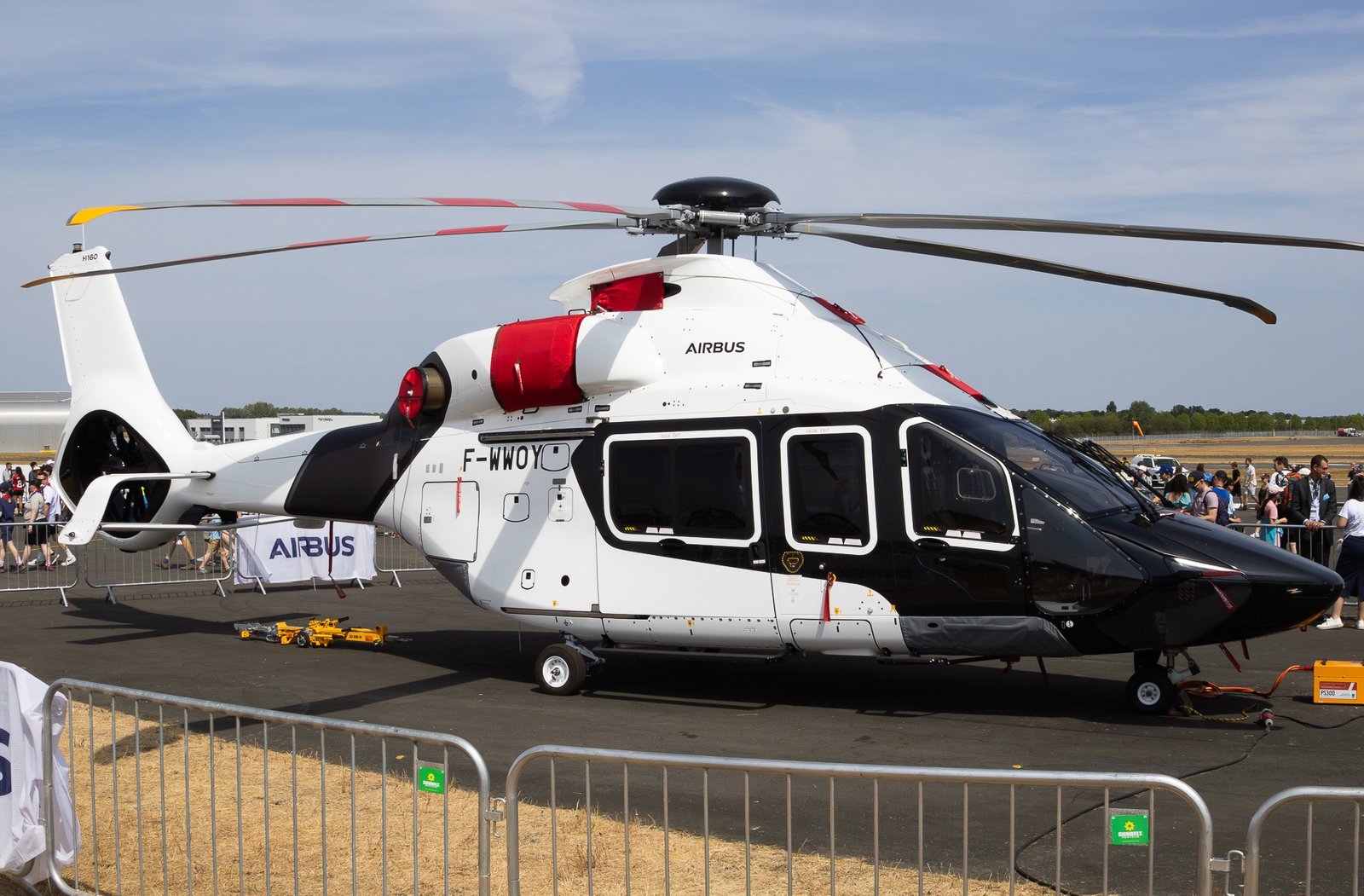
Safe Fly Aviation's acquisition and brokerage process applies the same way to helicopters — see our helicopter charter and acquisition services for details.
Aircraft Market Growth 2024–2030
Global private aircraft market valuation (USD billions):
Source: The Business Research Company, Private Aircraft Global Market Report 2026
Aircraft Purchase & Ownership Cost Guide 2026
Typical Purchase Prices (USD)
| Aircraft Type | Purchase Price Range |
|---|---|
| Cessna 172 (used) | $150,000 – $400,000 |
| Cirrus SR22 | $400,000 – $1.2M |
| King Air 250 | $3M – $8M |
| Phenom 300E | $8M – $12M |
| Challenger 350 | $15M – $30M |
| Global 7500 | $45M – $80M |
Annual Ownership Costs (Estimated)
| Aircraft Type | Annual Cost |
|---|---|
| SR22 | $40,000 – $80,000 |
| King Air 250 | $300,000 – $600,000 |
| Phenom 300 | $800,000 – $1.4M |
| Challenger 350 | $1.5M – $2.5M |
Top Aircraft Retaining Value in 2026
| Aircraft | Value Retention |
|---|---|
| Pilatus PC-12 | Excellent |
| King Air 250 | Excellent |
| Cirrus SR22 | Excellent |
| Phenom 300 | Very Strong |
| Challenger 350 | Strong |
* Estimates vary based on utilization, location, and maintenance programs.
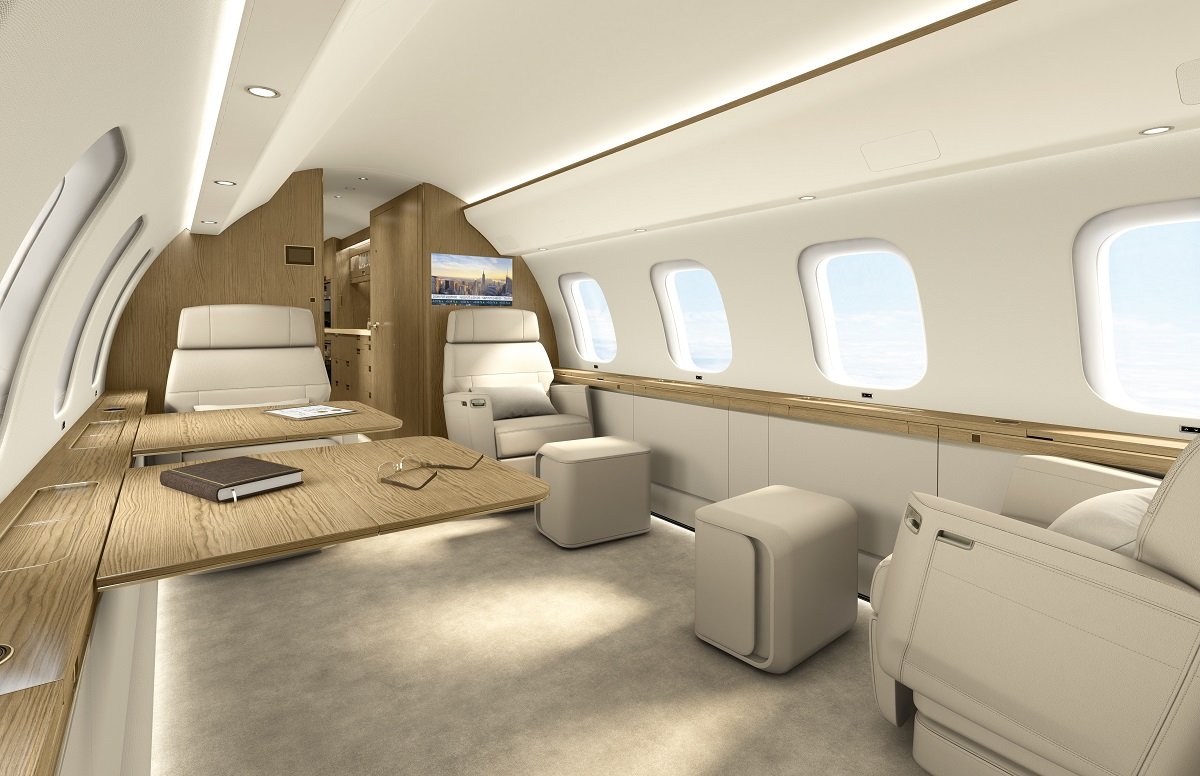
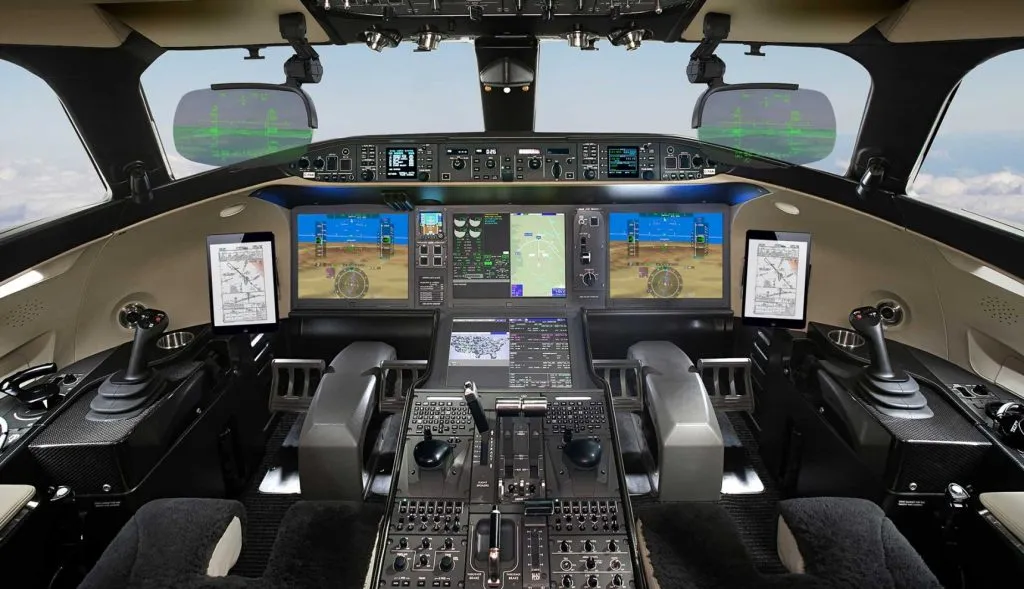
Inside the $30M+ Tier
At the top of the market, cabin comfort and cockpit technology become the differentiators. The Bombardier Global 7500 — the aircraft referenced in the $30M+ row above — illustrates what that tier buys:
2. Financing Options: Making Ownership Accessible
Financing is a cornerstone for most buyers. In 2026, lenders offer competitive terms amid steady demand, though rates depend on credit, aircraft age/type, and economic factors (typically in the 6.5%–9% range, with well-qualified turboprop and jet buyers seeing rates starting around 6.8–6.9%).
Main Financing Structures
- Term Loans/Debt: Most common. Down payment 15-30%, terms 5-20 years. Loan-to-value (LTV) 60-80%.
- Leases (Operating or Tax): Preserve capital; ideal for corporations.
- Asset-Based Loans: Less documentation-heavy; focus on aircraft value.
- Fractional/Shared Ownership: Lower entry for high utilization.
Learn more about aircraft financing options from Safe Fly Aviation.
Typical Aircraft Acquisition Timeline
Understanding the timeline helps set expectations and plan your purchase effectively.
Total: 30 – 90 Days
3. Pre-Purchase Inspection (PPI): Protecting Your Investment
Never skip a thorough PPI—it's your safeguard against hidden issues. Costs vary ($500–few thousand for pistons; more for jets) but pale compared to post-purchase surprises.
What a Comprehensive PPI Includes
- Records Review: Logbooks, maintenance history, AD compliance, damage history, engine times (TBO), avionics.
- Physical Inspection: Airframe (corrosion, cracks), engine/prop, landing gear, systems.
- Test Flights: Functional checks.
- Additional: Borescope, oil analysis, etc.
Safe Fly Aviation coordinates pre-purchase inspections through our global network of vetted inspectors.
Aircraft Buying Checklist
📥 Request the Complete Aircraft Acquisition Toolkit
Includes buyer checklist, cost calculator, financing guide, and PPI checklist. Tell us where to send it and an advisor will follow up directly.
Request the Free Toolkit🔒 No spam. Unsubscribe anytime.
4. Registration: Navigating Regulatory Requirements
- FAA (US): Submit via Aircraft Registry. Requires Bill of Sale, Application, proof of citizenship. Non-US citizens often use non-citizen trusts. Processing ~2-4 weeks.
- EASA/Europe: Involves national authorities; type acceptance, noise certificates, environmental compliance.
- International: Deregister from origin registry first. Cape Town Convention/International Registry for interests (liens).
Key Prep: Clear title (title search via escrow), lien releases, insurance in place. Global buyers: Factor VAT, import duties, and operational approvals.
Safe Fly Aviation provides aircraft registration assistance worldwide.
Case Study: Challenger 350 Acquisition
Client: Middle East-based private office (anonymized)
Aircraft: Bombardier Challenger 350 (2019 model)
Challenge: Client required a late-model Challenger 350 with low cycles, full maintenance program, and delivery within 45 days.
Solution: Safe Fly Aviation sourced three candidate aircraft, coordinated independent PPI, managed escrow and title search, and arranged ferry delivery with customs clearance.
Result: Aircraft delivered on time and under budget. Client now operates the aircraft for regional business travel with charter rights.
— "Safe Fly Aviation made the acquisition process seamless. Their global network and attention to detail were exceptional."
* Client details anonymized for confidentiality. Illustrative case study based on typical acquisition scenarios.
Top 10 Aircraft Buying Mistakes to Avoid
5. Closing & Delivery: Securing and Taking Possession
Closing Process
- LOI/Purchase Agreement: Outline price, contingencies (inspection, title), deposit (5-10%).
- Escrow Setup: Deposit held; title/records search ordered.
- Due Diligence Completion: PPI acceptance, financing.
- Closing Day: Buyer funds, seller provides Bill of Sale/lien releases.
Delivery
- Location: Often at seller's base or MRO post-inspection/repairs.
- Final Walkthrough: Verify condition, inventory, ferry permits.
- Documentation Handover: Logs, manuals, keys, certificates.
Safe Fly Aviation supports seamless delivery and ongoing operations.
Why Trust Safe Fly Aviation for Your Aircraft Acquisition?
Trusted aircraft acquisition specialists
Global network and local expertise
Access to extensive global inventory
Selection, PPI, financing, registration
Multi-jurisdictional regulatory expertise
Supporting private, corporate, and special missions
Post-Purchase Essentials & Ongoing Ownership
- Insurance: Liability and hull coverage immediately.
- Maintenance Programs: Enroll in manufacturer plans for predictability.
- Tax/Depreciation: Consult experts (Section 179 in US, etc.).
- Operations: Hangar, crew, scheduling. Consider aircraft management or charter to offset costs.
- Sustainability: Explore SAF and efficient ops.
Frequently Asked Questions About Buying an Aircraft
How much does it cost to buy an aircraft in 2026?
Aircraft prices range from $150,000 for a used Cessna 172 to over $80 million for a new Global 7500. Annual operating costs vary from $40,000 for a piston single to $2.5M+ for a large business jet.
What credit score is required for aircraft financing?
Most aviation lenders prefer a credit score of 700 or higher. Some lenders may consider scores as low as 650 with larger down payments or collateral.
What is a pre-purchase inspection (PPI)?
A PPI is a comprehensive inspection of the aircraft by an independent mechanic or MRO. It includes records review, physical inspection, test flights, and specialized tests like borescope and oil analysis.
How long does it take to buy an aircraft?
The typical aircraft acquisition timeline is 30 to 90 days, depending on financing, inspection, registration, and delivery logistics.
Can foreigners register an aircraft in the USA?
Yes, non-US citizens can register aircraft in the USA through a non-citizen trust, which holds legal title while the buyer retains beneficial ownership.
Should I buy new or pre-owned?
New aircraft offer warranties and latest technology. Pre-owned provide better value and can save significantly while retaining strong resale value.
What is aircraft escrow?
Aircraft escrow is a neutral third-party service that holds funds and documents during the transaction. Funds are released only when all conditions are satisfied.
Can I charter my aircraft after purchase?
Yes, many owners place their aircraft on charter programs to offset operating costs, requiring appropriate insurance and operational approvals.
What aircraft has the lowest operating cost?
Among certified aircraft, piston singles like the Cessna 172 have the lowest operating costs. Turboprops like the King Air offer excellent cost efficiency compared to jets.
What documents are required to buy an aircraft?
Key documents include the Purchase Agreement, Bill of Sale, Registration Application, Escrow Instructions, Title Search Report, and Insurance Certificate.
What aircraft holds its value best?
Popular models like the Cessna 172, Cirrus SR22, King Air 250, and Phenom 300 demonstrate strong resale values due to strong support networks.
Can I finance a used aircraft?
Yes, most aviation lenders finance used aircraft. Terms may vary based on age, condition, and maintenance history.
What is the best aircraft for first-time buyers?
The Cessna 172 and Cirrus SR22 are excellent choices for first-time buyers, offering reliability, strong support networks, and reasonable operating costs.
How do I find aircraft for sale?
Private aircraft are listed on platforms like Controller.com and Trade-A-Plane. A reputable broker like Safe Fly Aviation provides access to private listings and off-market opportunities.
Do I need a lawyer to buy an aircraft?
While not mandatory, legal counsel experienced in aviation transactions is highly recommended to review contracts and ensure regulatory compliance.
Aircraft Acquisition Process at a Glance
| Step | Action |
|---|---|
| 1 | Define Mission & Budget |
| 2 | Secure Financing Pre-Approval |
| 3 | Select the Right Aircraft |
| 4 | Conduct Pre-Purchase Inspection |
| 5 | Complete Escrow & Closing |
| 6 | Register the Aircraft |
| 7 | Take Delivery & Begin Operations |
Start Your Aircraft Acquisition Journey Today
Whether you're ready to buy or just exploring your options, our experienced acquisition team is here to guide you through every step. From selection and financing to inspection and delivery — we simplify the process.
🔒 Your information is secure and will only be used for acquisition advisory purposes.