What to Look for When Valuing an Aircraft Engine
Aircraft Engine Valuation
LLPs, TBO & Market Factors
Why engine valuation matters
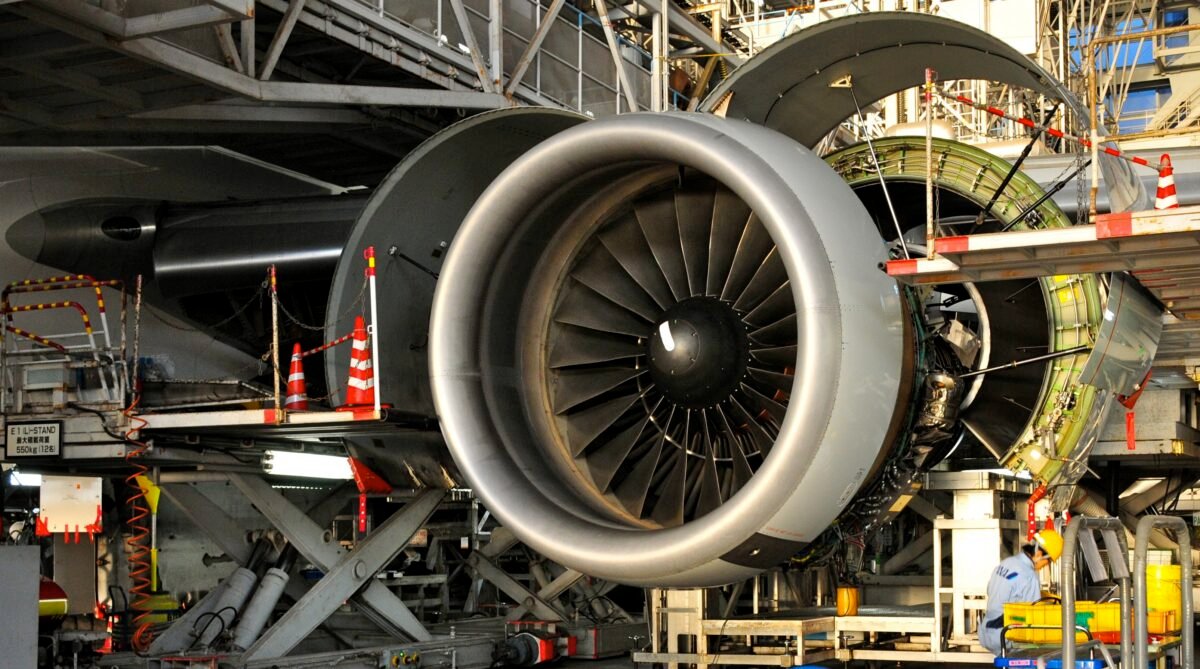
Aircraft engines typically account for 30-50% of total aircraft value — and up to 60% for older airframes. Engine condition directly impacts resale value, financing terms, and insurance premiums. According to VREF, engine condition — verified through maintenance records, logbook reviews, and borescope inspections — is central to determining market value.
Engine type comparison & key specifications
| Engine type | Examples | TBO (hours) | Key metric | Relative value |
|---|---|---|---|---|
| Piston (General Aviation) | Lycoming O-360, Continental IO-520 | 1,800-2,000 | 180-300 HP | £15k-£40k |
| Turboprop | Pratt & Whitney PT6A, GE H80 | 3,600-5,000 | 550-1,800 SHP | £200k-£800k |
| Business Jet (Midsize) | CF34-3B, Honeywell HTF7000 | 4,000-6,000 | 6,000-8,700 lbs thrust | £800k-£2.5M |
| Ultra-Long-Range Jet | Rolls-Royce BR725, GE Passport | 6,000-8,000 | 14,000-18,000 lbs thrust | £2.5M-£5M+ |
Life-Limited Parts (LLPs): The critical value driver
LLPs — turbine disks, blades, compressor wheels, high-pressure turbine modules — have defined cycle limits (typically 10,000-20,000 cycles). An engine with 80% of LLP life remaining may command a 40% premium over one with only 20% remaining.
LLP replacement costs: For CF34-3B (Challenger 600 series): $500,000-$750,000. For Rolls-Royce BR725 (G650ER): $1.2M-$1.8M. For GE90 (widebody commercial): exceeding $2.5M. Engines with LLPs nearing limits require significant near-term capital expenditure, substantially reducing market value.
Maintenance history & time since overhaul
Time Since Major Overhaul (TSOH) relative to TBO creates a predictable depreciation curve. An engine at 200 hours TSOH (10% of TBO) may retain 90-95% of base value. An engine at 1,600 hours TSOH (80% of TBO) may drop to 50-60% of base value due to impending overhaul.
Logbook completeness is equally critical. Missing records typically reduce value by 10-20%. AD/SB compliance verification is mandatory for any professional valuation.
Market trends & demand factors
High demand — 40% of turboprop market
Excellent parts availability
Peak demand (737NG fleet)
LLP tracking critical
Stable value (Global 6000/650)
CorporateCare enrollment premium
SAF compatibility is increasingly valued. Engines certified for sustainable aviation fuels (SAF up to 50% blend) command 5-10% premium in forward-looking valuations. Economic cycles affect demand for high-time vs. low-time engines.
Operational environment & usage impact
High cycle counts vs. flight hours (short-haul operations) accelerate LLP depletion. A 2,000-hour engine with 8,000 cycles is significantly less valuable than a 2,000-hour engine with 2,000 cycles.
Professional inspection & appraisal standards
- Borescope inspection — Reveals internal blade condition, hot section damage
- Compression test (piston) — Cylinder health assessment
- Oil analysis (spectrometry) — Detects metal particulate from bearing wear
- Logbook forensic review — AD/SB compliance, LLP tracking accuracy
- Test run or ferry flight — Operational verification for high-value engines
SafeFly Aviation engages NAAA-accredited and VREF-approved appraisers for independent valuations. Our technical desk provides pre-purchase engine assessments, lease-return inspections, and financing support.
Aircraft engine valuation: technical FAQ
TBO (Time Between Overhaul) is a recommended calendar or hour limit for engine teardown. LLP limits are mandatory cycle-based replacement requirements, regulated by FAA/EASA, with no extension permitted.
Engines enrolled in Rolls-Royce CorporateCare, Pratt & Whitney ESP, or GE OnPoint typically command 10-20% premium due to predictable future maintenance costs and transferability.
Complete logbooks from new, LLP tracking sheet, AD/SB compliance records, 8130-3 tags for major components, and damage repair documentation.
Premature overhauls without operational necessity may not add proportional value. Market focuses on time remaining to TBO and LLP cycles, not calendar-based shop visits.
Related technical resources
Need an independent engine appraisal?
Our technical team delivers accredited valuations for acquisition, financing, insurance, or disposition.
📞 Technical desk: +91 78400 00473 | NBAA BAOA Member
SafeFly Aviation — aircraft acquisition, technical appraisal, and aviation intelligence since 2009.