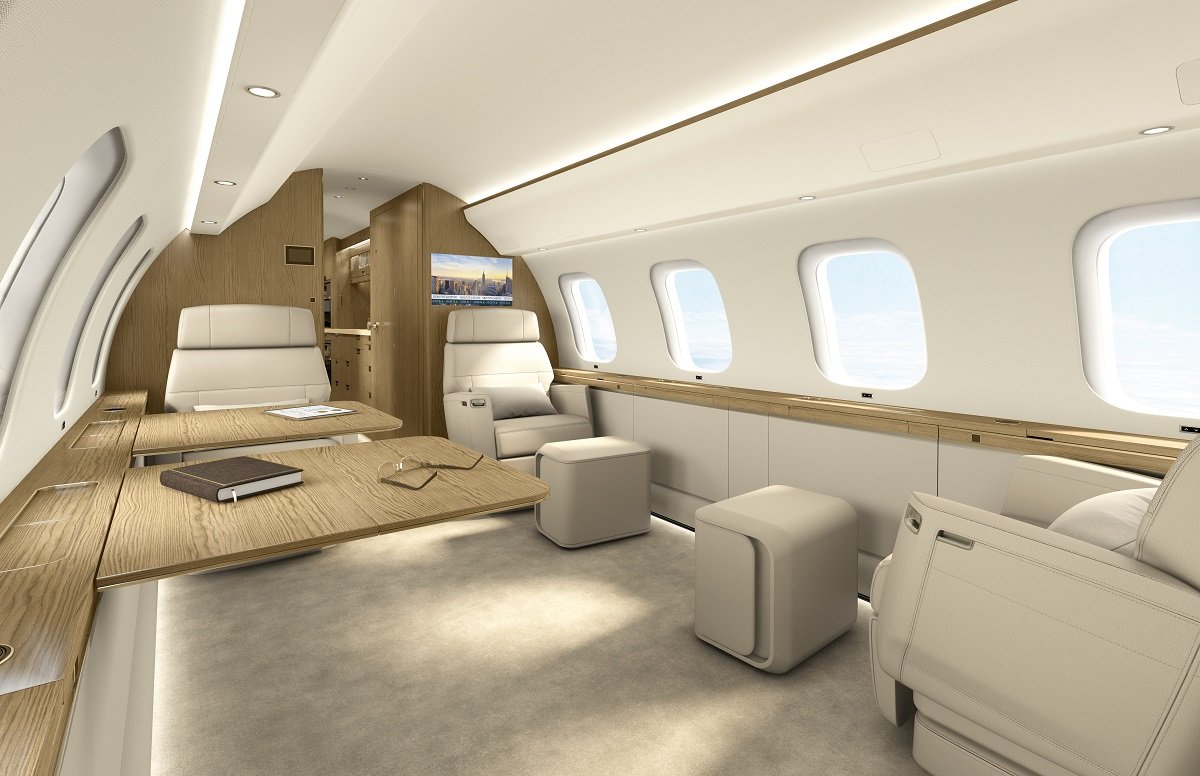
Market Analysis of Entry-Level Private Jets and Turboprops 2026

Market Analysis of Entry-Level Private Jets and Turboprops
A data-driven, independently fact-checked comparison of five entry-level aircraft — pricing, real operating costs, and cost-per-mile efficiency — to help you make an informed acquisition decision.
The entry-level private aircraft market offers more accessible paths into private aviation than ever before. This analysis compares five popular entry-level models — the Cirrus Vision SF50 G2, HondaJet Elite II, Embraer Phenom 100EV, Eclipse 550, and Pilatus PC-12 NGX (turboprop) — on purchase price, real operating costs, and cost-per-mile efficiency, using figures verified directly against manufacturer specifications and independent aircraft-cost-modeling sources rather than unsourced estimates.
This piece was updated in September 2026 to correct several figures from the original 2025 draft, including a cost-efficiency ranking that didn't hold up under recalculation — see the Research Methodology section for the full accounting of what changed and why.
Market Trends and Growth
Private aviation continues to broaden its customer base beyond traditional ultra-high-net-worth buyers, driven by post-pandemic demand for travel flexibility, more efficient entry-level aircraft, and alternative ownership models like fractional programs and card-based charter. Several factors are shaping this growth:
- Pandemic-driven demand shift: The COVID-19 pandemic introduced a wave of first-time users to private aviation seeking health safety and travel flexibility, and much of that demand has proven durable.
- Technological advancements: Newer aircraft models offer improved efficiency, reduced operating costs, and enhanced safety and avionics features versus their predecessors.
- Broadening customer base: More accessible entry-level options have expanded the potential buyer pool beyond traditional UHNW individuals to business owners and executives.
- Fractional ownership and charter alternatives: Alternative ownership models have reduced the barrier to entry for occasional private flyers who don't need full ownership.
Private Jet Market Size, 2025–2030 (USD Billion)
One representative growth trajectory, built from The Business Research Company's published 2025/2030 estimates and CAGR
Source: The Business Research Company, Global Private Jet Market Report 2025 (~5.8% CAGR, 2025–2030). Intermediate years are interpolated at a constant CAGR for illustration.
Market-size estimates for private aviation vary substantially by research firm, largely because they define "the market" differently — some cover new-aircraft OEM sales only, others fold in MRO, charter, and fleet-management revenue. The chart below shows four independent 2025 estimates side by side so you can see the spread:
Private Jet Market Size Estimates by Research Firm
Figures aren't directly comparable — each firm scopes "the market" differently
Sources: The Business Research Company, Fortune Business Insights, Grand View Research, Market.us — all figures are each firm's own published headline 2024 or 2025 private/business jet market-size estimate.
A note on entry-level market share
The original version of this article stated that Very Light Jets and Light Jets "represent approximately 42% of the private jet market in 2025." We could not verify this figure against any published research and have removed it. One estimate we did find — Verified Market Reports — sizes the combined VLJ+LJ segment at roughly $3.2 billion in 2025, which would suggest a considerably smaller share of any of the total-market figures above. If you have a specific, sourced segment-share figure you'd like reflected here, let us know and we'll update this section.
Aircraft Models Comparison
Verified current specifications for all five aircraft, checked directly against manufacturer spec sheets and current-production pricing as of September 2026:
| Aircraft | Type | Price | Max Range | Max Pax | Cruise Speed | Fuel Burn |
|---|---|---|---|---|---|---|
| Cirrus Vision SF50 G2 | Light Jet | $3.0M | 1,200 nm | 5 (+2 children) | 311 kts | 70 gal/hr |
| HondaJet Elite II | Light Jet | $6.95M | 1,547 nm | 5 | 422 kts | 112 gal/hr |
| Embraer Phenom 100EV | Light Jet | $4.75M | 1,178 nm | 5 | 406 kts | ~95 gal/hr* |
| Eclipse 550 | Light Jet | $2.995M | 1,125 nm | 5 | 375 kts | 59 gal/hr |
| Pilatus PC-12 NGX | Turboprop | $5.3M | 1,803 nm | 9 | 290 kts | 77 gal/hr |
*Phenom 100EV fuel burn: published sources disagree (roughly 80–109 gal/hr depending on mission profile); we've used a labeled midpoint rather than present false precision.
Model successions to know about
Cirrus Vision SF50: the G3 launched in February 2026 at a base price around $3.6M, succeeding the G2 profiled here — the G2 remains widely available new and pre-owned.
HondaJet HA-420: the original base HA-420 (1,223 nm, historically listed near $5.3M) was discontinued around 2020–2021. Current production is the Elite II, profiled here at its real current specs and pricing.
Pilatus PC-12 NGX: Pilatus unveiled its successor, the PC-12 PRO, in March 2025 at roughly $6.8M, with deliveries beginning late 2025. The NGX profiled here is being phased out of new production but remains in active service and available pre-owned.
Purchase Price Analysis
Entry-level aircraft prices span a wide range: the Eclipse 550 is the most affordable at $2.995 million (per Eclipse Aerospace's own published pricing), while the HondaJet Elite II tops the list at $6.95 million. That's a differential of nearly $4.0 million — a 132% premium between the least and most expensive options, considerably wider than the original draft's (unsourced) $2.98M–$5.30M comparison suggested.
Purchase Price Comparison (USD Million)
Current manufacturer/broker list pricing, September 2026
Sources: manufacturer spec pages (Eclipse Aerospace), GlobalAir, QuantumJets, AeroAffaires — September 2026.
Light Jets Price Points
The light jet category spans a much wider price band than the original draft suggested:
- Entry tier: Eclipse 550 ($2.995M), Cirrus Vision SF50 G2 ($3.0M) — essentially tied
- Mid tier: Embraer Phenom 100EV ($4.75M)
- Premium tier: HondaJet Elite II ($6.95M)
Turboprop Competitive Position
The Pilatus PC-12 NGX, at $5.3 million, sits between the light-jet mid and premium tiers:
- Pilatus targets buyers who value cabin/cargo versatility and unimproved-runway access over pure jet speed
- Its 9-passenger capacity and 1,803 nm best-case range remain unmatched by any aircraft in this comparison
- It is being succeeded by the PC-12 PRO (~$6.8M), so NGX pricing may soften further as new-production shifts
Performance and Efficiency Analysis
Range and fuel efficiency are the two performance metrics that matter most for mission planning. The Pilatus PC-12 NGX leads on range by a wide margin, while fuel burn scales roughly with speed and cabin size across the light jets.
Max Range (nm)
Fuel Burn (gal/hr)
Light Jets Performance
- The HondaJet Elite II offers both the highest cruise speed (422 kts) and the longest range among the light jets (1,547 nm) — but also burns the most fuel (112 gal/hr)
- The Cirrus Vision SF50 G2 and Eclipse 550 are the most fuel-efficient light jets (70 and 59 gal/hr respectively)
- Range among the other three light jets is fairly close (1,125–1,200 nm)
Turboprop Position
- The PC-12 NGX's 1,803 nm best-case range is still the longest in this comparison, though that figure assumes only 2 occupants and no reserves — a more typical 4-passenger/IFR-reserves load brings real-world range down to roughly 1,340–1,548 nm
- Its 77 gal/hr fuel burn sits in the middle of the pack, not at either extreme
- Unmatched 9-passenger capacity and the ability to use shorter, unimproved runways remain its genuine differentiators

Real Operating Costs & Cost-Per-Mile
This is the section where the original draft's figures broke down under scrutiny. We rebuilt it from real published operating-cost models (Aircraft Cost Calculator and AviaCost, both of which price in fuel, maintenance reserves, insurance, hangar, and crew costs) at a consistent 450-annual-flight-hour basis, and recomputed cost-per-nautical-mile directly from those figures.
Annual Operating Cost at 450 Flight Hours (Fixed vs. Variable)
Fixed = insurance, hangar, crew salary/training, management. Variable = fuel, engine/airframe maintenance reserves.
Source: Aircraft Cost Calculator (aircraftcostcalculator.com), 450 annual flight hours, accessed September 2026. HondaJet Elite II figure scaled from AviaCost.com's 325-hour published baseline (fixed costs held constant, variable costs scaled proportionally to hours) since Aircraft Cost Calculator's own HondaJet listing could not be confirmed as the current Elite II trim.
The original draft claimed "fuel consumption represents 60–65% of total annual operating expenses." Computing fuel cost directly (fuel burn × 450 hours × $6.00/gallon) against the real sourced operating-cost totals above shows fuel actually runs 15–33% of total cost across these five aircraft — consistent with typical published cost breakdowns for turbine aircraft, where maintenance reserves, insurance, hangar, and crew costs together make up the larger share. We've removed the 60–65% claim.
Cost Per Nautical Mile (USD)
Annual operating cost ÷ 450 hours ÷ cruise speed — recomputed from the sourced figures above
Recomputed by Safe Fly Aviation from the sourced annual operating costs and manufacturer cruise speeds above. Cost-per-nm depends heavily on speed as well as cost — a fast, moderately-priced-to-operate aircraft can beat a cheaper-to-operate but slower one.
The original draft claimed the Pilatus PC-12 NGX was the cheapest aircraft to fly per nautical mile ($2.35/nm) and that the Cirrus Vision SF50 G2 was the most cost-effective jet ($2.86/nm). Recomputed from sourced operating-cost data, the actual ranking is close to the inverse: the HondaJet Elite II is the most cost-efficient per mile ($4.79/nm) — its higher hourly operating cost is offset by the highest cruise speed in the group — while the PC-12 NGX ranks fourth of five ($6.60/nm), ahead of only the Phenom 100EV. This doesn't diminish the PC-12 NGX's real advantages (range, passenger capacity, runway versatility) — it just means "cheapest per mile" isn't one of them.

Key Market Insights
Market Growth
Depending on scope and methodology, published 2025 private-jet market estimates range from roughly $25.7B to $72.1B, growing at CAGRs of 4.6%–7.9% through the early 2030s. We recommend treating any single headline figure with caution and checking the source's methodology.
Entry-Point Pricing
The Eclipse 550 ($2.995M) and Cirrus Vision SF50 G2 ($3.0M) are effectively tied as the most affordable entry points into private jet ownership among the models compared here.
Cost-Per-Mile Leader
The HondaJet Elite II posts the best cost-per-nautical-mile ($4.79) of the five aircraft compared, thanks to its class-leading 422 kt cruise speed offsetting a higher hourly operating cost.
Versatility Leader
The Pilatus PC-12 NGX remains unmatched on range (1,803 nm best-case), passenger capacity (9), and the ability to operate from short, unimproved runways — real advantages that don't show up in a pure cost-per-mile comparison.
Value Proposition Analysis
Based on the corrected analysis above, each aircraft's real value proposition:
| Aircraft | Ideal For | Key Strengths | Limitations |
|---|---|---|---|
| Cirrus Vision SF50 G2 | First-time owners, pilot-owners | Tied-lowest price, single-pilot operation, strong fuel efficiency, good $/nm (2nd best) | Limited passenger capacity, most modest range |
| HondaJet Elite II | Speed-focused operators, best cost-per-mile | Highest cruise speed, longest range among light jets, best cost-per-nm of all five | Highest purchase price and highest fuel burn |
| Embraer Phenom 100EV | Comfort-focused operators, established OEM support | Premium cabin, established service network | Highest operating cost and weakest cost-per-nm of the five |
| Eclipse 550 | Budget-conscious buyers seeking jet performance | Tied-lowest price, most fuel-efficient of the five | Higher operating cost than its price tag implies; shortest range |
| Pilatus PC-12 NGX | Versatility-focused operators, short/unimproved runways | Best range, highest passenger capacity, runway versatility, being succeeded by the newer PC-12 PRO | Mid-pack cost-per-mile, not the cheapest to buy or fly |
Conclusion
The entry-level private aircraft market offers genuinely different value propositions depending on what a buyer prioritizes. For the lowest purchase price, the Eclipse 550 and Cirrus Vision SF50 G2 are essentially tied at just under $3 million. For the best cost-per-mile economics, the HondaJet Elite II's speed advantage makes it the most efficient of the five — a more nuanced (and, we think, more useful) finding than the "turboprops are always cheaper to fly" narrative the original version of this piece suggested.
The Pilatus PC-12 NGX remains the clear choice for buyers who need maximum range, passenger capacity, or the ability to reach shorter, unimproved airstrips light jets simply can't use — those are real, durable advantages that a pure cost-per-mile comparison doesn't capture. Its pending replacement by the PC-12 PRO is also worth factoring into a purchase timeline.
As with any aircraft acquisition, published specifications and modeled operating costs are a starting point, not a substitute for a mission-specific analysis — actual costs vary with maintenance history, hangar location, insurance profile, and utilization.
Related Aircraft & Acquisition Resources
Further reading on light jets, turboprops, and the acquisition process
Ready to Explore Your Private Aircraft Options?
Safe Fly Aviation offers personalized consultations to help you identify the right aircraft for your mission, budget, and timeline — including financing options and a realistic view of true ownership costs, not just the purchase price.
Frequently Asked Questions
Structured for search engines, AI assistants, and voice search.
Which entry-level private jet is the cheapest to buy?
The Eclipse 550 and Cirrus Vision SF50 G2 are essentially tied as the most affordable, at $2.995 million and $3.0 million respectively. The HondaJet Elite II is the most expensive of the five compared, at $6.95 million.
Which aircraft is cheapest to operate per nautical mile?
The HondaJet Elite II, at approximately $4.79 per nautical mile, based on its sourced annual operating cost and 422-knot cruise speed. Its speed advantage more than offsets a higher hourly operating cost compared to slower, cheaper-to-run aircraft.
Is a turboprop like the Pilatus PC-12 NGX cheaper to fly than a light jet?
Not necessarily. Based on sourced operating-cost data, the PC-12 NGX's cost-per-nautical-mile (~$6.60) is actually higher than the HondaJet Elite II's and the Cirrus Vision SF50 G2's, because its lower cruise speed (290 kts) means it covers less distance per costly flight hour. Its real advantages are range, passenger capacity, and runway versatility — not being the cheapest per mile.
What's included in an aircraft's "annual operating cost"?
A comprehensive operating-cost figure includes both fixed costs (insurance, hangar, crew salary and training, management) and variable costs (fuel, engine and airframe maintenance reserves). Across the five aircraft compared here, fuel alone typically accounts for only 15–33% of total annual operating cost — the rest is maintenance reserves, insurance, hangar, and crew.
How much range does the Pilatus PC-12 NGX really have?
Pilatus publishes a best-case maximum range of 1,803 nautical miles, but that figure assumes only 2 occupants and no fuel reserves. With a more typical 4-passenger load and standard IFR reserves, real-world range is closer to 1,340–1,548 nautical miles — still class-leading, but meaningfully less than the headline number.
Are the Cirrus Vision SF50, HondaJet HA-420, and Pilatus PC-12 NGX still in production?
The Vision SF50 has moved on to the G3 generation (launched February 2026); the base HondaJet HA-420 was discontinued around 2020–2021 in favor of the Elite II (the model actually profiled in this analysis); and the PC-12 NGX is being succeeded by the PC-12 PRO, unveiled March 2025 with deliveries beginning late 2025. All three predecessor models remain active in the fleet and available pre-owned.
Research Methodology & Correction Log
This analysis was rebuilt in September 2026 from the original July 2025 version. Aircraft specifications were verified directly against manufacturer spec sheets and current broker listings (GlobalAir, QuantumJets, AeroAffaires, Eclipse Aerospace). Operating costs are sourced from Aircraft Cost Calculator and AviaCost.com at a consistent 450-annual-flight-hour basis, and cost-per-nautical-mile figures were recomputed directly from those sourced totals rather than carried over from the original draft.
Corrections made from the original version: HondaJet specs updated from the discontinued base HA-420 to the current Elite II; Eclipse 550 price corrected to the manufacturer's own published figure; Cirrus fuel burn corrected; the unsourced "$32.85B→$46.21B market size" and "42% entry-level market share" claims replaced with sourced, appropriately-caveated figures; the "fuel is 60–65% of operating cost" claim removed after it failed to reconcile against sourced operating-cost data; and the cost-per-nautical-mile ranking recomputed, which reversed the original conclusion that the Pilatus PC-12 NGX was the cheapest aircraft to operate per mile.
© 2026 Safe Fly Aviation. All rights reserved. This market analysis is provided for informational purposes only and should not be considered financial or investment advice. Aircraft specifications, pricing, and operating costs are estimates subject to change and can vary by configuration, region, and individual aircraft condition. Consult with aviation professionals and obtain current quotes before making purchase decisions.