
Bell 407 Helicopter: The Ultimate Guide to Performance, Features & Versatility
Bell 407 Helicopter: The Ultimate Guide to Performance, Features & Versatility
SafeFly Aviation – Your trusted partner in premium aviation solutions since 2010.
Light single-engine turbine helicopter · The world's best‑selling light turbine
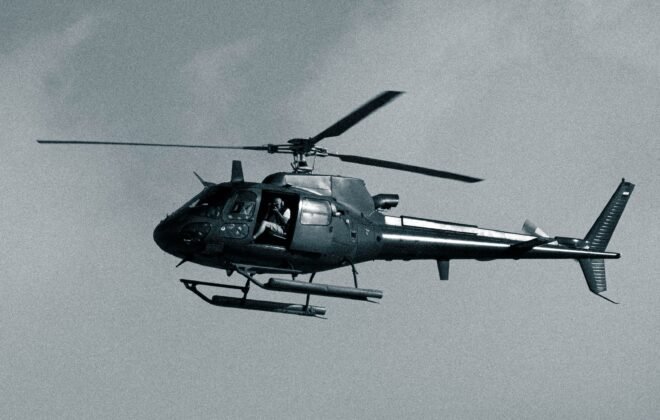
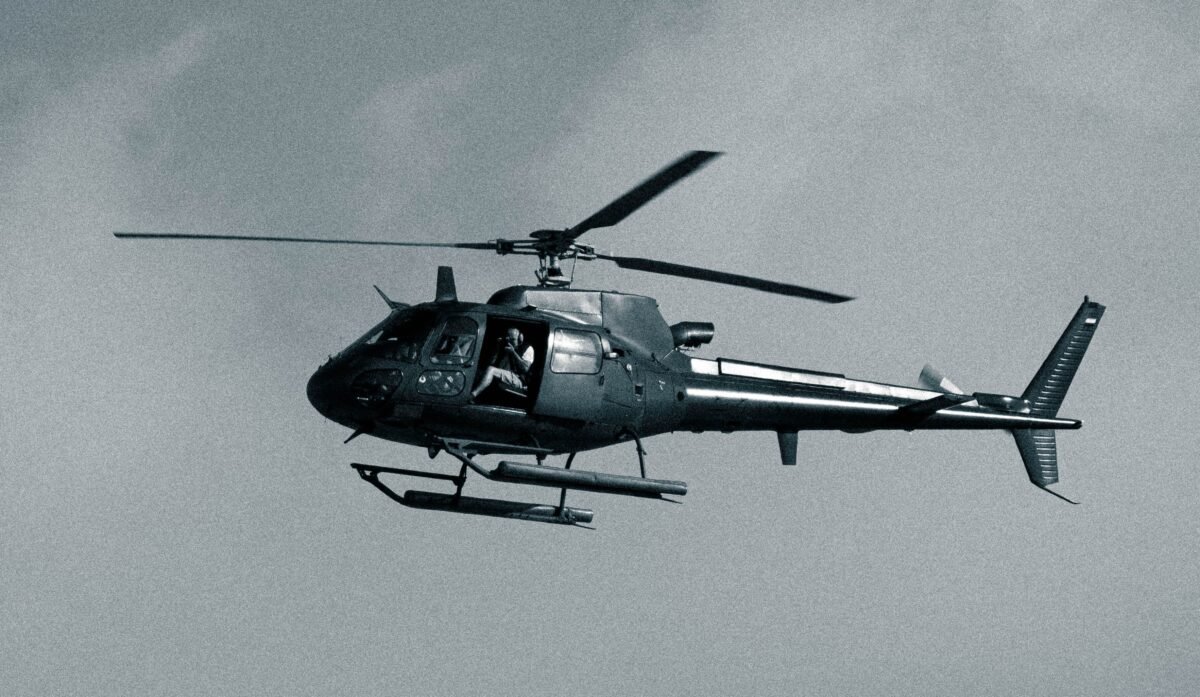
The Bell 407 is a legendary light single‑engine turbine helicopter renowned for its smooth ride, reliability, and versatility. With a spacious cabin for up to 6 occupants, a powerful Rolls‑Royce M250‑C47B engine, and a four‑blade rotor system that delivers exceptional performance, the Bell 407 is a favourite for corporate/VIP transport, utility, law enforcement, EMS, and tourism. With over 1,700 delivered worldwide, it is one of the most successful light helicopters ever built.
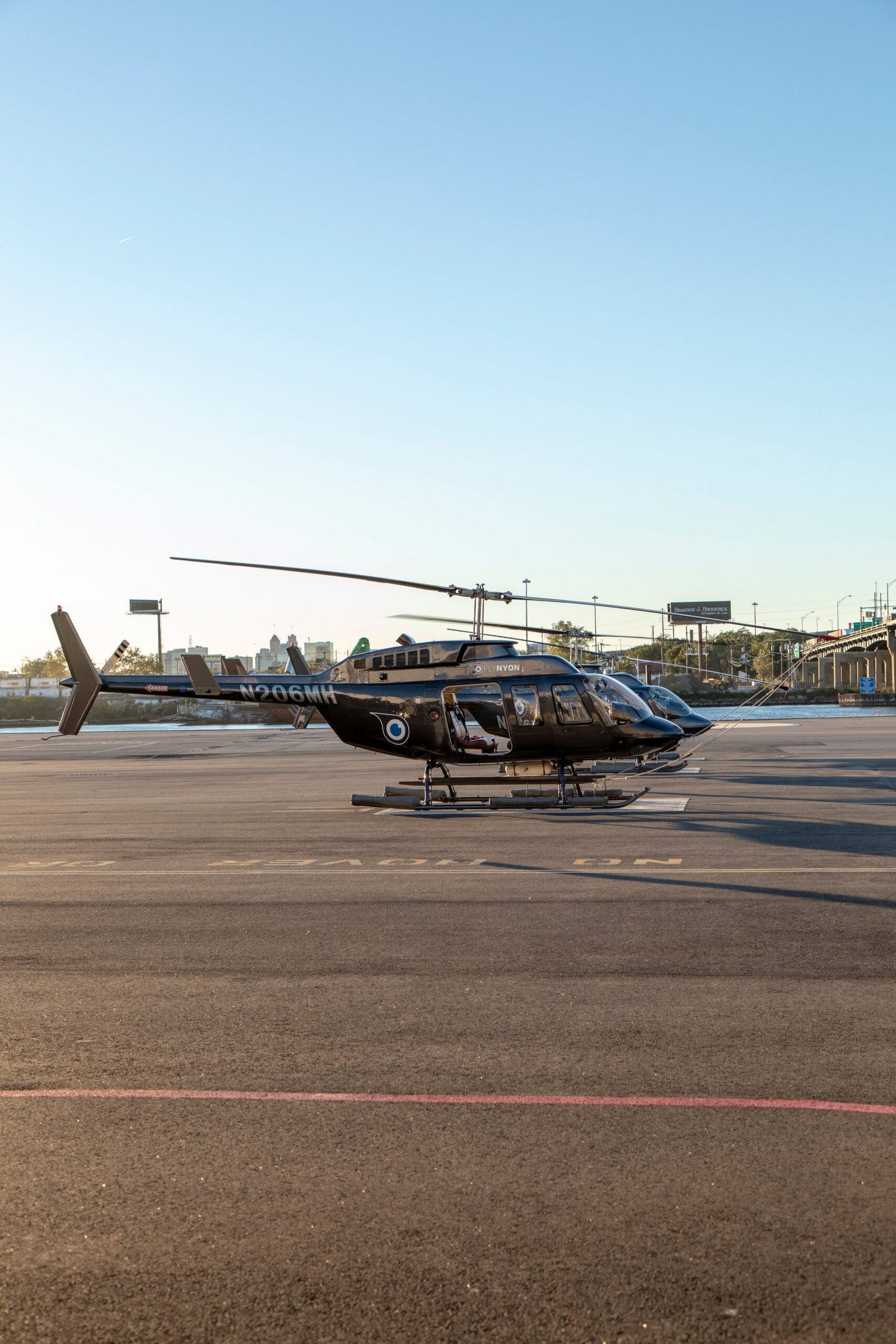
Bell 407 – the world's best‑selling light turbine helicopter
Overview
The Bell 407 is a light, single‑engine, four‑blade turbine helicopter developed by Bell Helicopter as an evolution of the successful Bell 206L‑4 LongRanger. First flown on 29 June 1995, the 407 quickly became a global success, with over 1,700 units delivered and more than 6 million flight hours accumulated worldwide. It is widely regarded as one of the best‑riding and most reliable helicopters in its class.
The Bell 407 is known for its smooth, quiet ride (courtesy of its soft‑in‑plane, four‑blade rotor system), spacious cabin, and excellent performance. It is a preferred platform for corporate/VIP transport, utility, law enforcement, EMS, and tourism. Its combination of performance, comfort, and reliability has made it the benchmark for light single‑turbine helicopters.
Specifications
Performance & Capabilities
The Bell 407 is powered by a single Rolls‑Royce M250‑C47B turboshaft engine, rated at 813 shp (takeoff) and derated to 650 shp for maximum continuous operation. This powerplant provides excellent performance across a wide range of conditions, with a cruise speed of 133 knots (246 km/h) and a maximum range of 324 nautical miles (600 km).
The helicopter's four‑blade, soft‑in‑plane rotor system delivers an exceptionally smooth ride with low vibration, reducing pilot fatigue and enhancing passenger comfort. The 407 can hover in ground effect at over 10,500 feet and out of ground effect at 7,500 feet, making it suitable for high‑altitude missions.
The Bell 407 is also known for its exceptional autorotation characteristics and robust airframe, contributing to its outstanding safety record.
Cabin & Avionics
Spacious and Comfortable Cabin
The Bell 407 offers a roomy cabin with a volume of approximately 3.0 m³ (106 cu ft). It can accommodate up to 6 occupants – one pilot and five passengers – in a versatile configuration. The cabin width is 1.45 m (4 ft 9 in), height is 1.22 m (4 ft 0 in), and length is 2.13 m (7 ft 0 in). Large, sliding doors on each side provide easy entry and exit, while the flat floor allows for quick reconfiguration between passenger, cargo, or medical roles.
For VIP transport, the cabin can be fitted with premium leather seating, soundproofing, and entertainment systems. For EMS missions, it can be equipped with one or two stretchers, medical equipment, and oxygen systems.
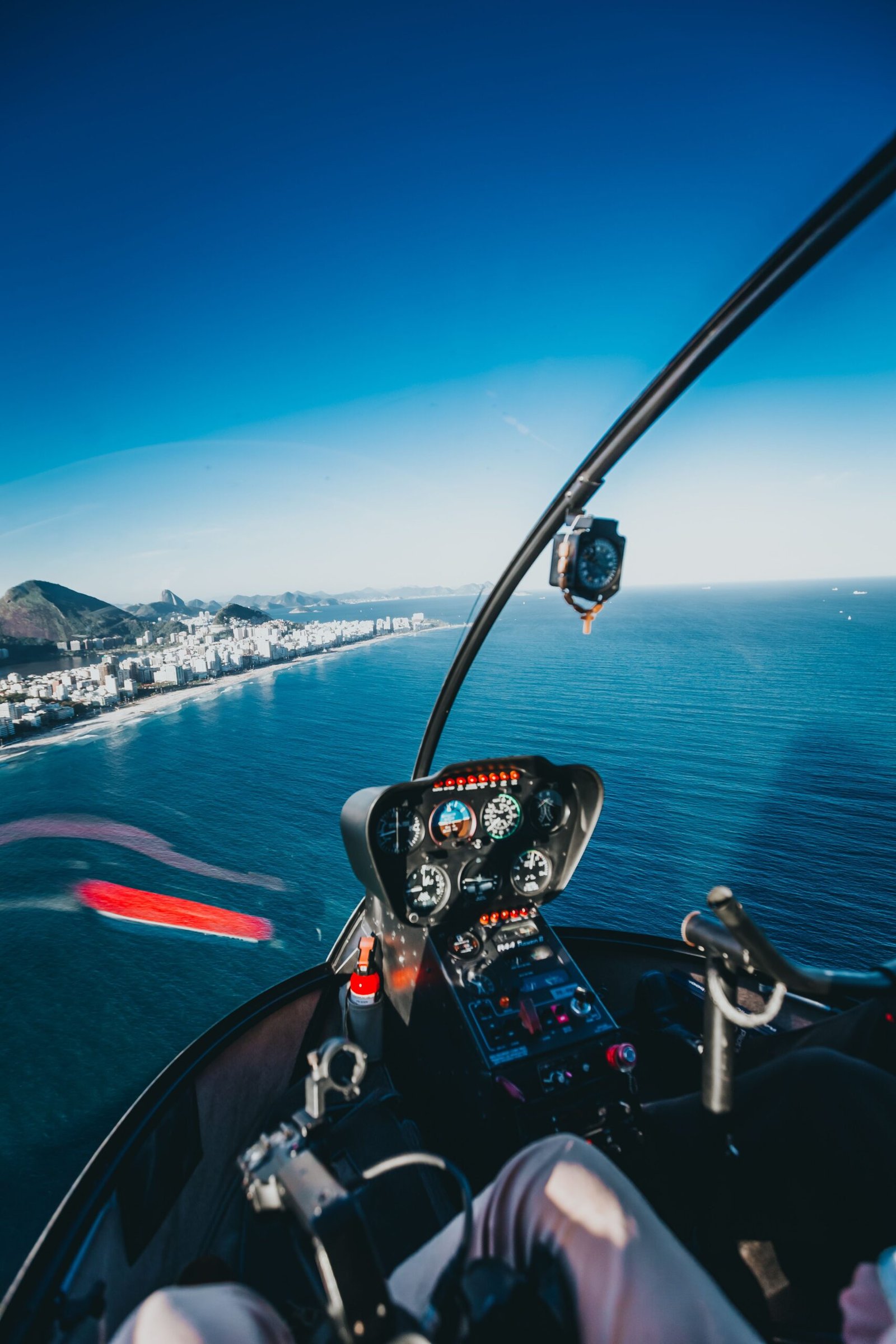
Excellent visibility from the pilot's seat – a hallmark of the Bell 407
Advanced Avionics
The Bell 407 is available with a full glass cockpit, typically featuring the Garmin G1000H or G500H integrated flight deck. The avionics suite includes dual MFD/PFD displays, a digital autopilot, synthetic vision, and optional weather radar. The helicopter is certified for single‑pilot IFR operations, enhancing its all‑weather capability.
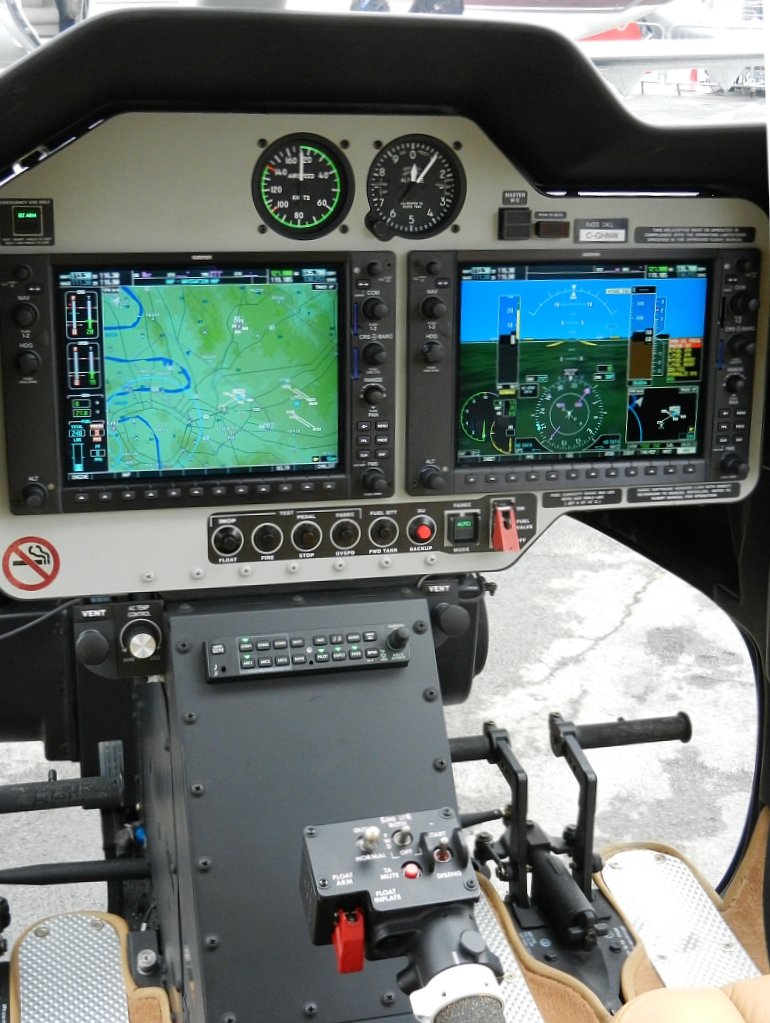
Modern glass cockpit with Garmin G1000H avionics
Mission Profiles
The Bell 407 is a versatile platform suitable for a wide range of missions:
✈️ Corporate & VIP Transport
Smooth, quiet ride with spacious cabin for executive travel and private owners.
🛠️ Utility & Aerial Work
External load lifting (up to 1,200 kg), survey, power line patrol, and construction support.
🚑 Emergency Medical Services (EMS)
Rapid patient transport with one or two stretchers and full medical equipment.
👮 Law Enforcement
Surveillance, patrol, and tactical missions with FLIR, searchlight, and PA systems.
🚁 Tourism & Scenic Flights
Large windows, quiet cabin, and 5‑passenger capacity for sightseeing and aerial photography.
🏔️ High‑Altitude Operations
Hover performance above 10,000 ft makes it suitable for mountain operations.
🌊 Maritime & Coastal Patrol
Surveillance and patrol with optional pop‑out floats.
🎯 Military & Paramilitary
Training, reconnaissance, and light utility roles in various armed forces.
Operating Economics
The Bell 407 offers competitive operating costs for a light single‑turbine helicopter. The following estimates are based on typical operator data and may vary with fuel prices, maintenance schedules, and utilisation.
All figures are estimates. Actual costs depend on location, insurance, crew, and utilisation.
Maintenance Overview
The Bell 407 is designed for ease of maintenance, with a robust airframe and proven systems that contribute to its excellent dispatch reliability.
- Inspection intervals: 100‑hour or 12‑month inspections, with additional 300‑hour and 600‑hour checks.
- Engine overhaul: The M250‑C47B has a TBO of 3,500 hours, with a 5,000‑hour life limit.
- Airframe life: The Bell 407 is designed for 20,000 flight hours or 40,000 cycles.
- Parts availability: Bell's global support network ensures ready access to spares and factory assistance.
- Maintenance costs: Approximately $180–$250 per hour for routine maintenance, excluding engine reserves.
- Engine support: Rolls‑Royce provides comprehensive support, including engine condition trend monitoring (ECTM).
For a detailed maintenance program, consult the SafeFly Aviation team or your local Bell Helicopter service centre.
Pros & Cons
✅ Advantages
- Exceptionally smooth ride thanks to four‑blade rotor system
- Quiet cabin – one of the quietest in its class
- Spacious cabin with flexible configurations (5 passengers)
- Proven reliability with 6 million flight hours
- Excellent autorotation and safety characteristics
- Modern glass cockpit with IFR capability
- Strong global support network with 1,700+ units in service
⚠️ Considerations
- Single‑engine (no twin‑engine redundancy)
- Higher operating costs than smaller light singles (e.g., R66)
- Limited range compared to medium twins
- Acquisition cost higher than some competitors
- No retractable landing gear option
Bell 407 vs Competitors
How does the Bell 407 compare with other popular light single‑turbine helicopters?
| Model | Max Speed | Range | Passengers | Max Takeoff Weight | Key Strengths |
|---|---|---|---|---|---|
| Bell 407 | 140 kt | 324 nm | 6 | 2,268 kg | Smooth ride, quiet cabin, corporate/VIP focus |
| Airbus H125 | 140 kt | 360 nm | 6 | 2,250 kg | Utility, high‑altitude, proven workhorse |
| Robinson R66 | 140 kt | 325 nm | 5 | 1,225 kg | Lowest operating costs, affordable |
| Bell 206B JetRanger | 130 kt | 300 nm | 5 | 1,451 kg | Proven utility, classic design |
| MD 500E | 152 kt | 210 nm | 5 | 1,361 kg | Speed, agility, military heritage |
The Bell 407 distinguishes itself with the smoothest ride and quietest cabin in its class, making it the preferred choice for corporate and VIP operators who prioritise passenger comfort, while still offering excellent utility capabilities.
For dedicated comparisons, see our Bell 407 vs H125 and Bell 407 vs R66 guides.
Who Should Buy the Bell 407?
The Bell 407 is an ideal choice for several types of operators:
- Corporate & VIP operators – Seeking a quiet, comfortable, and reliable helicopter for executive transport.
- Private owners – Who value ride quality, cabin space, and the prestige of the Bell brand.
- EMS providers – Needing a fast, stable air ambulance with low vibration for patient comfort.
- Law enforcement agencies – Looking for a versatile surveillance and patrol platform.
- Utility operators – Requiring a capable helicopter for lifting, surveying, and aerial work.
- Tourism operators – Offering scenic flights with 5‑passenger capacity and quiet operation.
- Flight schools – For turbine transition training and commercial pilot development.
If you fit any of these profiles, the Bell 407 is a proven and reliable choice. Contact SafeFly Aviation to discuss your mission requirements.
Development Timeline
Global Operators
The Bell 407 is operated by a diverse range of organisations and individuals worldwide:
- Corporate & VIP: Fortune 500 companies, private charter operators, and high‑net‑worth individuals.
- Utility companies: Power line maintenance, pipeline patrol, and aerial survey operators.
- EMS providers: Air ambulance services in North America, Europe, and Asia.
- Law enforcement: Police and border patrol units in many countries.
- Military: Used by armed forces for training, reconnaissance, and light utility.
- Tourism: Scenic flight operators in popular destinations such as Hawaii, the Grand Canyon, and the Alps.
Frequently Asked Questions
How many passengers does the Bell 407 carry?
The Bell 407 seats up to 6 people (1 pilot + 5 passengers) in a standard configuration, or 4–5 in VIP layouts.
What is the maximum range of the Bell 407?
The Bell 407 has a maximum range of approximately 324 nautical miles (600 km) with standard fuel tanks.
Is the Bell 407 certified for IFR operations?
Yes, the Bell 407 is IFR-certified and can be equipped with a full glass cockpit for single-pilot IFR operations.
What engine powers the Bell 407?
The Bell 407 is powered by a single Rolls-Royce M250-C47B turboshaft engine, rated at 813 shp.
What is the cruise speed of the Bell 407?
The Bell 407 cruises at approximately 133 knots (246 km/h) with a maximum speed of 140 knots (259 km/h).
How does the Bell 407 compare with the Airbus H125?
Both are light single-turbine helicopters. The H125 has better high-altitude performance and a larger cabin, while the Bell 407 offers a smoother ride, four-blade rotor, and a quieter cabin. The 407 is often preferred for corporate/VIP roles, while the H125 is the utility workhorse.
Is the Bell 407 suitable for external load operations?
Yes. The Bell 407 can be equipped with a cargo hook for external loads up to 1,200 kg (2,646 lb), making it a capable utility platform.
What is the operating cost of the Bell 407?
Direct operating costs are approximately $650–$800 per hour, depending on utilisation, fuel prices, and maintenance schedules.
Experience the Bell 407 with SafeFly Aviation
At SafeFly Aviation, we are committed to providing our clients with the best aviation solutions. The Bell 407 offers unmatched ride quality, reliability, and versatility – the world's best‑selling light turbine helicopter for good reason.
Contact us today to learn more about the Bell 407 and how it can meet your aviation needs.
📞 +91 78400 00473 · ✉️ info@safefly.aero
Conclusion
The Bell 407 has earned its place as one of the most successful light helicopters in history, with over 1,700 units delivered and a reputation for smoothness, reliability, and versatility. Whether you're in corporate transport, utility, EMS, law enforcement, or tourism, the Bell 407 delivers a unique combination of ride comfort, performance, and safety.
Its four‑blade rotor system sets it apart from competitors, providing a quiet, vibration‑free cabin that passengers appreciate. With a powerful M250‑C47B engine, spacious cabin, and advanced avionics, the Bell 407 is ready to tackle any mission with confidence.
At SafeFly Aviation, we are proud to offer the Bell 407 as part of our fleet, and we are confident that it will exceed your expectations. Explore the possibilities with the Bell 407 and elevate your aviation experience. Visit safefly.aero today to schedule a consultation or request a demo flight.
SafeFly Aviation – Your Partner in the Skies.