
Aircraft Engine PPI Rejection Reasons: Top 20 Red Flags
Why Aircraft Engines Are Rejected During Pre-Purchase Inspection (PPI)
Aircraft engine pre-purchase inspections (PPI) are the final line of defence between a sound investment and a costly mistake. While many articles discuss aircraft PPIs broadly, almost none focus exclusively on engine-specific rejection criteria. This guide fills that gap, detailing the 20 most common aircraft engine PPI rejection reasons — from documentation gaps to hidden damage — so you can buy with confidence. Many of the documents scrutinised during a PPI, including the engine summary, LLP sheet, and 8130‑3 chain, are the same core components covered in our engine mini pack guide.
Aircraft engines are most often rejected during PPI for five categories of reasons: incomplete documentation (LLP traceability, AD compliance, 8130‑3 chain), adverse borescope findings (turbine cracking, corrosion, FOD), weak performance data (low EGT margin, failed power assurance test), poor preservation history, and unapproved modifications. Any single red flag can trigger renegotiation; several together typically mean rejection. See our engine records review checklist to self-audit before you commission a PPI.


What is an Engine PPI?
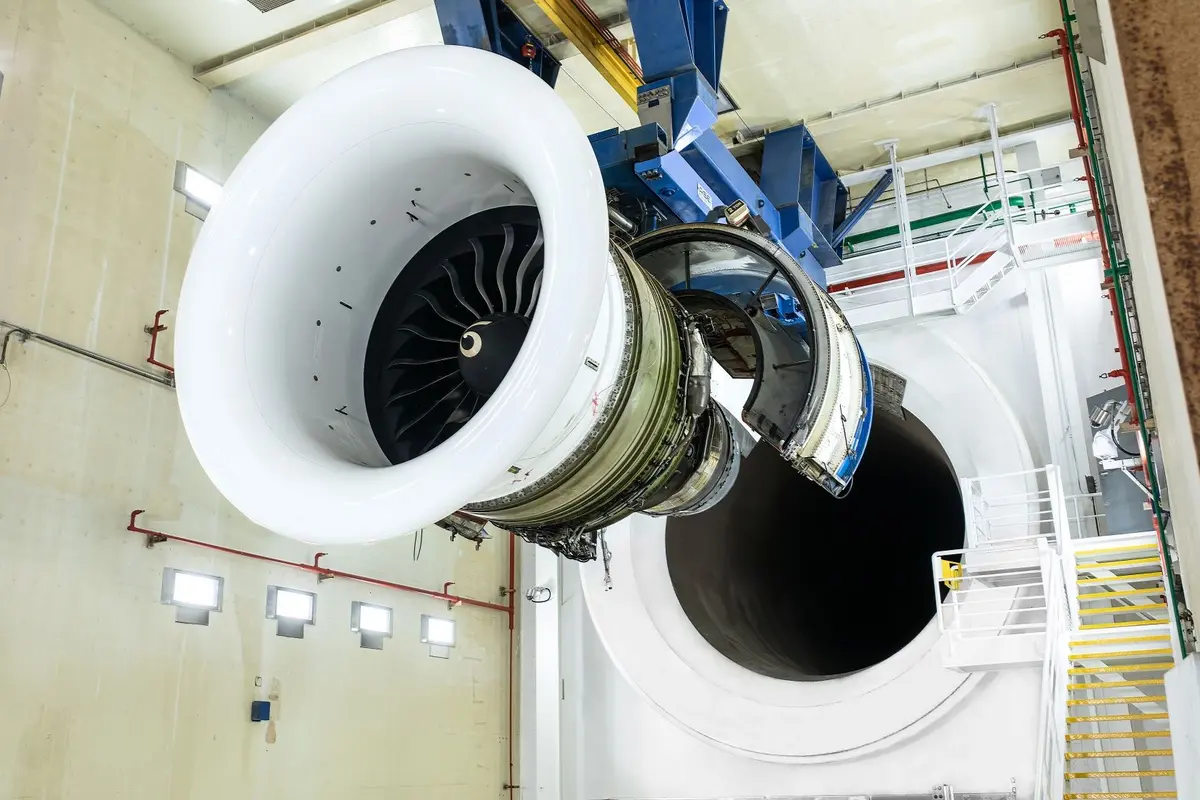
An aircraft engine pre-purchase inspection (PPI) is a comprehensive, independent technical evaluation performed before the final purchase of a used or overhauled engine. Unlike a routine maintenance check, the PPI is designed to verify the engine's true condition, airworthiness, and value based on both documentation and physical examination. It typically includes a borescope inspection, LLP review, AD/SB compliance check, power assurance test, oil analysis, and a thorough audit of all maintenance records. A PPI usually sits within a broader aircraft acquisition and brokerage process rather than standing alone.
The PPI is your opportunity to identify deal-breaking issues before money changes hands. Below are the 20 most common aircraft engine PPI rejection reasons — or the findings most likely to trigger a heavy discount — during this critical process.
Documentation Red Flags
1. Missing or Incomplete LLP Traceability
Life-Limited Parts (LLPs) are the most expensive components in an engine. If the LLP sheet is missing, has gaps, or shows inconsistent cycles, the engine is essentially unmarketable. Buyers must be able to trace every LLP from manufacture to current status.
2. Unverified Airworthiness Directive (AD) Compliance
ADs are legally mandated. If the AD status sheet is incomplete or shows unaddressed directives, the engine is not airworthy. This is a non-negotiable deal-breaker. Buyers can independently verify AD status using the FAA's official Airworthiness Directives database, or work with Safe Fly's regulatory compliance consultancy to audit the full AD picture before you commit.
3. Broken FAA Form 8130-3 Chain
Every major part should have a continuous chain of FAA Form 8130-3 tags (or EASA Form 1). Any break in this chain — especially for LLPs or critical modules — destroys traceability and value.
4. Missing Shop Visit Records
Detailed shop visit reports are essential. If the seller cannot provide complete overhaul or repair documentation, you have no way to verify what was actually done — and no way to budget accurately for the next engine shop visit.
5. Inconsistent Logbook Entries
Discrepancies between the engine summary, LLP sheet, and logbooks (e.g., different TTSN or cycles) are a major warning sign of poor record-keeping or deliberate misrepresentation. Our engine records review checklist walks through exactly which fields to cross-check.
Borescope & Internal Findings
6. Turbine Blade Cracking or Burning
Borescope inspection of the turbine section is perhaps the most critical part of the PPI. Cracks, oxidation, or burning on turbine blades indicate hot section distress and can lead to immediate rejection.
7. Compressor Blade Damage
Nicks, dents, or erosion on compressor blades, especially on the fan or early stages, suggest FOD (foreign object damage) or accelerated wear.
8. Combustion Chamber Distress
Burn patterns, liner cracking, or loose hardware in the combustion chamber are signs of internal degradation that often require expensive repairs.
9. Internal Corrosion
Corrosion in the compressor or turbine areas, often from poor preservation or high-humidity operation, can compromise structural integrity.
10. FOD (Foreign Object Damage) Evidence
Any indication of FOD — such as bent or missing blade tips, impact marks, or embedded debris — is a serious concern that may require blade replacement or blending.
Performance & Condition Indicators
11. Low EGT Margin
Exhaust Gas Temperature (EGT) margin is a key indicator of hot section health. A shrinking margin means the engine is closer to overhaul or performance limits, and healthy benchmarks vary meaningfully by platform — see our CFM56 vs. V2500 performance comparison for reference figures.
12. Abnormal Oil Analysis
Spectrometric oil analysis can reveal wear metals (e.g., iron, copper, silver) that indicate internal component degradation.
13. Failed Power Assurance Test
If the engine cannot achieve rated power or shows excessive vibration during the test cell run, it indicates a performance problem.
14. Oil Consumption Exceeding Limits
High oil consumption can signal worn seals, bearings, or other internal issues.
Preservation, Storage & Physical Condition
15. Poor Preservation (Long-Term Storage)
Engines that have been stored without proper preservation (e.g., desiccant, oil preservation, sealing) can suffer from corrosion and seal degradation.
16. Physical Damage from Transport or Handling
Dents, scratches on fan blades, or damage to accessories (e.g., fuel pump, gearbox) from improper handling are common but costly issues.
17. External Corrosion
While less critical than internal corrosion, extensive external corrosion on the casing or mounting points can indicate poor maintenance culture.
Configuration & Modification Issues
18. Unapproved Modifications
Any modification not supported by an STC or approved repair scheme is a compliance risk. If configuration concerns keep recurring across the engines you're shortlisting, Safe Fly's engine & APU sourcing team can help you compare verified-configuration options.
19. Missing or Incorrect Accessories
Installed accessories (starter, generator, fuel control) that are not the correct model or have unclear history can cause delays and extra costs.
20. Incomplete Modification History
Service Bulletins (SBs) that are not incorporated, or major repairs without proper documentation, leave you with an unknown configuration.
Case Study: How One Missing Record Delayed an Engine Transaction
In a recent transaction brokered by Safe Fly Aviation, a buyer was prepared to close on a CFM56-7B engine. The mini pack appeared complete — until the PPI team noticed a discrepancy. The LLP sheet showed a high-pressure turbine (HPT) disc with 8,200 cycles, but the corresponding FAA Form 8130-3 was missing. The seller claimed it was "lost in transit."
Without that 8130-3, the disc could not be traced to an approved repair station. The buyer's technical team refused to accept the engine until the tag was located or the disc replaced. It took six weeks to resolve — the seller eventually found the tag misfiled, but the delay nearly cost the deal, and materially affected the engine's negotiated market value. The lesson: even one missing record can derail a transaction. Always insist on complete traceability before committing.
Frequently Asked Questions
What is an aircraft engine pre-purchase inspection (PPI)?
An aircraft engine PPI is a comprehensive, independent technical inspection performed before the final purchase of a used or overhauled engine. It goes beyond the seller's documentation to verify the engine's physical condition, airworthiness, and value. The PPI typically includes a borescope inspection, LLP review, AD/SB compliance check, power assurance test, and a thorough examination of all maintenance records.
Why do aircraft engines fail pre-purchase inspections?
Engines fail PPI for a variety of reasons, broadly categorized as documentation issues (missing LLP traceability, unverified AD compliance, incomplete 8130-3 chain) and physical findings (borescope damage, corrosion, FOD, EGT margin depletion, preservation failures, or oil analysis anomalies). The most common deal-breakers are undocumented life-limited parts and unexpected internal damage discovered during borescope inspection.
What are the most critical red flags in an engine PPI?
The most critical red flags include: incomplete or forged LLP records, borescope findings of turbine blade cracking or compressor erosion, unaddressed airworthiness directives (ADs), missing FAA Form 8130-3 tags for major parts, low EGT margin indicating hot section degradation, and evidence of corrosion or FOD (foreign object damage). Any of these can lead to immediate rejection or significant price negotiation.
How can buyers avoid engine PPI failures?
Buyers can minimize PPI risks by conducting a thorough documentation review before the physical inspection. This includes verifying the LLP sheet against the engine logbooks, checking AD compliance via official databases, and ensuring a continuous 8130-3 chain. Engaging an experienced technical advisor or MRO provider early in the process can identify potential red flags before they become deal-breakers.
Need Expert Guidance for Your Engine PPI?
Safe Fly Aviation provides independent technical advice, documentation audits, and full-scope pre-purchase inspections. Don't leave your investment to chance.
✧ Engine PPI Red Flags Decoded ✧ Knowledge protects your investment