CFM56 vs V2500 Engine Comparison for Airbus A320ceo | SAFE FLY Aviation
CFM56 vs V2500 – The Ultimate Engine Battle of the Airbus A320ceo Era

The CFM56 vs V2500 battle is the defining engine rivalry of the Airbus A320ceo era. For airlines, lessors, pilots, and maintenance teams, choosing between the CFM56 vs V2500 has shaped profitability for decades — influencing fuel efficiency, reliability, hot-and-high performance, and residual value. In this comprehensive CFM56 vs V2500 guide, we deliver a data-rich comparison complete with charts, spec tables, and actionable insights for worldwide aviation professionals.
Even today, thousands of A320ceo family aircraft continue global operations powered by these two engines. Understanding the CFM56 vs V2500 trade-offs is essential for operators making fleet, leasing, and maintenance decisions.
CFM56 vs V2500: Engine Architecture Overview
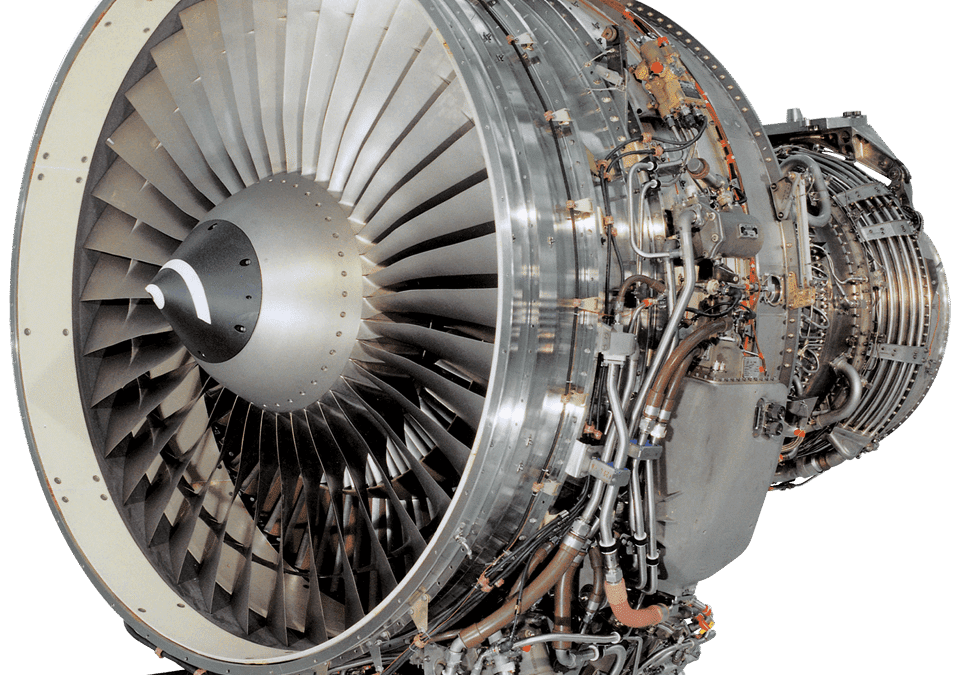
CFM56-5B
GE & Safran collaboration – legendary reliability & low maintenance disruptions. Over 30,000 units produced across all variants.
- Exceptional dispatch reliability (99.98%)
- Longer on-wing life & LLP cycles (20,000–25,000+ hours)
- Global support ecosystem
- Excellent sand and dust tolerance
IAE V2500-A5
Pratt & Whitney / Rolls-Royce alliance – superior fuel efficiency & hot/high performance.
- 2–4% lower cruise SFC
- Excellent takeoff from high-elevation airports
- Lower noise footprint
- Lower oil consumption

CFM56 vs V2500: Technical Specifications Compared
| Feature | CFM56-5B | IAE V2500-A5 |
|---|---|---|
| Thrust Range | 22,000 – 34,000 lbf | 23,500 – 33,000 lbf |
| Fan Diameter | ~61 inches | Slightly larger (~63.5") |
| Compressor Stages | 1 fan + 4 LP + 9 HP | 1 fan + 3 LP + 8 HP |
| Fuel Efficiency (cruise) | Baseline (excellent) | ~2–4% better |
| Oil Consumption | Higher tendency | Lower, praised by operators |
| Noise Levels | Low, Stage 4 compliant | Often quieter |
| Time on Wing (typical) | Longer (20–25k+ hrs) | Good, earlier variants sensitive |
| Dispatch Reliability | ~99.98% | ~99.9% |
| Entry into Service | 1988 (A320 launch) | 1989 (A320) |
| Manufacturer | CFM International (GE + Safran) | IAE (P&W + Rolls-Royce + others) |

CFM56 vs V2500: Fuel Burn & Maintenance Data
Based on independent operator surveys, airline MRO reports, and industry publications. In the CFM56 vs V2500 comparison, the V2500 provides a fuel edge, while CFM56 dominates long-term maintenance predictability and time-on-wing.
CFM56 vs V2500: Global Market Share Battle
By the end of Airbus A320ceo production, in the CFM56 vs V2500 market share battle, the CFM56 maintained a slight global advantage, while the V2500 achieved strong adoption across Asia and Europe due to fuel efficiency advantages.
CFM56 vs V2500: Reliability & Real-World Performance
Dispatch Reliability: In the CFM56 vs V2500 comparison, the CFM56 consistently achieves 99.98% dispatch reliability. V2500 improved after PIPs but CFM56 remains the industry gold standard for robustness.
Hot & High: The V2500 excels at high-altitude airports (Delhi, Mexico City, Dubai). CFM56 shows better tolerance to sand/dust — ideal for Middle East & Africa. This is a critical consideration in the CFM56 vs V2500 decision for diverse operators.
Pilot perspectives: CFM56 pros
- Faster starts & idle taxi
- Robust throttle response
- Fewer aborted takeoffs
- Predictable handling across environments
Pilot perspectives: V2500 pros
- Stronger reverse thrust
- Lower cabin noise
- Fuel savings on longer sectors
- Superior hot-and-high takeoff performance
CFM56 vs V2500 in Cargo, Charter & Emerging Markets
SAFE FLY Aviation's partners operate both engine types on A320/A321 freighters and passenger charters. In the CFM56 vs V2500 decision, CFM56 offers lower entry cost & abundant spares; V2500 provides fuel savings for high-utilization cargo routes. Leasing companies often mix CFM56 vs V2500 fleets to maximize residual value.
Key Insight: Over the next decade, the mature engine aftermarket remains robust. Both engines power the global narrowbody backbone, and the CFM56 vs V2500 question will continue to define A320ceo fleet economics.
CFM56 vs V2500 — Final Verdict: Which Engine Wins?
Choose CFM56 if: Maximum reliability, lower maintenance disruption, long dispatch consistency, and robust global support are your top drivers — ideal for ACMI, charters, and diverse environments.
Choose V2500 if: Fuel efficiency, high-temperature airfields, low noise, and optimized oil consumption give you a competitive cost edge on dense networks.
Both engines powered the Airbus narrowbody revolution. In the CFM56 vs V2500 debate, there is no universal winner — SAFE FLY Aviation offers independent consulting to help operators select the right engine for their specific mission profile.
Ready to optimize your A320ceo fleet?
Contact SAFE FLY Aviation for aircraft charter, leasing support, and CFM56 vs V2500 engine transition strategies.
Aircraft sales · Cargo charter · Aviation consulting · Leasing support