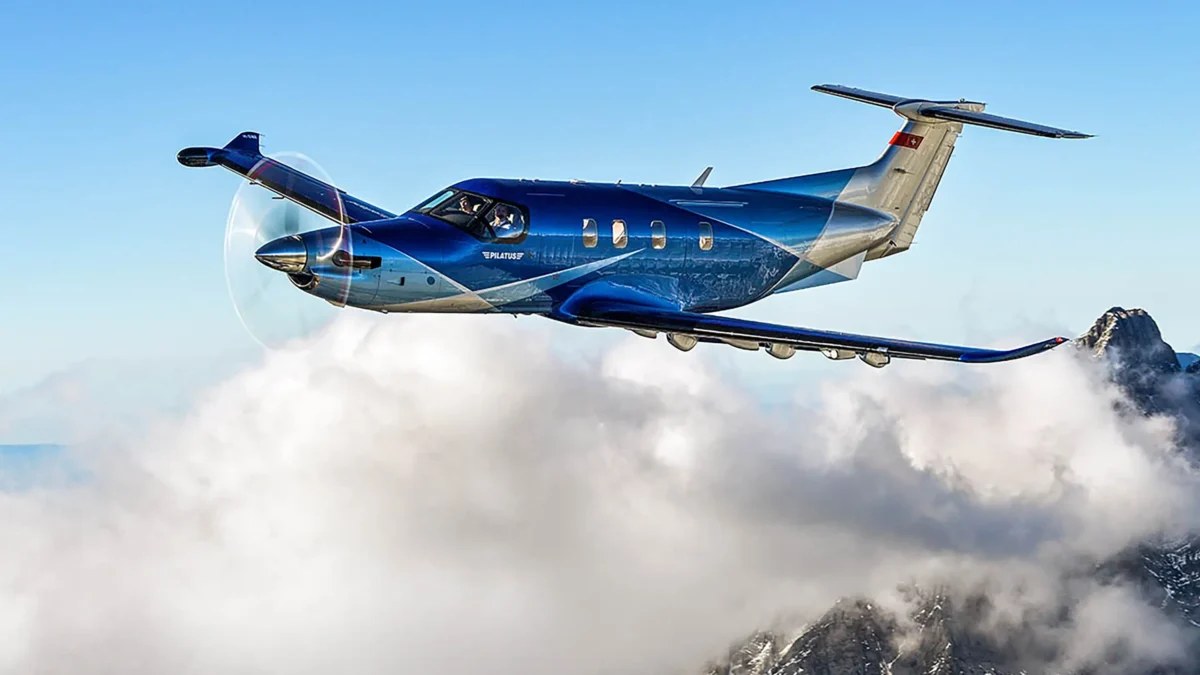
Nigeria Aviation Market Report 2026 | Airlines, Fleet, Airports, Leasing & Investment
Nigeria Aviation Market Report 2026: Airlines, Fleet, Airports, Leasing & Investment Opportunities
Comprehensive analysis of the Nigeria aviation market in 2026 — airline profiles, fleet statistics, airport infrastructure, leasing, cargo, private jet demand, MRO, and investment opportunities for Africa's second-largest aviation market.
Last Updated: June 2026
Nigeria Aviation Market at a Glance
- Population: 220+ million — Africa's most populous nation
- Annual Passengers: 20+ million (2025) — 2nd largest in Sub-Saharan Africa
- Largest Airline: Air Peace (30+ aircraft)
- Main Airport: Lagos Murtala Muhammed (LOS) — handles 60%+ of international traffic
- Government Hub: Abuja Nnamdi Azikiwe (ABV)
- Cargo Hub: Lagos with significant growth potential
- Business Aviation: Growing oil & gas and HNWI demand
- Leasing Demand: Strong dry and wet lease interest
- MRO Market: Limited local capacity — major opportunity
- Key Challenge: FX availability and operating costs
- Major Opportunity: Fleet modernisation, cargo aviation, private jet services, and leasing
Nigeria Aviation Market — Quick Facts (2026)
| Market Ranking (Sub-Saharan Africa) | 2nd largest (after South Africa) Source: IATA 2025 |
| Annual Passengers | 20+ million Source: NCAA 2025 |
| Active Airlines | 15+ domestic/international carriers |
| Major Airports | Lagos (LOS), Abuja (ABV), Port Harcourt (PHC), Kano (KAN), Enugu (ENU) |
| Fleet Composition | Boeing 737NG, Embraer E-Jets, CRJ, ATR, Business Jets |
| Leasing Demand | Strong — dry and wet lease interest |
| Cargo Growth Outlook | Strong — agricultural exports, oil & gas, e-commerce |
| Private Jet Market | Growing — oil & gas executives, government, HNWIs |
| MRO Market | Limited local capacity — significant opportunity |
Sources: IATA, NCAA, FAAN, Safe Fly Aviation Market Intelligence
Contents
- Market Overview
- Nigerian Airlines
- Fleet Statistics
- Fleet Forecast 2026–2030
- Airport Infrastructure
- Airport Development Projects
- Aircraft Leasing in Nigeria
- Air Cargo Market
- Cargo Aircraft Demand
- Private Jet Market
- MRO Industry in Nigeria
- Aviation Regulatory Environment
- Aircraft for Sale in Nigeria
- Airline Startup in Nigeria
- Investment Opportunities
- Market Forecast 2026–2030
- How Safe Fly Supports Nigeria
- Frequently Asked Questions
Market Overview: Nigeria's Aviation Sector in 2026
Nigeria is the second-largest aviation market in Sub-Saharan Africa, serving over 20 million passengers annually. The country's aviation sector is undergoing significant transformation, driven by a growing middle class, economic expansion, and government initiatives to modernise infrastructure.
Key market characteristics:
- Population of 220+ million — the largest in Africa, with increasing air travel demand
- Strong domestic market — high demand for domestic flights connecting Lagos, Abuja, Port Harcourt, and regional centres
- International connectivity — serving routes to London, Dubai, Addis Ababa, Johannesburg, and beyond
- Growing middle class — driving increased business and leisure air travel
- Significant oil & gas sector — generating high demand for business aviation and cargo logistics
The Nigerian aviation industry faces challenges, including foreign exchange shortages, high operating costs, and infrastructure constraints. However, private sector investment and government reforms are creating substantial opportunities for airlines, lessors, and aviation service providers.
Nigerian Airlines: Major Carriers & Fleet Overview
Nigeria's airline industry is characterised by a mix of established carriers and emerging operators. The sector is highly competitive, with airlines focusing on domestic connectivity, regional expansion, and fleet modernisation.
| Airline | Fleet Size | Average Age | Key Aircraft Types | Focus |
|---|---|---|---|---|
| Air Peace | 30+ | ~12 years | B737NG, Embraer E145 | Domestic & Regional |
| Arik Air | 10+ | ~10 years | B737NG, CRJ900 | Domestic & International |
| Ibom Air | 8+ | ~5 years | B737NG, Airbus A220 | Domestic & Regional |
| Overland Airways | 6+ | ~12 years | Embraer E145, ATR | Domestic & Regional |
| ValueJet | 4+ | ~18 years | B737 Classic | Domestic |
| Green Africa Airways | 4+ | ~3 years | ATR 72 | Domestic & Regional |
Source: Safe Fly Aviation Market Intelligence, 2026
Airline Expansion Plans
- Air Peace — Expanding regional routes and planning fleet modernisation
- Ibom Air — Growing domestic network with Airbus A220 deliveries
- Green Africa — Expanding domestic and regional connectivity
- Overland Airways — Adding more E-Jets for regional expansion
Fleet Statistics: Nigeria's Active Commercial Fleet
Nigeria's commercial fleet is predominantly composed of narrow-body aircraft, with a growing number of regional turboprops and business jets. The fleet is undergoing modernisation as airlines replace older aircraft with more efficient models.
| Aircraft Type | Estimated Active Fleet | Key Operators |
|---|---|---|
| Boeing 737NG | 30+ | Air Peace, Arik Air, Ibom Air |
| Airbus A220 | 4+ | Ibom Air |
| Embraer E-Jets | 15+ | Air Peace, Overland Airways |
| CRJ Series | 8+ | Arik Air, Air Peace |
| ATR Aircraft | 10+ | Green Africa, Overland Airways |
| Business Jets | 20+ | Various operators |
Source: Safe Fly Aviation Market Intelligence, 2026
Fleet modernisation opportunity: Many Nigerian airlines are seeking to replace older B737 Classics and CRJ200s with more fuel-efficient models. Contact Safe Fly Aviation for aircraft acquisition support.
Fleet Forecast 2026–2030: Nigeria's Aviation Fleet Growth
Nigeria's commercial fleet is expected to grow by 25–35% over the next five years, driven by airline expansion, fleet modernisation, and new market entrants.
| Aircraft Type | 2026 (Est.) | 2030 (Forecast) | Growth |
|---|---|---|---|
| Narrow-body (B737NG, A320) | 50+ | 70+ | ⬆ +40% |
| Regional Jets (E-Jets, CRJ) | 25+ | 35+ | ⬆ +40% |
| Turboprops (ATR, Dash 8) | 15+ | 25+ | ⬆ +67% |
| Freighters | 5+ | 15+ | ⬆ +200% |
| Business Jets | 25+ | 40+ | ⬆ +60% |
Source: Safe Fly Aviation Market Intelligence, 2026
Airport Infrastructure: Nigeria's Key Airports
Nigeria's airport network is managed by the Federal Airports Authority of Nigeria (FAAN). The country has five major international airports and numerous domestic airports serving regional centres.
| Airport | IATA | Role | Key Characteristics |
|---|---|---|---|
| Murtala Muhammed International | LOS | Primary Hub, Largest Airport | Lagos — handles 60%+ of international traffic |
| Nnamdi Azikiwe International | ABV | Government Hub | Abuja — connects to all regional capitals |
| Port Harcourt International | PHC | Oil & Gas Hub | Key for energy sector logistics and travel |
| Mallam Aminu Kano | KAN | Northern Gateway | Serves northern Nigeria and regional routes |
| Akanu Ibiam International | ENU | Southeast Gateway | Enugu — serves the southeast region |
Source: FAAN, Safe Fly Aviation Market Intelligence
Airport Development Projects in Nigeria
Nigeria is investing in airport infrastructure to support growing passenger and cargo demand. Key development projects include:
- Lagos Murtala Muhammed International — Terminal expansion and runway rehabilitation
- Abuja Nnamdi Azikiwe International — New terminal and private aviation facilities
- Port Harcourt International — Cargo terminal development
- Private aviation terminals — Growing demand for FBO facilities
- Cargo hub development — Lagos and Abuja cargo facilities
Investment opportunity: Airport infrastructure development presents significant opportunities for private sector participation. Inquire about airport infrastructure opportunities.
Aircraft Leasing in Nigeria: Dry Lease, Wet Lease & ACMI
Nigeria's aircraft leasing market is growing rapidly, driven by airlines seeking to manage fleet flexibility, reduce capital expenditure, and navigate foreign exchange constraints.
Leasing Market Overview
- Dry Lease Demand: Strong demand for B737NG, A320, and regional jets
- Wet Lease / ACMI: Growing seasonal demand and route expansion
- Leasing Challenges: FX availability, maintenance reserves, and bank guarantees
- Leasing Opportunities: Lessors are increasingly active in the Nigerian market
Leasing Demand by Aircraft Type
| Aircraft Type | Lease Type | Demand Level |
|---|---|---|
| Boeing 737NG / 737-800 | Dry Lease | ⬆ High |
| Airbus A320 / A220 | Dry Lease | ⬆ Growing |
| Embraer E-Jets | Dry / Wet Lease | ⬆ High |
| ATR 72 / 42 | Dry / Wet Lease | ⬆ Growing |
| CRJ Series | Dry Lease | ↕ Moderate |
| Business Jets | Dry / Wet Lease | ⬆ Strong |
Source: Safe Fly Aviation Market Intelligence, 2026
Safe Fly Aviation provides aircraft leasing advisory and placement services for Nigerian operators. Explore leasing solutions.
Nigeria Air Cargo Market: Opportunities & Outlook
Nigeria's air cargo market is expanding rapidly, driven by:
- Agricultural exports — cocoa, sesame seeds, and other cash crops
- Oil & gas logistics — equipment and personnel transport to offshore platforms
- Pharmaceutical shipments — growing healthcare sector demand
- E-commerce growth — increasing demand for express freight services
Lagos (LOS) serves as Nigeria's primary cargo hub, with significant potential for expansion. Cargo operators are increasingly looking to acquire freighter aircraft to serve both domestic and international routes.
Cargo Market Statistics
- Annual Cargo Volume: Growing steadily, with double-digit growth in recent years
- Key Cargo Routes: Lagos – London, Lagos – Dubai, Lagos – Amsterdam
- Top Imports: Pharmaceuticals, electronics, machinery
- Top Exports: Agricultural products, oil & gas equipment
Cargo Aircraft Demand in Nigeria
As Nigeria's cargo market expands, demand for freighter aircraft is growing significantly. The most sought-after cargo aircraft types include:
| Aircraft Type | Typical Mission | Demand Level |
|---|---|---|
| Boeing 737-800 Freighter | Domestic & Regional Cargo | ⬆ Strong |
| Boeing 737-400 Freighter | Domestic Cargo | ⬆ Moderate |
| ATR 72 Freighter | Regional Turboprop Cargo | ⬆ Growing |
| Boeing 767 Freighter | International Cargo | ↕ Moderate |
| Dash 8 Freighter | Regional Cargo | ↕ Moderate |
Source: Safe Fly Aviation Market Intelligence, 2026
Cargo aircraft opportunities: Explore cargo aircraft available through Safe Fly Aviation.
Private Jet Market in Nigeria: Business Aviation Growth
Nigeria has one of the largest private jet markets in Africa, driven by:
- Oil & gas executives — frequent travel to oil-producing regions
- Government officials — VIP and diplomatic travel requirements
- High-net-worth individuals (HNWIs) — growing private jet ownership and charter demand
- Business aviation infrastructure — private terminals at Lagos and Abuja
Popular Private Jet Types in Nigeria
- Gulfstream G650 / G550 — long-range
- Bombardier Global 6000 / 7500
- Embraer Legacy / Praetor
- Dassault Falcon 7X / 8X
- Bombardier Challenger 604 / 605
Private Jet Market Forecast 2026–2030
- Fleet Growth: 25+ currently; expected to reach 40+ by 2030
- Charter Demand: Growing 15–20% annually
- Key Routes: Lagos – London, Lagos – Dubai, Lagos – Johannesburg
Charter and acquisition: Explore private jet solutions with Safe Fly Aviation.
Aircraft Maintenance & MRO Industry in Nigeria
Nigeria's MRO (Maintenance, Repair, and Overhaul) industry is significantly underdeveloped relative to the size of its aviation market. This presents a major opportunity for investment and service providers.
Existing MRO Capabilities
- Arik Air Hangar (Lagos) — Line and base maintenance capability
- Air Peace Hangar (Lagos) — Line maintenance
- CAE Simulation (Abuja) — Pilot training
- Limited heavy maintenance — Most major overhauls conducted overseas
MRO Market Gaps
- Engine maintenance — No local engine overhaul capability
- Component repair — Limited component repair capability
- Heavy maintenance — No heavy maintenance facility
- Training — Limited technical training infrastructure
MRO Investment Opportunities
- Heavy maintenance facility — Lagos or Abuja
- Engine workshop — CFM56, V2500, and LEAP capability
- Component repair — Landing gear, APU, and avionics
- Technical training school — Local training capacity
Safe Fly Aviation can support MRO investment evaluation and planning. Contact us for advisory support.
Aviation Regulatory Environment in Nigeria
Nigeria's aviation sector is regulated by several key agencies:
- NCAA (Nigeria Civil Aviation Authority) — Primary safety and operations regulator
- FAAN (Federal Airports Authority of Nigeria) — Airport management
- NAMA (Nigerian Airspace Management Agency) — Air traffic control
- AIB (Accident Investigation Bureau) — Accident investigation
- Ministry of Aviation — Policy and strategic direction
Key Regulatory Requirements
- Air Operator Certificate (AOC) — Mandatory for commercial operators
- Aircraft Registration — Registration with NCAA required
- Airport Charges — Fees payable to FAAN and NAMA
- Insurance — Mandatory aviation insurance coverage
- Foreign Operator Permits — Required for international operations
Regulatory Challenges
- Regulatory complexity — Multiple agencies with overlapping jurisdiction
- Bureaucracy — Administrative delays and procedural bottlenecks
- Licensing — Complex licensing and certification processes
- Policy uncertainty — Frequent policy changes
Safe Fly Aviation provides regulatory compliance and navigation support. Contact us for expert guidance.
Aircraft for Sale in Nigeria
Nigerian operators are actively seeking to acquire aircraft for fleet expansion and modernisation. Safe Fly Aviation has access to a global inventory of commercial and business aircraft suitable for the Nigerian market.
| Aircraft Type | Typical Mission | Market Outlook |
|---|---|---|
| Boeing 737NG / 737-800 | Domestic & Regional | ⬆ Strong demand |
| Airbus A220 / A320 | Domestic & Regional | ⬆ Growing demand |
| Embraer E-Jets (E190/E195) | Domestic & Regional | ⬆ Strong demand |
| ATR 72 / 42 | Regional Turboprop | ⬆ Growing demand |
| CRJ Series (900/1000) | Regional Jet | ↕ Moderate demand |
| Boeing 737-800 Freighter | Cargo | ⬆ Strong growth |
| Gulfstream / Global / Falcon | Business Aviation | ⬆ Strong demand |
Source: Safe Fly Aviation Market Intelligence, 2026
Need to acquire aircraft? Contact Safe Fly Aviation for professional aircraft sourcing and acquisition support in Nigeria.
How to Start an Airline in Nigeria
Starting an airline in Nigeria requires careful planning and compliance with regulatory requirements. The Nigeria Civil Aviation Authority (NCAA) is the primary regulatory body.
- Air Operator Certificate (AOC): Required for commercial operations
- Aircraft Sourcing: Acquire or lease appropriate aircraft
- Financing: Access to capital is critical — explore leasing and financing options
- Fleet Selection: Match aircraft type to mission (domestic, regional, cargo, or charter)
- Regulatory Compliance: NCAA safety and operational standards
- Infrastructure: Hangar, maintenance, and operational facilities
Airline Startup Checklist
- Business Plan Development
- Fleet Selection & Acquisition
- Financing & Capital Raising
- NCAA AOC Application
- Operational Setup
- Staff Recruitment & Training
- Route Development
- Marketing & Sales
Safe Fly Aviation provides comprehensive airline startup advisory, including aircraft selection, financing support, and regulatory navigation. Contact us for expert guidance.
Investment Opportunities in Nigeria's Aviation Sector
- Airline Startup & Expansion — Growing demand for domestic and regional connectivity
- Aircraft Leasing — Strong demand for dry and wet lease solutions
- Cargo Aviation — Expanding air freight market with significant growth potential
- Private Jet Services — Charter, management, and acquisition for HNWIs and corporate clients
- MRO Services — Limited local MRO capacity creates opportunities for investment
- Airport Infrastructure — Private terminal, cargo facility, and FBO development
Safe Fly Aviation can help you identify and execute investment opportunities in Nigeria. Inquire about our aviation advisory services.
Nigeria Aviation Market Forecast 2026–2030
Based on our proprietary market intelligence, Safe Fly Aviation projects the following growth trajectory for Nigeria's aviation sector:
| Metric | 2026 (Est.) | 2030 (Forecast) | CAGR |
|---|---|---|---|
| Annual Passengers | 20M+ | 30M+ | +10–12% |
| Commercial Fleet Size | 80+ | 120+ | +10–12% |
| Cargo Volume (Tons) | 120,000+ | 200,000+ | +13–15% |
| Business Jet Fleet | 25+ | 40+ | +12–15% |
| Airports (International) | 5 | 7+ | — |
Source: Safe Fly Aviation Market Intelligence, 2026
✈️ How Safe Fly Aviation Supports the Nigerian Market
Safe Fly Aviation provides comprehensive aviation advisory and transaction services for operators, investors, and lessors in Nigeria.
- Aircraft Acquisition — Sourcing and procurement of commercial, cargo, and business aircraft
- Aircraft Leasing — Dry and wet lease advisory and placement
- Cargo Aircraft Sourcing — Freighter acquisition and conversion support
- Airline Startup Advisory — Fleet planning, AOC support, and operational setup
- Aircraft Valuation — Independent valuation for financing and transactions
- Fleet Planning — Strategic fleet development and optimisation
- Regulatory Support — NCAA and FAAN liaison and compliance advisory
- Aircraft Sale Mandate — We help sell aircraft in the Nigerian market
- MRO Advisory — Investment evaluation and planning for MRO facilities
Ready to Enter or Expand in Nigeria's Aviation Market?
Safe Fly Aviation provides expert advisory, aircraft acquisition, leasing, and transaction support for operators, investors, and lessors. Our team delivers practical, market-driven solutions tailored to your needs.
Speak with an Aviation SpecialistFrequently Asked Questions About Nigeria's Aviation Market
Nigeria's aviation market is the second-largest in Sub-Saharan Africa, serving over 20 million passengers annually. The market is undergoing significant transformation with new airports, airline expansion, and growing cargo and private jet demand. Source: IATA 2025
Major Nigerian airlines include Air Peace, Arik Air, Ibom Air, Overland Airways, ValueJet, and Green Africa Airways. Air Peace is currently the largest carrier with a fleet of over 30 aircraft. Source: NCAA 2025
The main airports are Lagos Murtala Muhammed International (LOS), Abuja Nnamdi Azikiwe International (ABV), Port Harcourt International (PHC), Kano Mallam Aminu Kano (KAN), and Enugu Akanu Ibiam (ENU). Lagos and Abuja are the primary hubs. Source: FAAN
Nigeria's aircraft leasing market is growing, with strong demand for both dry and wet leases. Airlines are increasingly turning to leasing to manage fleet flexibility, reduce capital expenditure, and navigate foreign exchange constraints. Source: Safe Fly Aviation Market Intelligence
Key opportunities include aircraft leasing, cargo aviation, private jet services, airline startup advisory, fleet modernisation, MRO facility development, and airport infrastructure investment. Source: Safe Fly Aviation Market Intelligence
Nigeria's air cargo market is expanding rapidly, driven by agricultural exports, oil and gas logistics, pharmaceutical shipments, and e-commerce. Lagos is the primary cargo hub with significant growth potential. Source: IATA
Nigeria's MRO market is significantly underdeveloped relative to the size of its aviation fleet. There is limited heavy maintenance capability, no local engine overhaul capacity, and a growing need for component repair services — presenting a major investment opportunity. Source: Safe Fly Aviation Market Intelligence
Safe Fly Aviation provides aircraft acquisition, leasing advisory, cargo aircraft sourcing, airline startup consulting, fleet planning, MRO advisory, and regulatory support for operators and investors entering the Nigerian aviation market. Contact us for tailored support.