
The Antonov An-124: The Ultimate Guide to the World’s Heavy-Lift Aircraft
The Antonov An-124: The Ultimate Guide to the World's Heavy‑Lift Aircraft
SafeFly Aviation – Your trusted partner in premium aviation solutions since 2010.
Strategic airlifter · The world's second‑largest aircraft
The Antonov An-124 Ruslan is a strategic heavy‑lift cargo aircraft designed by the Antonov Design Bureau. With a maximum payload of 150,000 kg (330,000 lb), it is the world's second‑largest aircraft and the primary heavy‑lifter for oversized cargo. Powered by four Progress D‑18T turbofan engines, the An‑124 can carry virtually any cargo – from industrial machinery and locomotives to helicopters, ships, satellites, and humanitarian aid – across intercontinental distances. With over 30 aircraft in active commercial and military service, the An‑124 remains the backbone of global heavy‑lift logistics.
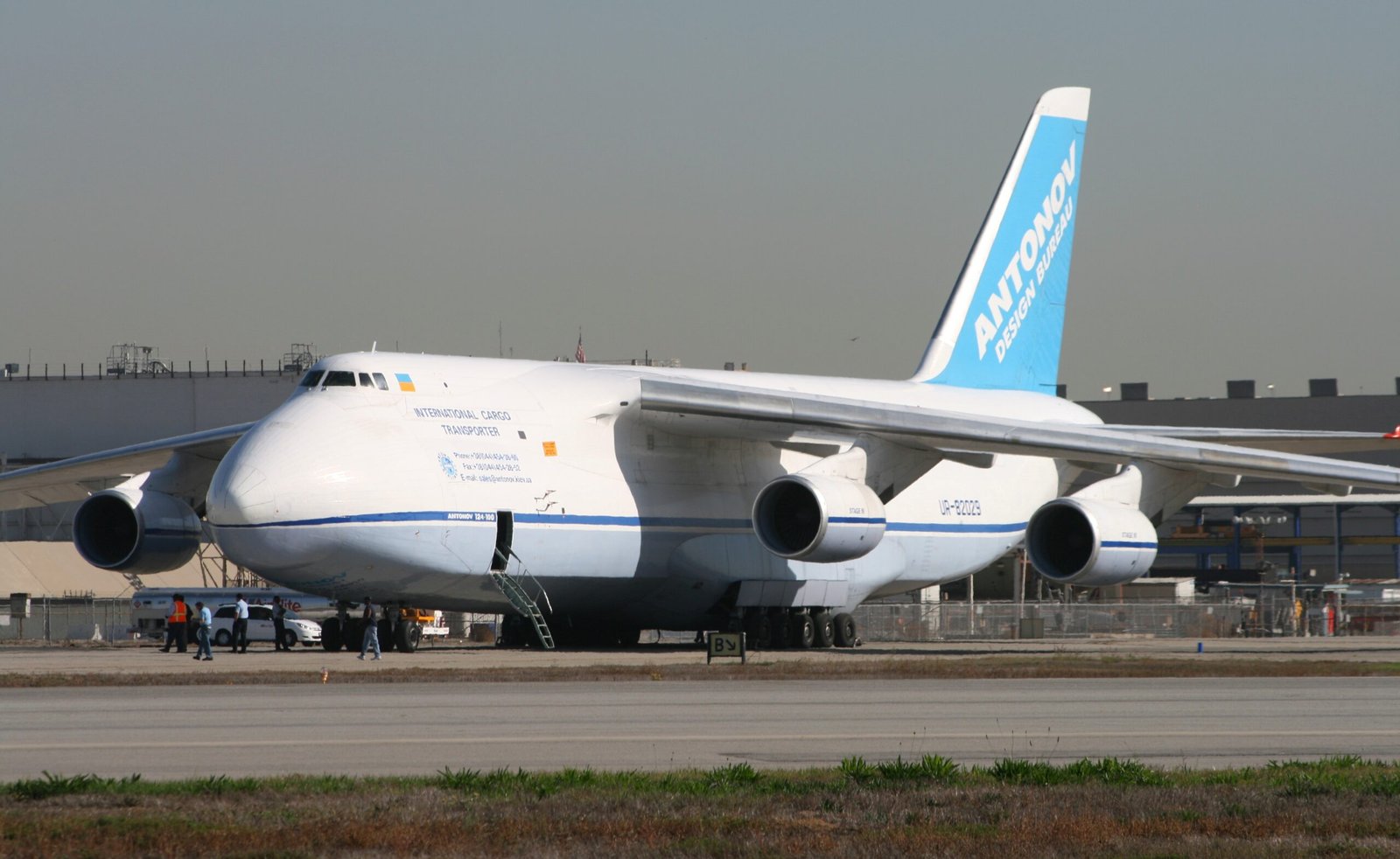
Antonov An-124 Ruslan – the world's second‑largest aircraft, a true giant of the skies
Overview
The Antonov An-124 Ruslan (NATO reporting name: Condor) is a strategic heavy‑lift cargo aircraft designed by the Antonov Design Bureau in the Soviet Union. First flown on 24 December 1982, it was developed to transport oversized and heavyweight cargo that could not be carried by conventional aircraft. With a maximum payload of 150,000 kg (330,000 lb), it is the world's second‑largest aircraft by payload capacity, surpassed only by its larger sibling, the Antonov An-225 Mriya.
Between 1982 and 2004, a total of 55 An-124 aircraft were built. Over 30 remain in active commercial and military service today, operated by airlines such as Volga-Dnepr, Antonov Airlines, and various air forces worldwide. The An-124 has played a critical role in global logistics, transporting everything from industrial machinery and railway locomotives to helicopters, ships, satellites, and humanitarian aid across intercontinental distances.
With its enormous cargo hold, nose‑ and tail‑loading capabilities, and long‑range performance, the An-124 remains the backbone of the global heavy‑lift air freight industry.
Specifications
Performance & Capabilities
The An-124 is powered by four Progress D-18T turbofan engines, each producing 51,400 lbf (229 kN) of thrust. This immense power allows the aircraft to take off at a maximum weight of 405,000 kg (893,000 lb) and cruise at speeds of up to 490 knots (910 km/h) at altitudes of 30,000–35,000 feet.
The aircraft's range varies significantly with payload. With a full 150‑tonne payload, the An-124 can fly approximately 4,500 km (2,800 miles). With a reduced payload of 40 tonnes, its range extends to 11,500 km (7,100 miles), enabling intercontinental missions without refuelling.
The An-124 is equipped with a sophisticated fly‑by‑wire flight control system, advanced navigation and communications equipment, and a comprehensive cargo handling system. Its ability to operate from unimproved runways and its four‑engined reliability make it a preferred choice for missions in remote and challenging environments.
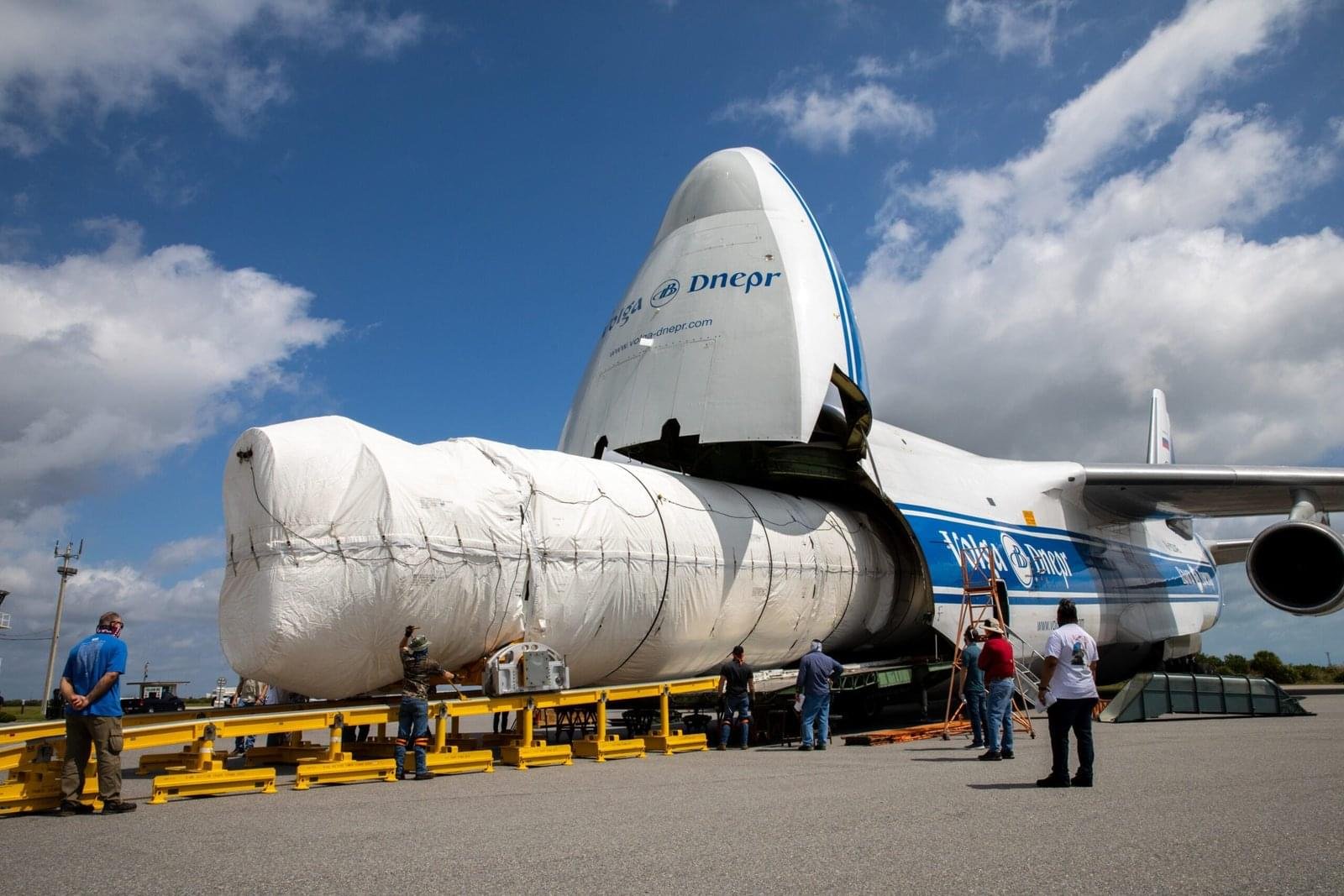
Massive cargo hold – designed for oversized cargo up to 40 metres long
Cargo Hold & Loading
The An-124 features one of the largest cargo holds of any aircraft, with impressive dimensions:
- Length: 36.0 m (118 ft) – expandable to 40 m (131 ft) with the cargo ramp open
- Width: 6.4 m (21 ft) – wide enough for oversized industrial equipment
- Height: 4.4 m (14 ft 5 in) – tall enough for helicopters and vehicles
- Volume: Approximately 1,160 m³ (41,000 cu ft)
The aircraft features both nose‑ and tail‑loading capabilities, allowing cargo to be loaded from either end. The nose gear kneels to lower the forward cargo floor, enabling roll‑on/roll‑off loading of heavy vehicles and equipment. A built‑in overhead crane system (rated at 30,000 kg) and winches facilitate loading of heavy and oversized items.
The An-124 can carry virtually any cargo that fits within its dimensions, including:
- Heavy industrial machinery and power plant equipment
- Railway locomotives and rolling stock
- Helicopters (up to two medium‑sized helicopters)
- Marine vessels and ship components
- Oil and gas equipment (drilling rigs, compressors)
- Satellites and space launch components
- Humanitarian aid and disaster relief supplies
- Military vehicles and equipment (tanks, armoured vehicles)
Mission Profiles
The An-124 is a versatile heavy‑lift platform used for a wide range of missions:
🛢️ Industrial & Energy Logistics
Transport of heavy industrial machinery, power plant equipment, and oil and gas components worldwide.
🚆 Oversized & Project Cargo
Railway locomotives, ships, and other oversized items that cannot be carried by conventional freight.
🚁 Aerospace & Satellite Transport
Transport of satellites, space station components, and aerospace equipment to launch sites.
🎯 Military & Government Logistics
Strategic airlift for military vehicles, equipment, and personnel on short notice.
🆘 Humanitarian & Disaster Relief
Rapid delivery of emergency supplies, shelter, and heavy equipment to disaster zones.
✈️ Aircraft & Helicopter Transport
Transport of up to two helicopters or one fixed‑wing aircraft in the cargo hold.
🌍 Global Logistics & Charter
Commercial charter operations for urgent, time‑sensitive, and oversized cargo worldwide.
🛠️ Infrastructure & Construction
Delivery of heavy construction equipment, bridge components, and infrastructure assets.
Operating Economics
The An-124 is a specialised heavy‑lift aircraft with correspondingly high operating costs. The following estimates are based on typical operator data and may vary significantly with fuel prices, routing, and cargo handling requirements.
All figures are estimates. Actual costs depend on route, fuel prices, insurance, crew, and cargo requirements.
Pros & Cons
✅ Advantages
- Massive payload capacity – 150,000 kg (330,000 lb)
- Enormous cargo hold – 40 m long × 6.4 m wide × 4.4 m high
- Nose‑ and tail‑loading capabilities for roll‑on/roll‑off
- Intercontinental range (11,500 km with reduced payload)
- Can carry virtually any oversized cargo
- Operates from unimproved runways
- Proven reliability with over 40 years of service
- Military and commercial versions available
⚠️ Considerations
- Very high operating costs ($25,000–$35,000/hour)
- Limited number of aircraft in service (30+ active)
- Requires specialised ground handling equipment
- Significant airport infrastructure required (long runway)
- No longer in production (production ended 2004)
- An ageing fleet with limited spare parts availability
- Stricter noise and emissions regulations impact operations
An-124 vs Competitors
How does the An-124 compare with other heavy‑lift aircraft?
| Model | Max Payload | Range (full payload) | Length | Wingspan | Key Strengths |
|---|---|---|---|---|---|
| Antonov An-124 | 150,000 kg | 4,500 km | 69.1 m | 73.3 m | Payload, oversized cargo, nose loading |
| Antonov An-225 Mriya | 250,000 kg | 4,500 km | 84.0 m | 88.4 m | Largest payload, unique (destroyed 2022) |
| Boeing C-17 Globemaster III | 77,500 kg | 4,400 km | 53.0 m | 51.8 m | Short‑field performance, military |
| Lockheed C-5M Super Galaxy | 127,500 kg | 5,500 km | 75.5 m | 67.9 m | Strategic airlift, US military |
| Boeing 747-8F | 134,000 kg | 7,600 km | 76.3 m | 68.4 m | Commercial freight, efficiency |
The An-124 remains the most capable dedicated heavy‑lift aircraft in active commercial service, offering an unmatched combination of payload, cargo hold dimensions, and operational flexibility.
Who Should Use the An-124?
The An-124 is the ideal solution for organisations requiring the transport of oversized and heavyweight cargo:
- Industrial corporations – Transporting heavy machinery, power plant equipment, and oil and gas components.
- Aerospace companies – Moving satellites, launch vehicles, and space station components.
- Military & government agencies – Strategic airlift for vehicles, equipment, and humanitarian missions.
- Charter logistics providers – Offering heavy‑lift air freight services to clients worldwide.
- Construction & infrastructure firms – Delivering heavy equipment to remote or challenging locations.
- Aircraft manufacturers – Transporting helicopters, aircraft components, and fuselage sections.
- Maritime operators – Shipping vessels, yacht components, and marine equipment.
If you need to move cargo that cannot be carried by conventional freighters, the An-124 is the proven solution. Contact SafeFly Aviation to discuss your heavy‑lift requirements.
Development Timeline
Global Operators
The An-124 is operated by a select group of airlines and military forces worldwide:
- Commercial operators: Volga-Dnepr Airlines (Russia), Antonov Airlines (Ukraine), Maximus Air Cargo (UAE).
- Military operators: Russian Air Force, Ukrainian Air Force, Libyan Air Force, and others.
- Charter providers: Various charter brokers and logistics companies offering An-124 services for urgent and oversized cargo.
- International aid organisations: Used for humanitarian relief missions by the UN, Red Cross, and other aid agencies.
Frequently Asked Questions
How much cargo can the Antonov An-124 carry?
The An-124 has a maximum payload capacity of 150,000 kg (330,000 lb), with the capability to carry oversized cargo up to 40 meters long and 6.4 meters wide.
What is the range of the An-124 with a full load?
The An-124 has a range of approximately 4,500 km (2,800 miles) with a 150-ton payload, and up to 11,500 km (7,100 miles) with a 40-ton payload.
How many An-124 aircraft have been built?
A total of 55 An-124 aircraft were built between 1982 and 2004. Over 30 remain in active commercial and military service worldwide.
What engines power the An-124?
The An-124 is powered by four Progress D-18T turbofan engines, each producing 51,400 lbf (229 kN) of thrust.
What is the cruise speed of the An-124?
The An-124 cruises at approximately 490 knots (910 km/h) at an altitude of 30,000–35,000 feet.
How does the An-124 compare with the Boeing C-17 Globemaster III?
The An-124 is significantly larger than the C-17, with nearly double the payload capacity (150 tons vs 77 tons) and a larger cargo hold. However, the C-17 has better short-field performance and is more numerous in active service.
Is the An-124 still in production?
Production of the An-124 ended in 2004. However, Antonov has proposed an updated version called the An-124-150, and there are plans for a modernised An-124M with new engines and avionics.
What types of cargo can the An-124 carry?
The An-124 can carry virtually any oversized cargo, including industrial machinery, locomotives, helicopters, ships, oil and gas equipment, satellites, humanitarian aid, and military vehicles.
Experience Heavy‑Lift Logistics with SafeFly Aviation
At SafeFly Aviation, we are committed to providing our clients with the best aviation solutions. The Antonov An-124 offers unparalleled heavy‑lift capability, reliability, and global reach – the ultimate solution for oversized and heavyweight cargo.
Contact us today to learn more about the An-124 and how it can meet your heavy‑lift logistics needs.
📞 +91 78400 00473 · ✉️ info@safefly.aero
Conclusion
The Antonov An-124 Ruslan remains one of the most remarkable aircraft ever built – a true giant of the skies that has revolutionised the transport of oversized and heavyweight cargo. With a payload capacity of 150 tonnes, a cavernous cargo hold, and intercontinental range, it has become the backbone of global heavy‑lift logistics.
From industrial machinery and satellites to helicopters and humanitarian aid, the An-124 has proven its worth across every continent and in the most demanding conditions. While production has ended, the aircraft continues to serve with distinction, with over 30 units still flying for military and commercial operators worldwide.
At SafeFly Aviation, we are proud to offer An-124 charter services as part of our heavy‑lift logistics portfolio. Whether you need to move a single piece of oversized equipment or manage a complex supply chain, our experienced team is ready to help. Visit safefly.aero today to schedule a consultation or request a charter quote.
SafeFly Aviation – Your Partner in the Skies.