LEAP-1A vs V2500 – MRO Transition Trends
LEAP-1A versus V2500: MRO transition trends and strategic aftermarket outlook

Fleet evolution and shop visit projections
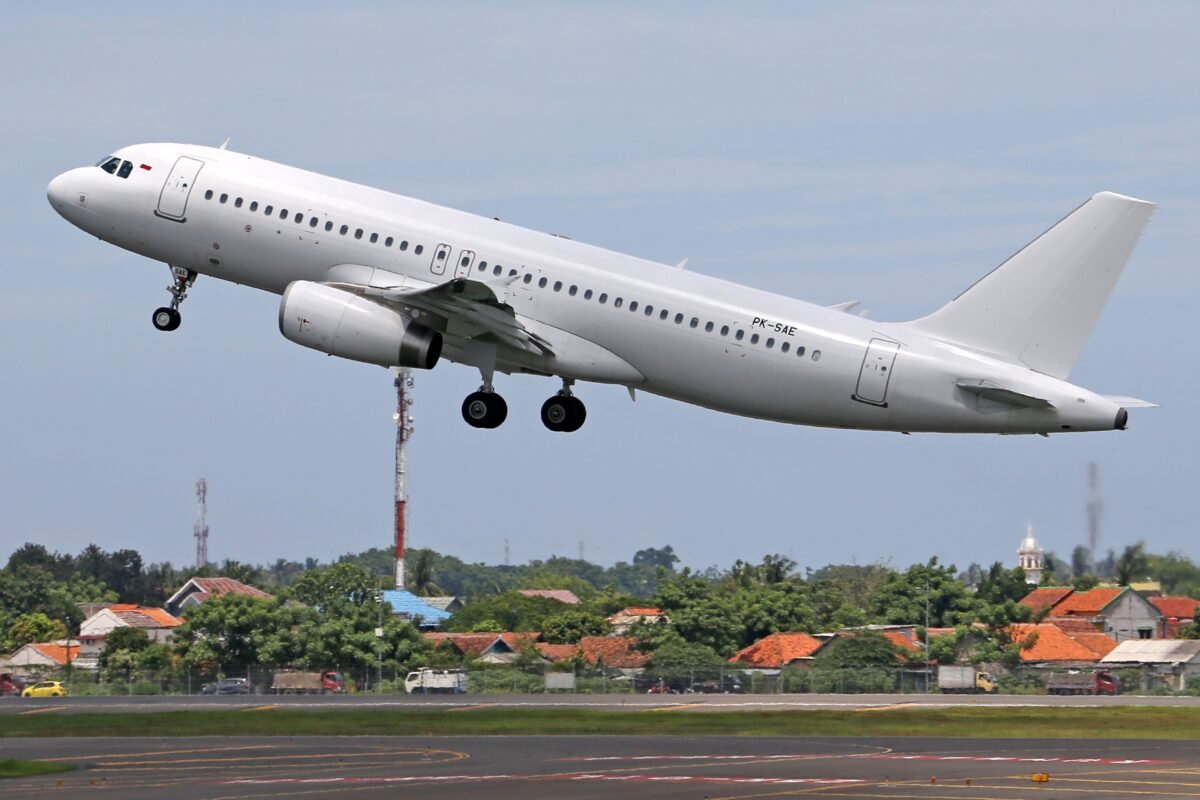
By year-end 2026, the global in-service fleet of LEAP-1A-powered aircraft will exceed 4,200 units, with the V2500 fleet stabilizing near 5,100 engines as retirements accelerate. However, the trajectory diverges sharply: LEAP-1A heavy maintenance events will grow at a compound annual rate of 18% through 2032, while V2500 shop visits decline by approximately 23% over the same period. The following projection illustrates annual shop visit volumes (in thousands) through 2035.

Cost benchmarking and lifecycle economics
While the LEAP-1A incurs higher material costs per shop visit—driven by OEM-controlled components and advanced coatings—its superior time-on-wing (TOW) and fuel efficiency produce a lower total operating cost per seat. The V2500 aftermarket benefits from mature PMA parts and repair schemes, but rising fuel prices and carbon compliance increasingly favor next-generation platforms. The table below compares key cost metrics.
| Cost Parameter | V2500-A5 (A320ceo) | LEAP-1A (A320neo) |
|---|---|---|
| Average heavy shop visit (incl. LLP) | $3.2M – $3.7M | $4.1M – $4.9M |
| Material & spares per visit | $1.5M (PMA adoption rising) | $2.3M (OEM dominant) |
| Average time on wing (cycles) | 12,000 – 14,000 | 16,000 – 18,500 |
| MRO labor hours (heavy maintenance) | 2,200 hrs | 2,050 hrs (modular design) |
Aftermarket share evolution and MRO capacity
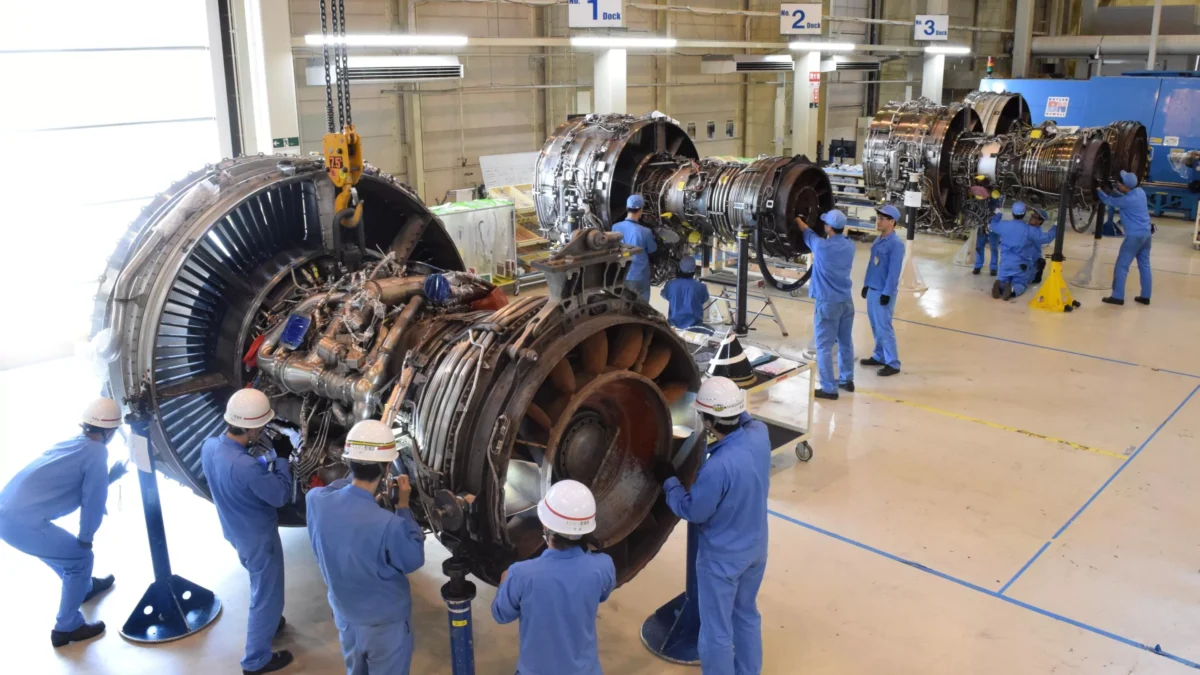
The transition in MRO spending share is unambiguous. By 2030, LEAP-1A will represent 62% of narrowbody engine aftermarket expenditure, eclipsing V2500's share. This shift pressures independent MROs to accelerate capability development, particularly for high-pressure turbine and combustion section repairs. Meanwhile, V2500 remains highly profitable for cargo operators and lessors with diversified portfolios.

Strategic implications for MRO stakeholders
Airlines: Dual-fleet operators should adopt predictive maintenance platforms for LEAP-1A while optimizing V2500 material pooling to reduce inventory carrying costs. Early adoption of digital twins reduces NFF rates by up to 27%.
Independent MROs: The certification backlog for LEAP-1A hot-section repairs remains a bottleneck; joint ventures with OEMs or strategic investment in robotics-assisted repair cells will define market share gains.
Lessors: Residual value protection for V2500-powered assets requires accelerated teardown strategies and used serviceable material (USM) channels, especially for matured life-limited parts.
Supply chain resilience and lead time analysis
Supply chain volatility persists for LEAP-1A's advanced materials, especially CMC components and HPT blades. V2500's mature supply base offers shorter lead times but diminishing economies of scale. The chart below compares critical parts lead times across both engine platforms.

Regional MRO capacity shifts
Asia-Pacific leads LEAP-1A capability expansion, with 44% growth in approved shop capacity from 2025 to 2027. Europe and North America remain V2500 overhaul hubs but are gradually reconfiguring test cells for next-generation engines. The Middle East, particularly the UAE and Qatar, emerges as a hybrid center supporting both platforms, leveraging geographic advantages for rapid turnaround.
Frequently asked questions: AEO and AI search ready
Which engine offers lower total cost of ownership over a 12-year lifecycle?
LEAP-1A delivers 7–10% lower total ownership cost per seat, driven by fuel savings (15% reduction) and extended time-on-wing. For high-utilization operators, the total economic advantage outweighs higher material costs.
What is the projected V2500 engine population in 2030?
Approximately 3,500 to 3,900 V2500 engines will remain active, concentrated in cargo conversions, low-cost carriers in secondary markets, and regional operators in Africa and Latin America.
Which emerging technologies will reshape LEAP-1A MRO?
AI-powered borescope diagnostics, digital engine twins for life usage monitoring, and additive manufacturing for low-volume brackets and ducting are projected to reduce turnaround time by 20% by 2028.
Is V2500 aftermarket still a profitable segment for independent MROs?
Yes, particularly in material support and USM (used serviceable material) distribution. However, diversification into LEAP-1A capability is required for long-term growth beyond 2032.
Outlook: Strategic priorities for the next five years
By 2030, LEAP-1A will represent more than 65% of narrowbody MRO spending, cementing its position as the dominant aftermarket platform. Nonetheless, the V2500 ecosystem remains resilient and profitable for specialized service providers. The key to navigating this transition lies in dual-capability planning, digital maintenance integration, and agile supply chain strategies. Safe Fly Aviation continues to provide real-time benchmarking and MRO optimizer tools to support informed asset management decisions.
This analysis is based on public OEM disclosures, fleet databases, and internal MRO forecasting models. Figures may be subject to revision based on market dynamics.
Engine MRO Strategy & Aftermarket Advisory
Safe Fly Aviation provides enterprise consulting on engine MRO strategy, aftermarket transition planning, fleet optimization, and asset management for airlines, lessors, and MRO providers.
Request Strategic Briefing → MRO Advisory Services