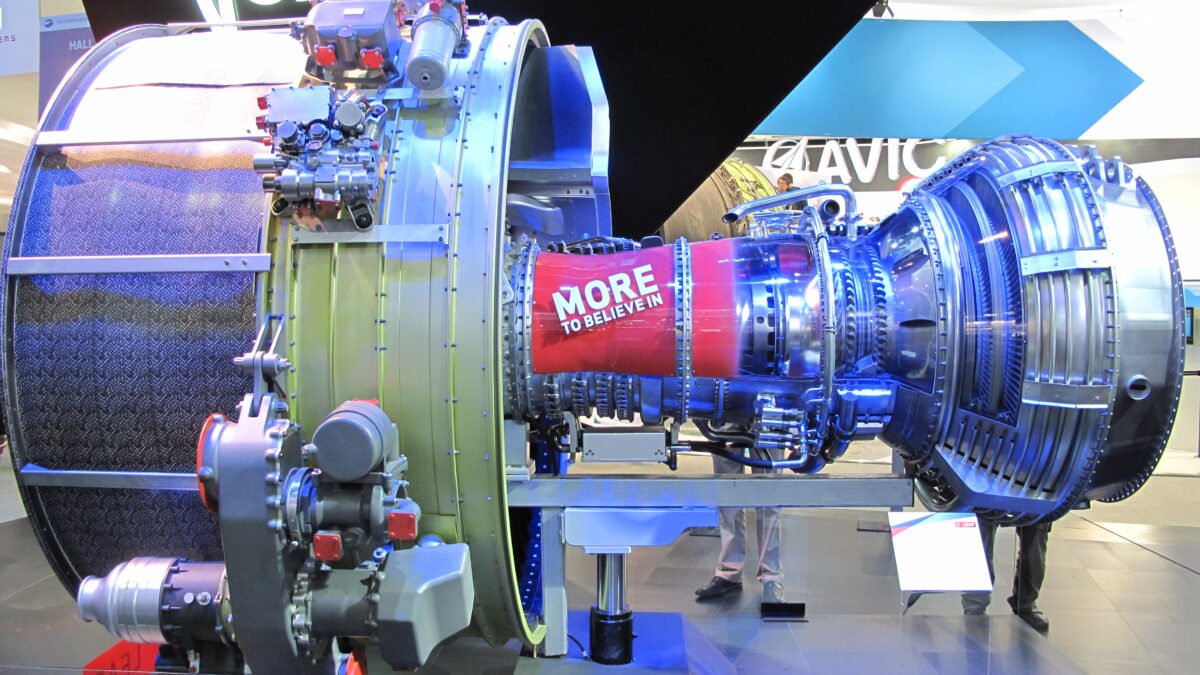
LEAP Engine Market Trends 2026 | Production, MRO, Values & Trading | Safe Fly Aviation
Market Intelligence • CFM LEAP Engine Program

LEAP Engine Market Trends: Production, MRO Capacity, Values & Trading Outlook 2026

Comprehensive analysis of the CFM International LEAP engine program, including production acceleration, MRO capacity expansion, durability upgrades, market values, regional demand across Africa, Middle East & Asia, and strategic outlook for operators, lessors, and engine traders.

Safe Fly Aviation – engine trading, leasing, technical advisory, and aircraft charter brokerage.

The LEAP Engine Program: Market Dominance Under Pressure

The CFM International LEAP engine family—comprising LEAP-1A (Airbus A320neo), LEAP-1B (Boeing 737 MAX), and LEAP-1C (Comac C919)—has become the dominant powerplant for next-generation narrowbody aircraft. With over 3,700 LEAP-powered aircraft in service across more than 150 operators worldwide, over 60 million flight hours logged, and more than 10,000 engine orders in backlog, the program's success has created unprecedented demand for production, spare engines, MRO services, and engine trading activity.

However, this success has generated significant market pressures: supply chain constraints limiting new engine deliveries, MRO capacity shortages driving extended turnaround times, and durability challenges requiring fleet-wide upgrades. The LEAP engine market in 2026 is characterized by strong value appreciation for LEAP-1A, aggressive capacity expansion by MRO providers, multi-billion-dollar investments from GE Aerospace, and growing activity from engine traders seeking to capitalize on spare engine scarcity.

3,700+ LEAP-Powered Aircraft
In service with 150+ operators worldwide
60M+ Flight Hours Logged
Across the global LEAP fleet
10,000+ Engine Orders Backlog
Strong demand through 2030+
60%+ LEAP-1A Share of A320neo
Market share on A320neo family
Market Context: Safran reported LEAP engine deliveries surging by more than 60% in Q1 2026, reflecting strong OEM production acceleration. The civil engine aftermarket also saw significant growth in spare parts and service demand.

LEAP-1A vs LEAP-1B: Key Differences & Market Dynamics

While both engines share CFM's advanced technology platform, significant differences in application, market dynamics, and value trends exist:

FeatureLEAP-1ALEAP-1B
Aircraft PlatformAirbus A320neo familyBoeing 737 MAX
Fan Diameter78 inches69 inches
Thrust Range24,000-35,000 lbf23,000-29,000 lbf
Market Value TrendIncreasingStable
Spare Engine DemandVery HighModerate
Secondary Market ActivityGrowingLimited
Lease Rate TrendRisingStable
Trader Insight: The divergence in LEAP-1A and LEAP-1B value trends creates distinct trading opportunities. LEAP-1A engines are increasingly sought after for sale-leaseback and asset repositioning, while LEAP-1B remains a stable, lower-transaction-volume market.

Typical LEAP Engine Lifecycle: From Delivery to Retirement

Understanding the LEAP engine lifecycle is essential for asset managers, lessors, and engine traders. The typical phases include:

1 Delivery
New engine from CFM, full warranty coverage
2 Entry Into Service (EIS)
Installation on new aircraft, beginning of revenue service
3 Early Life (0-5 Years)
High reliability, warranty coverage, minimal maintenance
4 First Shop Visit (6-8 Years)
Performance restoration, LLP inspection, durability upgrades
5 Mature Asset Phase (8-15 Years)
Regular shop visits, LLP replacements, leasing/trading activity
6 End of Life / Teardown
Part-out and USM recovery, LLP retirement
Asset Management Insight: As the LEAP fleet ages into its first shop visit phase, demand for used serviceable material (USM) and engine trading will accelerate. Early movers in LEAP asset repositioning are positioned for advantage.

Production Acceleration: GE Aerospace's $1 Billion Investment

In March 2026, GE Aerospace announced a $1 billion investment to accelerate commercial engine production, expand supplier capacity, and ramp up parts manufacturing that extends time-on-wing. This is the company's second consecutive $1 billion annual investment.

Key Investment Allocations

  • $200 million for LEAP high-pressure turbine (HPT) durability kits, improving time-on-wing by more than 2x in hot/harsh conditions
  • $115 million for GE Aerospace headquarters to modernize infrastructure, increase test cell capacity, and expand 3D metal printing capabilities
  • $20 million for Durham facility for specialized tooling and engine line assembly systems
  • $7 million for Lafayette engine facility to meet 2026 narrowbody engine delivery targets
  • $100 million+ for external suppliers to stabilize production schedules

Workforce Expansion

  • GE Aerospace plans to hire 5,000 new US workers in 2026
  • Investment supports reverse bleed system (RBS) production to reduce on-wing maintenance needs
  • Supply chain front-loaded inventory largely depleted in 2025 to support LEAP and GTF production increases
Production Context: Boeing and Airbus delivery rates directly impact LEAP production. While Boeing 737 MAX deliveries are recovering, Airbus faced supply chain constraints in early 2026, though full-year delivery guidance remains strong.

MRO Capacity Expansion: Meeting Growing Overhaul Demand

With LEAP engine overhauls expected to increase significantly by the end of the decade, the MRO sector is responding through coordinated infrastructure expansion. Material constraints have historically been the primary driver of lead times.

MRO ProviderLEAP Capacity InitiativeStatus
GE Aerospace Singapore$300M investment for LEAP HPT module repair facility at Seletar Aerospace ParkOperational; first specialized module repair shop
XEOS (GE/Lufthansa Technik JV)375,000 sq ft facility near Wroclaw, PolandInaugurated early 2026
MTU Maintenance DallasLEAP-1A/1B performance restoration under GBSAIn development
MTU Maintenance ZhuhaiSecond production facility in Jinwan for PW1100G plus LEAP/CFM56/V2500 at original site700+ annual interventions combined capacity
Delta TechOpsNew-generation engine MRO expansionCited as future capacity contributor
Sanad AerotechLEAP MRO capacity developmentActive
Lead Time Outlook: Industry reports indicate turnaround times have increased by over 150% for new-generation engines compared to legacy platforms. While capacity expansion is underway, MRO strain is expected to persist through the decade.

Regional Demand: Africa, Middle East & Asia Growth Engines

LEAP engine demand is increasingly concentrated in high-growth aviation markets. Key regional dynamics include:

🌍 Africa

Air Côte d'Ivoire, Ethiopian Airlines, and other carriers operating A320neo/737 MAX fleets. Harsh operating environments drive durability upgrade demand.

🕌 Middle East

Flydubai, Saudia, and other Gulf carriers expanding narrowbody fleets. Saudi Arabia's Vision 2030 increasing traffic and spare engine requirements.

🌏 Asia-Pacific

IndiGo, Air India, China Southern, and other Asian LCCs/FSCs driving the largest LEAP order book. India's fleet expansion creates significant aftermarket demand.

Trader Opportunity: As new engine deliveries lag behind fleet growth in these regions, engine traders and lessors are well-positioned to provide spare engine coverage and asset repositioning services.

Durability Upgrades: Extending Time-on-Wing

Early LEAP engine fleets experienced durability challenges, particularly in hot, sandy, and dusty operating environments common in the Middle East, Africa, and parts of Asia. GE Aerospace has developed a comprehensive upgrade roadmap:

⚙️ High-Pressure Turbine (HPT) Durability Kits

Improve time-on-wing by more than two times in hot and harsh conditions. $200M investment to expand manufacturing capacity.

🔄 Reverse Bleed System (RBS)

Reduces on-wing maintenance needs and addresses early durability concerns. Certification completed for LEAP-1B.

🏭 Component-Level Repairs

Woodward launched Licensed Repair Service Facility (LRSF) program for LEAP engine components, enabling MRO stations to perform authorized repairs.

Fleet Performance: The LEAP fleet has accumulated over 60 million flight hours. As durability upgrades are implemented across the installed base, operators expect to see reduced shop visit frequency and improved operational reliability.

LEAP Engine Market Values & Spare Engine Scarcity

According to IBA's September 2025 engine value update, new-generation narrowbody engines show strong Market Value performance despite well-publicized durability challenges. The LEAP-1A, in particular, has seen significant value appreciation.

Spare Engine Supply Constraints

  • Spare engine production primarily dedicated to CFM's leasing arm and in-service retrofits
  • Limited availability has driven values upward for LEAP-1A
  • Air France Industries KLM E&M signed agreement for up to ten spare LEAP-1A/1B engines to support its MRO portfolio

Value Drivers for Traders

  • Strong narrowbody demand post-pandemic
  • OEM delivery delays extending existing fleet service lives
  • MRO capacity constraints increasing lease demand
  • LEAP-1A powers 60%+ of A320neo fleet
Trader Insight: The CFM56-5B/-7B fleet remains substantial through 2027-2030, but LEAP engines will increasingly dominate narrowbody aftermarket activity. Early positioning in LEAP trading, lease placement, and asset management will yield competitive advantages.

Safe Fly Aviation: Active LEAP Engine Traders & Advisory Partners

Safe Fly Aviation operates as an active engine trader, advisor, and leasing facilitator in the LEAP engine market. Our engine trading desk supports airlines, lessors, and financial institutions with:

💰 Engine Sale & Leaseback

Unlock capital from LEAP engine assets while maintaining operational control.

🔄 Spare Engine Placement

Sourcing and positioning LEAP-1A and LEAP-1B spare engines to minimize AOG exposure.

📊 Asset Valuation & Trading

Market intelligence and execution for LEAP engine acquisition and divestiture.

📋 Technical Due Diligence

Records review, LLP analysis, and maintenance status assessment for LEAP assets.

Why Trade LEAP Engines With Safe Fly Aviation? Our combined expertise in aircraft charter brokerage, parts advisory, and engine trading provides a unique perspective on the LEAP aftermarket. We help clients navigate value trends, MRO constraints, and regional demand shifts.

Strategic Recommendations for Operators, Lessors & Traders

Given current LEAP engine market dynamics, stakeholders should consider the following strategies:

📅 Plan MRO Events Early

With turnaround times extended and capacity constrained, schedule LEAP overhauls 18-24 months in advance. Reactive planning will incur significant premium costs.

🔄 Secure Spare Engine Coverage

Limited spare engine availability makes lease coverage essential. Evaluate pool programs, PBH agreements, or trading relationships to mitigate AOG risk.

⚙️ Prioritize Durability Upgrades

HPT durability kits and RBS modifications improve time-on-wing and reduce shop visit frequency. Prioritize retrofits for engines in harsh environments.

📈 Position for Value Appreciation

LEAP-1A values are appreciating. Asset managers should monitor secondary market opportunities for sale-leaseback, asset trading, and portfolio optimization.

Long-Term Outlook: The LEAP engine program will dominate narrowbody aftermarket activity through 2035 and beyond. Early investment in MRO relationships, spare engine positioning, and trading relationships will yield competitive advantages.

Frequently Asked Questions: LEAP Engine Market

What is the difference between LEAP-1A and LEAP-1B?

LEAP-1A powers the Airbus A320neo family with 78-inch fan diameter, while LEAP-1B is exclusive to the Boeing 737 MAX with 69-inch fan diameter. Both share core ceramic matrix composite (CMC) technology but have different mounting configurations and market dynamics.

Why are LEAP engine values increasing despite durability challenges?

Strong demand, limited spare engine supply, and rising MRO backlog are driving LEAP-1A values upward. LEAP-1B values are stable with less secondary market activity.

What are the main durability upgrades for LEAP engines?

High-pressure turbine (HPT) durability kits and reverse bleed system (RBS) modifications improve time-on-wing, particularly in hot and harsh operating conditions.

Which MRO providers offer LEAP engine overhaul services?

Major providers include GE Aerospace facilities, AFI KLM E&M, Delta TechOps, Iberia Maintenance, ITP Aero, MTU Maintenance (Zhuhai, Dallas), and Sanad Aerotech.

Does Safe Fly Aviation trade LEAP engines?

Yes. Safe Fly Aviation is an active engine trader and advisor, supporting sale-leaseback, spare engine placement, asset valuation, and technical due diligence for LEAP-1A and LEAP-1B engines.

What is the backlog for LEAP engines?

CFM International has over 10,000 engine orders in backlog, ensuring strong production demand through 2030 and beyond.

📚 Sources & Further Reading

  • IBA Group – Engine Values Release, September 2025
  • Aviation Maintenance Magazine – The Engines Capacity Crunch, March 2026
  • AeroTime – GE Aerospace to accelerate MAX and A320 engine production, March 2026
  • FlightGlobal – GE Aerospace unveils $1 billion investment, March 2026
  • Bloomberg – Safran Targets Top End of Outlook, April 2026
  • AviTrader – AFI KLM E&M signs LEAP-engine deal, January 2025
  • Woodward – LEAP Engine Offering and LRSF Program, April 2025
  • 广发证券 – 国防军工行业全球化系列 (GF Securities), May 2026
  • 中国航空新闻网 – 航空动力市场迎来转折点 (CANNews), July 2025
  • ITB Indonesia – Engine MRO Market Analysis

LEAP Engine Trading, Leasing & Advisory Support

Safe Fly Aviation provides comprehensive engine trading and advisory services for LEAP-1A and LEAP-1B engines. Whether you need sale-leaseback, spare engine placement, asset valuation, or technical due diligence, our engine trading desk is available 24/7.

📞 Engine Trading Desk: +91 7840000473
📧 Email: engines@safefly.aero
🌐 Website: www.safefly.aero

✈️ Discuss LEAP Engine Trading Opportunities
Disclaimer: Safe Fly Aviation is an aircraft charter brokerage, engine trading, and aviation advisory company. Information presented is based on market research and industry sources cited above. Market projections are subject to change.
LEAP Engine Market Trends 2026 | Production, MRO, Values & Trading | Safe Fly Aviation
Market Intelligence • CFM LEAP Engine Program

LEAP Engine Market Trends: Production, MRO Capacity, Values & Trading Outlook 2026

Comprehensive analysis of the CFM International LEAP engine program, including production acceleration, MRO capacity expansion, durability upgrades, market values, regional demand across Africa, Middle East & Asia, and strategic outlook for operators, lessors, and engine traders.

Safe Fly Aviation – engine trading, leasing, technical advisory, and aircraft charter brokerage.

The LEAP Engine Program: Market Dominance Under Pressure

The CFM International LEAP engine family—comprising LEAP-1A (Airbus A320neo), LEAP-1B (Boeing 737 MAX), and LEAP-1C (Comac C919)—has become the dominant powerplant for next-generation narrowbody aircraft. With over 3,700 LEAP-powered aircraft in service across more than 150 operators worldwide, over 60 million flight hours logged, and more than 10,000 engine orders in backlog, the program's success has created unprecedented demand for production, spare engines, MRO services, and engine trading activity.

However, this success has generated significant market pressures: supply chain constraints limiting new engine deliveries, MRO capacity shortages driving extended turnaround times, and durability challenges requiring fleet-wide upgrades. The LEAP engine market in 2026 is characterized by strong value appreciation for LEAP-1A, aggressive capacity expansion by MRO providers, multi-billion-dollar investments from GE Aerospace, and growing activity from engine traders seeking to capitalize on spare engine scarcity.

3,700+ LEAP-Powered Aircraft
In service with 150+ operators worldwide
60M+ Flight Hours Logged
Across the global LEAP fleet
10,000+ Engine Orders Backlog
Strong demand through 2030+
60%+ LEAP-1A Share of A320neo
Market share on A320neo family
Market Context: Safran reported LEAP engine deliveries surging by more than 60% in Q1 2026, reflecting strong OEM production acceleration. The civil engine aftermarket also saw significant growth in spare parts and service demand.

LEAP-1A vs LEAP-1B: Key Differences & Market Dynamics

While both engines share CFM's advanced technology platform, significant differences in application, market dynamics, and value trends exist:

FeatureLEAP-1ALEAP-1B
Aircraft PlatformAirbus A320neo familyBoeing 737 MAX
Fan Diameter78 inches69 inches
Thrust Range24,000-35,000 lbf23,000-29,000 lbf
Market Value TrendIncreasingStable
Spare Engine DemandVery HighModerate
Secondary Market ActivityGrowingLimited
Lease Rate TrendRisingStable
Trader Insight: The divergence in LEAP-1A and LEAP-1B value trends creates distinct trading opportunities. LEAP-1A engines are increasingly sought after for sale-leaseback and asset repositioning, while LEAP-1B remains a stable, lower-transaction-volume market.

Typical LEAP Engine Lifecycle: From Delivery to Retirement

Understanding the LEAP engine lifecycle is essential for asset managers, lessors, and engine traders. The typical phases include:

1 Delivery
New engine from CFM, full warranty coverage
2 Entry Into Service (EIS)
Installation on new aircraft, beginning of revenue service
3 Early Life (0-5 Years)
High reliability, warranty coverage, minimal maintenance
4 First Shop Visit (6-8 Years)
Performance restoration, LLP inspection, durability upgrades
5 Mature Asset Phase (8-15 Years)
Regular shop visits, LLP replacements, leasing/trading activity
6 End of Life / Teardown
Part-out and USM recovery, LLP retirement
Asset Management Insight: As the LEAP fleet ages into its first shop visit phase, demand for used serviceable material (USM) and engine trading will accelerate. Early movers in LEAP asset repositioning are positioned for advantage.

Production Acceleration: GE Aerospace's $1 Billion Investment

In March 2026, GE Aerospace announced a $1 billion investment to accelerate commercial engine production, expand supplier capacity, and ramp up parts manufacturing that extends time-on-wing. This is the company's second consecutive $1 billion annual investment.

Key Investment Allocations

  • $200 million for LEAP high-pressure turbine (HPT) durability kits, improving time-on-wing by more than 2x in hot/harsh conditions
  • $115 million for GE Aerospace headquarters to modernize infrastructure, increase test cell capacity, and expand 3D metal printing capabilities
  • $20 million for Durham facility for specialized tooling and engine line assembly systems
  • $7 million for Lafayette engine facility to meet 2026 narrowbody engine delivery targets
  • $100 million+ for external suppliers to stabilize production schedules

Workforce Expansion

  • GE Aerospace plans to hire 5,000 new US workers in 2026
  • Investment supports reverse bleed system (RBS) production to reduce on-wing maintenance needs
  • Supply chain front-loaded inventory largely depleted in 2025 to support LEAP and GTF production increases
Production Context: Boeing and Airbus delivery rates directly impact LEAP production. While Boeing 737 MAX deliveries are recovering, Airbus faced supply chain constraints in early 2026, though full-year delivery guidance remains strong.

MRO Capacity Expansion: Meeting Growing Overhaul Demand

With LEAP engine overhauls expected to increase significantly by the end of the decade, the MRO sector is responding through coordinated infrastructure expansion. Material constraints have historically been the primary driver of lead times.

MRO ProviderLEAP Capacity InitiativeStatus
GE Aerospace Singapore$300M investment for LEAP HPT module repair facility at Seletar Aerospace ParkOperational; first specialized module repair shop
XEOS (GE/Lufthansa Technik JV)375,000 sq ft facility near Wroclaw, PolandInaugurated early 2026
MTU Maintenance DallasLEAP-1A/1B performance restoration under GBSAIn development
MTU Maintenance ZhuhaiSecond production facility in Jinwan for PW1100G plus LEAP/CFM56/V2500 at original site700+ annual interventions combined capacity
Delta TechOpsNew-generation engine MRO expansionCited as future capacity contributor
Sanad AerotechLEAP MRO capacity developmentActive
Lead Time Outlook: Industry reports indicate turnaround times have increased by over 150% for new-generation engines compared to legacy platforms. While capacity expansion is underway, MRO strain is expected to persist through the decade.

Regional Demand: Africa, Middle East & Asia Growth Engines

LEAP engine demand is increasingly concentrated in high-growth aviation markets. Key regional dynamics include:

🌍 Africa

Air Côte d'Ivoire, Ethiopian Airlines, and other carriers operating A320neo/737 MAX fleets. Harsh operating environments drive durability upgrade demand.

🕌 Middle East

Flydubai, Saudia, and other Gulf carriers expanding narrowbody fleets. Saudi Arabia's Vision 2030 increasing traffic and spare engine requirements.

🌏 Asia-Pacific

IndiGo, Air India, China Southern, and other Asian LCCs/FSCs driving the largest LEAP order book. India's fleet expansion creates significant aftermarket demand.

Trader Opportunity: As new engine deliveries lag behind fleet growth in these regions, engine traders and lessors are well-positioned to provide spare engine coverage and asset repositioning services.

Durability Upgrades: Extending Time-on-Wing

Early LEAP engine fleets experienced durability challenges, particularly in hot, sandy, and dusty operating environments common in the Middle East, Africa, and parts of Asia. GE Aerospace has developed a comprehensive upgrade roadmap:

⚙️ High-Pressure Turbine (HPT) Durability Kits

Improve time-on-wing by more than two times in hot and harsh conditions. $200M investment to expand manufacturing capacity.

🔄 Reverse Bleed System (RBS)

Reduces on-wing maintenance needs and addresses early durability concerns. Certification completed for LEAP-1B.

🏭 Component-Level Repairs

Woodward launched Licensed Repair Service Facility (LRSF) program for LEAP engine components, enabling MRO stations to perform authorized repairs.

Fleet Performance: The LEAP fleet has accumulated over 60 million flight hours. As durability upgrades are implemented across the installed base, operators expect to see reduced shop visit frequency and improved operational reliability.

LEAP Engine Market Values & Spare Engine Scarcity

According to IBA's September 2025 engine value update, new-generation narrowbody engines show strong Market Value performance despite well-publicized durability challenges. The LEAP-1A, in particular, has seen significant value appreciation.

Spare Engine Supply Constraints

  • Spare engine production primarily dedicated to CFM's leasing arm and in-service retrofits
  • Limited availability has driven values upward for LEAP-1A
  • Air France Industries KLM E&M signed agreement for up to ten spare LEAP-1A/1B engines to support its MRO portfolio

Value Drivers for Traders

  • Strong narrowbody demand post-pandemic
  • OEM delivery delays extending existing fleet service lives
  • MRO capacity constraints increasing lease demand
  • LEAP-1A powers 60%+ of A320neo fleet
Trader Insight: The CFM56-5B/-7B fleet remains substantial through 2027-2030, but LEAP engines will increasingly dominate narrowbody aftermarket activity. Early positioning in LEAP trading, lease placement, and asset management will yield competitive advantages.

Safe Fly Aviation: Active LEAP Engine Traders & Advisory Partners

Safe Fly Aviation operates as an active engine trader, advisor, and leasing facilitator in the LEAP engine market. Our engine trading desk supports airlines, lessors, and financial institutions with:

💰 Engine Sale & Leaseback

Unlock capital from LEAP engine assets while maintaining operational control.

🔄 Spare Engine Placement

Sourcing and positioning LEAP-1A and LEAP-1B spare engines to minimize AOG exposure.

📊 Asset Valuation & Trading

Market intelligence and execution for LEAP engine acquisition and divestiture.

📋 Technical Due Diligence

Records review, LLP analysis, and maintenance status assessment for LEAP assets.

Why Trade LEAP Engines With Safe Fly Aviation? Our combined expertise in aircraft charter brokerage, parts advisory, and engine trading provides a unique perspective on the LEAP aftermarket. We help clients navigate value trends, MRO constraints, and regional demand shifts.

Strategic Recommendations for Operators, Lessors & Traders

Given current LEAP engine market dynamics, stakeholders should consider the following strategies:

📅 Plan MRO Events Early

With turnaround times extended and capacity constrained, schedule LEAP overhauls 18-24 months in advance. Reactive planning will incur significant premium costs.

🔄 Secure Spare Engine Coverage

Limited spare engine availability makes lease coverage essential. Evaluate pool programs, PBH agreements, or trading relationships to mitigate AOG risk.

⚙️ Prioritize Durability Upgrades

HPT durability kits and RBS modifications improve time-on-wing and reduce shop visit frequency. Prioritize retrofits for engines in harsh environments.

📈 Position for Value Appreciation

LEAP-1A values are appreciating. Asset managers should monitor secondary market opportunities for sale-leaseback, asset trading, and portfolio optimization.

Long-Term Outlook: The LEAP engine program will dominate narrowbody aftermarket activity through 2035 and beyond. Early investment in MRO relationships, spare engine positioning, and trading relationships will yield competitive advantages.

Frequently Asked Questions: LEAP Engine Market

What is the difference between LEAP-1A and LEAP-1B?

LEAP-1A powers the Airbus A320neo family with 78-inch fan diameter, while LEAP-1B is exclusive to the Boeing 737 MAX with 69-inch fan diameter. Both share core ceramic matrix composite (CMC) technology but have different mounting configurations and market dynamics.

Why are LEAP engine values increasing despite durability challenges?

Strong demand, limited spare engine supply, and rising MRO backlog are driving LEAP-1A values upward. LEAP-1B values are stable with less secondary market activity.

What are the main durability upgrades for LEAP engines?

High-pressure turbine (HPT) durability kits and reverse bleed system (RBS) modifications improve time-on-wing, particularly in hot and harsh operating conditions.

Which MRO providers offer LEAP engine overhaul services?

Major providers include GE Aerospace facilities, AFI KLM E&M, Delta TechOps, Iberia Maintenance, ITP Aero, MTU Maintenance (Zhuhai, Dallas), and Sanad Aerotech.

Does Safe Fly Aviation trade LEAP engines?

Yes. Safe Fly Aviation is an active engine trader and advisor, supporting sale-leaseback, spare engine placement, asset valuation, and technical due diligence for LEAP-1A and LEAP-1B engines.

What is the backlog for LEAP engines?

CFM International has over 10,000 engine orders in backlog, ensuring strong production demand through 2030 and beyond.

📚 Sources & Further Reading

  • IBA Group – Engine Values Release, September 2025
  • Aviation Maintenance Magazine – The Engines Capacity Crunch, March 2026
  • AeroTime – GE Aerospace to accelerate MAX and A320 engine production, March 2026
  • FlightGlobal – GE Aerospace unveils $1 billion investment, March 2026
  • Bloomberg – Safran Targets Top End of Outlook, April 2026
  • AviTrader – AFI KLM E&M signs LEAP-engine deal, January 2025
  • Woodward – LEAP Engine Offering and LRSF Program, April 2025
  • 广发证券 – 国防军工行业全球化系列 (GF Securities), May 2026
  • 中国航空新闻网 – 航空动力市场迎来转折点 (CANNews), July 2025
  • ITB Indonesia – Engine MRO Market Analysis

LEAP Engine Trading, Leasing & Advisory Support

Safe Fly Aviation provides comprehensive engine trading and advisory services for LEAP-1A and LEAP-1B engines. Whether you need sale-leaseback, spare engine placement, asset valuation, or technical due diligence, our engine trading desk is available 24/7.

📞 Engine Trading Desk: +91 7840000473
📧 Email: engines@safefly.aero
🌐 Website: www.safefly.aero

✈️ Discuss LEAP Engine Trading Opportunities
Disclaimer: Safe Fly Aviation is an aircraft charter brokerage, engine trading, and aviation advisory company. Information presented is based on market research and industry sources cited above. Market projections are subject to change.