How Aviation Infrastructure Investment Is Changing Africa | Market Analysis 2026
How Aviation Infrastructure Investment Is Changing Africa

Key Takeaways for Aviation Executives
For decades, African aviation has been constrained by inadequate infrastructure — short unpaved runways, aging terminals, limited navigation aids, and fragmented airspace management. That era is ending. Across the continent, over $100 billion in aviation infrastructure investment is transforming how Africa connects internally and with global markets. This enterprise analysis examines the scale, scope, and strategic implications of Africa's aviation infrastructure revolution.Source: AFCAC Infrastructure Investment Database 2026
1. The Investment Landscape: $100 Billion Transformation
African nations, development finance institutions, and private investors have committed over $100 billion to aviation infrastructure between 2020 and 2035. Funding sources include Chinese Belt and Road Initiative (30%), African Development Bank (20%), European investment partners (25%), and national governments (25%). The investment spans new airports, runway paving, terminal expansions, MRO facilities, and air navigation modernization.Source: African Development Bank Transport Sector Report 2026
Investment Breakdown by Region
East Africa leads with 35% of committed investment (Ethiopia, Kenya, Tanzania), followed by West Africa (30% - Nigeria, Ghana, Ivory Coast), North Africa (20% - Egypt, Morocco), and Southern Africa (15% - South Africa, Angola, Zambia).
2. Major Airport Development Projects
Eight major greenfield airports are under construction or advanced planning across Africa, representing the largest single wave of airport development since post-independence era. These facilities are designed to accommodate next-generation aircraft (A350, B787, A380) and projected passenger growth of 5-7% annually.Source: Airports Council International Africa Report 2026

| Project | Country | Investment | Capacity | Completion |
|---|---|---|---|---|
| New Addis Ababa Airport | Ethiopia | $5.5B | 100M passengers | 2029 |
| Blaise Diagne Int'l (Phase 2) | Senegal | $1.2B | 10M passengers | 2027 |
| Abuja New Terminal | Nigeria | $0.8B | 15M passengers | 2026 |
| Kigali New Airport | Rwanda | $1.3B | 8M passengers | 2028 |
| Nouaceur Airport Expansion | Morocco | $2.4B | 50M passengers | 2030 |
3. Runway Paving & Unpaved Airstrip Upgrades
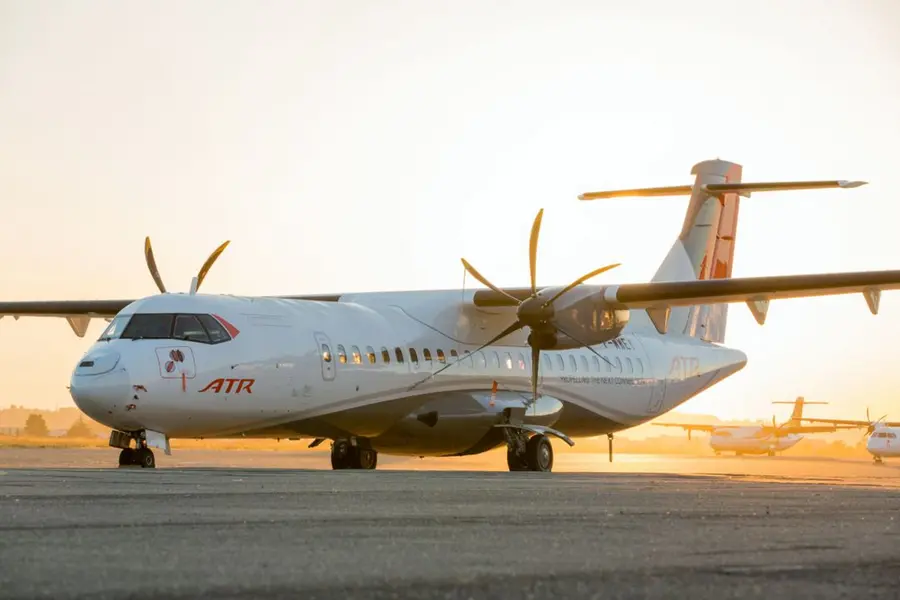
Africa currently has approximately 800 unpaved or semi-prepared airstrips serving remote communities. A major initiative aims to pave 500 of these by 2035, enabling year-round operations for turboprops and small jets. Additionally, 30 primary airports are receiving runway extensions to accommodate long-haul widebody operations.Source: ICAO African Air Navigation Plan 2025-2035

4. MRO Facility Expansion
Africa's MRO capacity is expanding rapidly to support the growing fleet. Ethiopian Airlines' new MRO hub in Addis Ababa (capacity: 12 narrowbody + 6 widebody lines), Morocco's Technics AFI expansion, and South Africa's Denel Aviation upgrades represent over $3 billion in investment. The continent's MRO market is projected to grow from $3.5B to $6.5B by 2035.Source: Oliver Wyman Africa MRO Market Forecast 2026

🇪🇹 Ethiopia
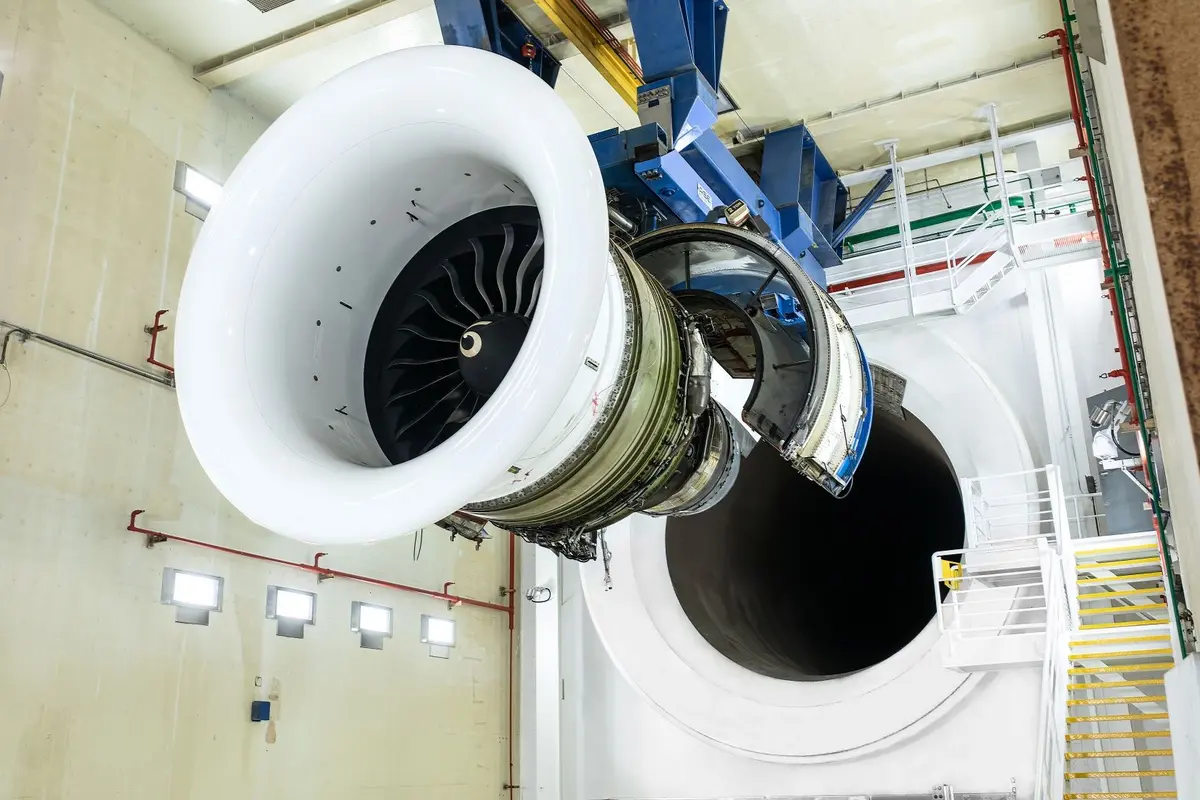
$1.2B MRO hub | 18 maintenance bays | Engine test cell for LEAP-1A, GEnx
🇲🇦 Morocco
Technics AFI expansion | $800M investment | 10-bay capacity
🇿🇦 South Africa
Denel / SAA Technical | $500M modernization | Widebody capability
5. Air Navigation Modernization
Africa's fragmented airspace — with 54 separate Flight Information Regions (FIRs) — has historically constrained efficiency. The AFI Plan (ICAO's African Aviation Infrastructure Plan) is implementing satellite-based navigation (PBN), modernized communication systems, and harmonized procedures. Key projects include: ASECNA's modernization (covering 16 West/Central African states), CANSO's harmonization initiative, and continental ADS-B deployment.Source: ICAO AFI Plan Progress Report 2026
Efficiency Gains
Modernized air navigation is expected to reduce average flight times on major African routes by 15-20%, cut fuel burn by 8-12%, and reduce carbon emissions by 10% across the continent by 2030.
6. Single African Air Transport Market (SAATM)
SAATM, launched under the African Union's Agenda 2063, has now been ratified by 38 African nations. The agreement liberalizes air services among member states, removing bilateral restrictions. Infrastructure investment and SAATM are mutually reinforcing: new runways and terminals enable the traffic that liberalization generates.Source: African Union SAATM Implementation Dashboard 2026
| SAATM Indicator | 2019 Baseline | 2026 Status | 2030 Target |
|---|---|---|---|
| Ratified nations | 28 | 38 | 54 |
| Intra-African seats (millions) | 18 | 26 | 40 |
| Air services agreements liberalized | 35% | 58% | 85% |
7. Future Outlook: 2035 and Beyond
By 2035, Africa's aviation infrastructure will be nearly unrecognizable from today. Key milestones include: over 80% of paved runway target achieved, 12+ world-class hub airports operating, MRO capacity doubled, and fully harmonized air navigation across 40+ nations. The economic dividend is substantial: every $1 invested in aviation infrastructure generates $4-5 in broader economic benefits (tourism, trade, employment).Source: IATA Africa Economic Impact Study 2026
Frequently Asked Questions
References & Data Sources
- AFCAC Infrastructure Investment Database 2026
- African Development Bank Transport Sector Report 2026
- Airports Council International Africa - Airport Development Pipeline
- ICAO AFI Plan Progress Report 2026
- African Union SAATM Implementation Dashboard
- Oliver Wyman Africa MRO Market Forecast
- IATA Africa Economic Impact Study 2026
African Aviation Infrastructure Intelligence
Safe Fly Aviation provides enterprise consulting on infrastructure investment opportunities, MRO facility development, and SAATM strategy across Africa.
Request Strategic Briefing → Infrastructure AdvisoryStrategic Conclusion
The transformation of African aviation infrastructure is unprecedented in scale and ambition. For aircraft lessors, MRO providers, airlines, and investors, this wave of development creates generational opportunities. The continent that was once defined by infrastructure gaps is building the foundation for integrated, efficient, and globally competitive aviation — and the time to position is now.