How to Buy a Private Jet in Australia in 2026: Complete Aircraft Acquisition Guide
How to Buy a Private Jet in Australia in 2026: Complete Aircraft Acquisition Guide
In short — buying a private jet in Australia involves the same core steps as anywhere else (define the mission, select a category, inspect, negotiate, register, and take delivery), but with Australia-specific considerations around CASA registration, import logistics, long over-water sectors, and a smaller domestic MRO network. This guide walks through each stage, with indicative Australian costs at every step.
How Much Does a Private Jet Cost in Australia in 2026?
Purchase price is only the starting point. Aircraft cost is generally discussed at three levels: the acquisition price (what you pay for the aircraft), the one-off entry costs (inspection, import, refurbishment), and the ongoing cost of ownership (crew, hangar, maintenance, insurance, management). All figures below are indicative category ranges intended to frame the decision, not quotes for a specific aircraft — see the disclaimer under the Total Cost of Ownership section further down.
| Category | Typical purchase price (indicative) | Typical range | Typical passengers |
|---|---|---|---|
| Light jet | AUD 5m – 14m | ~1,800–2,500 nm | 6–8 |
| Midsize jet | AUD 12m – 22m | ~2,800–3,500 nm | 7–9 |
| Super-midsize jet | AUD 20m – 35m | ~3,200–3,800 nm | 8–10 |
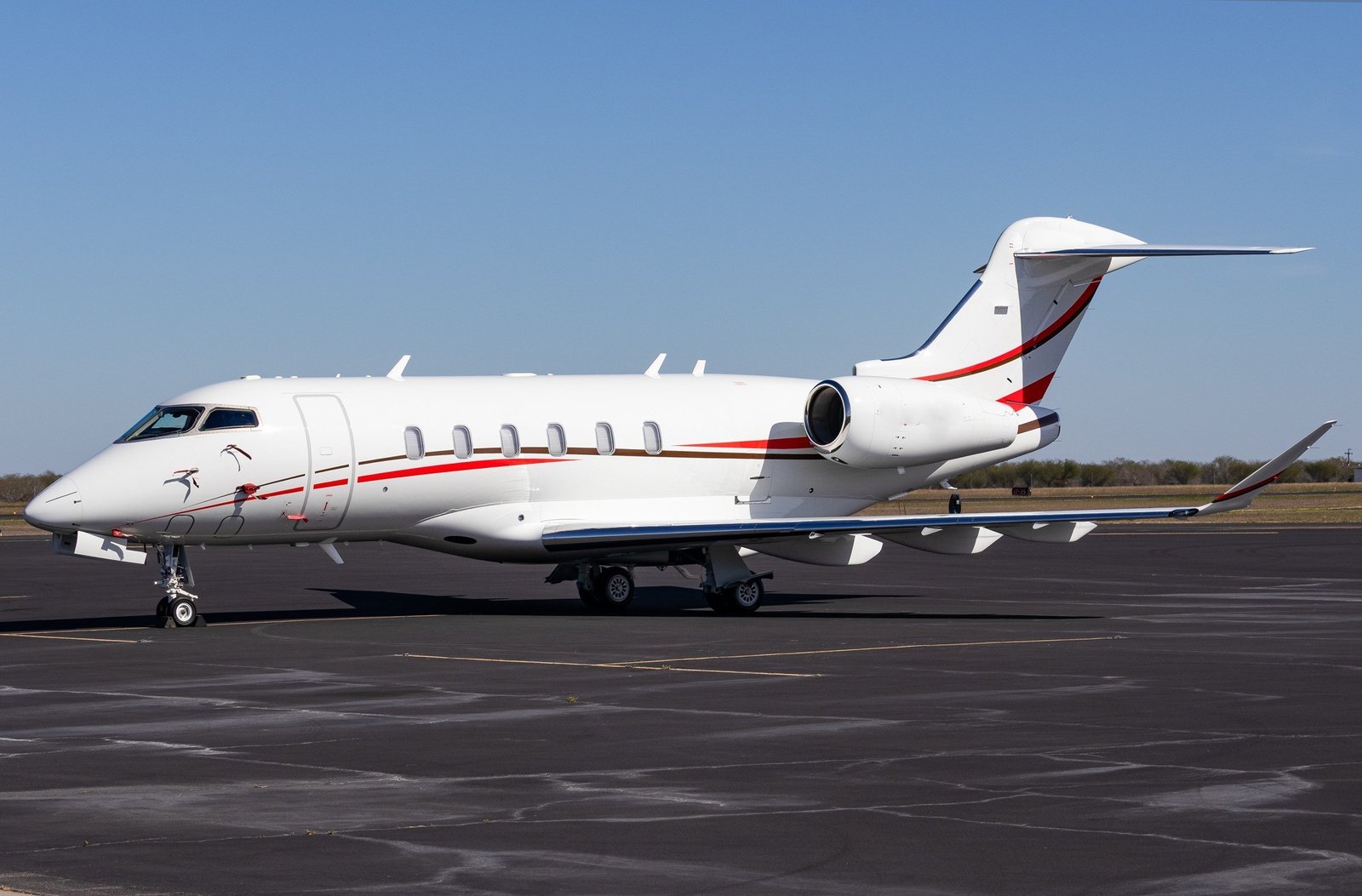
| Large-cabin / long-range | AUD 35m – 90m+ | ~4,000–7,500 nm | 10–19 |
Indicative ranges only, based on Safe Fly Aviation's general market observation across new and pre-owned listings. Actual prices vary substantially by age, hours, engine programme enrolment, avionics, and interior condition.
New vs Pre-Owned Aircraft
Both routes are active in the Australian market. New aircraft offer full warranty coverage, the latest avionics and cabin technology, and a clean maintenance history from day one — at the cost of a multi-year order book for some models and the sharpest depreciation in the first years of ownership. Pre-owned aircraft offer faster availability, a known (and inspectable) operating history, and typically a lower entry price per available range/cabin size — provided the maintenance records are complete and the airframe, engines, and avionics are current.
As covered in Safe Fly's Australian Business Aviation & Helicopter Market Outlook 2026-2030, pre-owned aircraft accounted for the large majority of Australia's 2025 business-jet fleet additions — the secondary market is not a fallback option here, it's the dominant channel.
What Is the Best Private Jet to Buy in Australia?
There isn't a single "best" aircraft — the right category depends on the mission. Australia's geography (very long domestic sectors, a small number of major hubs, and long over-water legs to Asia, the Middle East and beyond) makes range and cabin size the two variables that matter most.
| Mission | Suitable category |
|---|---|
| Sydney – Melbourne | Light jet |
| Sydney – Perth | Midsize / super-midsize |
| Perth – Singapore | Super-midsize / large cabin |
| Australia – Middle East | Long-range |
| Remote / resources-sector operations | Aircraft selected for runway length, surface, and operating environment (often turboprop or light jet) |

Long-range aircraft for Australia – Singapore / Dubai / Europe
For genuinely intercontinental missions — non-stop or near-non-stop to Asia, the Middle East, or Europe — buyers typically look to large-cabin, long-range aircraft. These aircraft carry a materially higher acquisition and running cost than a light or midsize jet, but remove the refuelling stop that would otherwise be needed on Australia's longest international sectors.

Hangar and Airport Considerations
Hangarage availability varies significantly by city. Sydney, Melbourne, Brisbane, and Perth have established business aviation precincts, but slot and hangar capacity can be constrained at peak times, particularly in Sydney. Consider proximity to your primary operating base, availability of line maintenance on-site, and whether the airport supports the aircraft's runway and weight requirements before committing to a base.
Australian Registration & Regulatory Considerations
Aircraft operated in Australia are registered on the Civil Aviation Safety Authority (CASA) register. Registration involves confirming airworthiness (including, for imported aircraft, an export certificate of airworthiness from the country of origin), radio and emergency locator transmitter compliance, and ownership documentation. If the aircraft will be operated commercially (charter) rather than privately, additional Air Operator's Certificate (AOC) considerations apply to the operator, not just the aircraft. Engage a CASA-familiar registration specialist early — this is not a step to leave until after purchase.
Importing an Aircraft into Australia
Most pre-owned acquisitions in this category are sourced internationally, which means positioning the aircraft to Australia and clearing it through customs and biosecurity. Key considerations include:
- Ferry/positioning flight planning — routing, permits, and fuel stops for the delivery flight.
- Customs duty and GST — import taxation treatment depends on aircraft type, use, and structure; obtain specific tax advice before committing to a purchase structure.
- Biosecurity — Australian biosecurity requirements apply to the aircraft itself (cabin, cargo areas) on arrival.
- De-registration and re-registration — the aircraft must be cleanly de-registered from its prior country of registry before CASA registration.
Pre-Purchase Inspection (PPI)
A pre-purchase inspection is non-negotiable for a pre-owned acquisition. This is an independent, third-party technical inspection — not performed by the seller's own maintenance provider — covering airframe condition, avionics, cabin systems, and full review of maintenance records against the airframe's actual logbooks. A PPI is what converts "the seller says it's in good condition" into an independently verified basis for negotiation.
Engine, APU & Landing Gear Status
These three items typically drive the largest swings in aircraft value and are worth understanding before you view an aircraft, not after you've fallen for it:
- Engines — check enrolment in an hourly-cost maintenance programme (e.g. engine manufacturer power-by-the-hour plans), remaining time/cycles to next major overhaul, and any prior events (bird strikes, foreign object damage, over-temp events).
- APU (auxiliary power unit) — remaining hours/cycles to overhaul, and whether it's enrolled in a maintenance programme.
- Landing gear — most gear designs have a scheduled overhaul interval (often 8–10 years); an aircraft approaching that interval should be priced accordingly.
Maintenance Reserves
Maintenance reserves are funds set aside (or paid per flight hour into a manufacturer/third-party programme) to cover scheduled inspections, engine overhauls, and major component replacement. Aircraft enrolled in an hourly-cost maintenance programme convert unpredictable, lumpy maintenance bills into a predictable per-hour cost — this is generally considered good practice for resale value as well as budgeting.
Crew and Operational Costs
Most jets in the midsize category and above require a minimum crew of two pilots, plus cabin crew for larger cabins or longer sectors. Ongoing crew costs include salaries, recurrent simulator training (typically annual), and positioning/accommodation costs when the aircraft operates away from base. Crew sourcing and retention has become a more material planning factor given the pilot and engineer availability constraints discussed in Safe Fly's Australian market outlook.
Aircraft Management
Many owners engage an aircraft management company to handle crewing, maintenance scheduling, regulatory compliance, and (optionally) third-party charter to offset ownership costs. Management fees are typically charged as an annual flat fee plus a share of any charter revenue generated. This is worth evaluating even for owners who plan to fly the aircraft themselves primarily, given the regulatory and maintenance-scheduling workload involved.
Insurance
Hull and liability insurance for business jets is priced individually based on aircraft value, pilot experience/currency, intended use (private vs charter), and claims history. Expect insurers to require minimum pilot type-rating and recent-experience thresholds, particularly for larger or higher-performance aircraft.
Financing
Aircraft financing in Australia is available through specialist aviation lenders and, for larger transactions, international aviation finance providers. Financing terms are influenced by aircraft age, the buyer's operating history, and (for cross-border transactions) the AUD/USD exchange rate at drawdown. Engage a financing conversation early in the process — financing terms can materially affect which aircraft category is realistic for a given budget.
How Aircraft Brokers Structure Acquisitions
A broker or acquisition consultant typically works through a structured process: defining the mission and budget, searching the market (including off-market and pre-market opportunities not publicly listed), shortlisting and evaluating candidates, negotiating price and terms, coordinating the pre-purchase inspection, and managing closing (including escrow, title transfer, and registration). Working with a buyer's representative — rather than negotiating directly against a seller's broker — is standard practice at this transaction size.
Total Cost of Ownership — Not Just Purchase Price
Purchase price is typically only a fraction of what an aircraft costs across its first year of ownership once entry costs and fixed/variable operating costs are included. The illustrative model below breaks down the components for a super-midsize jet under a set of stated, indicative Australian assumptions (see disclaimer above).
Australia Private Jet Acquisition Cost Calculator (Illustrative Example)
| Cost component | Indicative range (AUD) | Basis |
|---|---|---|
| Purchase price | 20m – 35m | Super-midsize category, pre-owned |
| Import & positioning | 50k – 250k | Ferry flight, customs, biosecurity |
| Pre-purchase inspection | 50k – 150k | Independent third-party PPI |
| Refurbishment / upgrades (if required) | 0 – 2m+ | Cabin, avionics, paint – highly variable |
| Crew (annual) | 500k – 900k | Two pilots, salaries + recurrent training |
| Hangar (annual) | 80k – 200k | Major-city hangarage |
| Maintenance reserves (per flight hour) | 800 – 1,800 | Scheduled inspections, component replacement |
| Engine reserve programme (per flight hour) | 500 – 1,200 | Hourly-cost engine programme enrolment |
| Insurance (annual) | 150k – 350k | Hull + liability, value-dependent |
| Management fee (annual) | 150k – 300k | If using an aircraft management company |
| Fuel (per flight hour) | 3,000 – 5,500 | Category and route dependent |
Indicative, illustrative figures only — Safe Fly Aviation analysis, not a quote. Actual figures depend on the specific aircraft, utilisation, base, and operating structure. Request a personalised assessment using the form below.
Step-by-Step Acquisition Timeline
- Define mission & budget. Passenger count, typical routes, range requirement, and total budget including entry and ongoing costs.
- Market search. Identify candidate aircraft, including off-market opportunities, matching the defined mission.
- Shortlist & evaluate. Compare candidates on records quality, engine/APU/gear status, avionics, and interior condition.
- Letter of Intent & purchase agreement. Agree price and terms, subject to inspection.
- Pre-purchase inspection. Independent technical inspection and records audit.
- Negotiate final terms. Adjust price or require rectification based on PPI findings.
- Financing & insurance. Finalise financing (if applicable) and bind insurance ahead of closing.
- Escrow & closing. Funds and title move through escrow; ownership transfers.
- Import & positioning. Ferry flight to Australia, customs and biosecurity clearance.
- CASA registration. Register the aircraft on the Australian Civil Aircraft Register.
- Entry into service. Crew assignment (or management company handover) and first flights.
Frequently Asked Questions
How much does it cost to buy a private jet in Australia?
Indicatively, light jets start from roughly AUD 5m, midsize from around AUD 12m, super-midsize from around AUD 20m, and large-cabin/long-range aircraft from around AUD 35m upward, before entry costs (import, inspection, refurbishment) and ongoing operating costs. See the Total Cost of Ownership section above for a full illustrative breakdown.
What is the best private jet to buy in Australia?
It depends on mission: a light jet suits Sydney-Melbourne-type sectors, midsize/super-midsize suits Sydney-Perth, super-midsize/large cabin suits Perth-Singapore, and a long-range aircraft is generally needed for Australia-Middle East or Australia-Europe.
Should I buy new or pre-owned?
Both are active markets in Australia. New aircraft offer full warranty and the newest technology; pre-owned aircraft offer faster availability and typically a lower entry price, provided maintenance records are complete and verified through a pre-purchase inspection.
Do I need to register the aircraft with CASA?
Yes. Aircraft based and operated in Australia are registered on the CASA Australian Civil Aircraft Register, which requires confirming airworthiness and, for imported aircraft, clean de-registration from the prior country of registry.
What is a pre-purchase inspection and do I really need one?
A pre-purchase inspection is an independent third-party technical inspection of the aircraft and its maintenance records, separate from the seller's own maintenance provider. It is standard practice and strongly recommended for any pre-owned acquisition.
How long does an aircraft acquisition take, start to finish?
Timelines vary by aircraft availability and complexity, but a typical pre-owned acquisition — from signed Letter of Intent through pre-purchase inspection, closing, import, and CASA registration — commonly spans several months.
Can Safe Fly Aviation help me buy a private jet in Australia?
Yes. Safe Fly Aviation's aircraft sales and acquisition team helps buyers define mission requirements, search the global market, evaluate candidates, and manage the acquisition process through to CASA registration and entry into service.
Sources & Further Reading
- CASA (Civil Aviation Safety Authority) – Australian Civil Aircraft Register and aircraft registration requirements.
- Safe Fly Aviation – Australian Business Aviation & Helicopter Market Outlook 2026-2030 (fleet data, pre-owned market activity).
- Asian Sky Group – Asia-Pacific Business Jet Fleet Report, YE 2025 (referenced in the Market Outlook above).
- Cost ranges in this article: Safe Fly Aviation analysis, indicative only – see disclaimer under the Total Cost of Ownership section.
Request a Private Jet Acquisition Search
Tell Safe Fly your passenger, range, budget and operating requirements. Our aircraft acquisition team can identify suitable aircraft globally and evaluate candidates for the Australian market — including import, CASA registration, and pre-purchase inspection coordination.
Request an Acquisition Search →