How Aircraft Are Bought and Sold: Complete Transaction Guide | Safe Fly Aviation
How Aircraft Are Bought and Sold: Complete Transaction Guide

📑 Transaction Intelligence Brief
- 1. The Aircraft Transaction Ecosystem
- 2. Step 1: Valuation & Market Intelligence
- 3. Step 2: Letter of Intent (LOI) & Negotiation
- 4. Step 3: Purchase & Sale Agreement (PSA)
- 5. Step 4: Technical Inspections & Records Audit
- 6. Step 5: Escrow & Payment Mechanics
- 7. Step 6: Title, Registration & Delivery
- 8. How Safe Fly Aviation Facilitates Transactions
✓ Aircraft transactions take 60–180 days from LOI to delivery
✓ Technical inspection scope can reduce purchase price by 5–15%
✓ Escrow protects both buyer and seller – always use independent escrow agent
✓ Title search and export C of A are critical for cross-border deals
✓ Engine and airframe records must be audited for LLP remaining life and AD/SB compliance
Buying or selling a commercial aircraft is one of the most complex transactions in global commerce. Unlike purchasing a car or real estate, aircraft transactions involve multiple jurisdictions, technical audits, regulatory approvals, and multi-million-dollar escrow arrangements. At Safe Fly Aviation, we specialize in aircraft sales, engine trading, and charter solutions. This guide walks you through every step of the acquisition and divestment process – from initial valuation to final delivery.
1. The Aircraft Transaction Ecosystem
The commercial aircraft secondary market involves a diverse set of participants: airlines, lessors, cargo operators, charter companies, banks, and private investors. Typical transaction values range from $5 million for older regional jets to $50+ million for late-model widebodies. Engines trade separately, with GE90-115B values reaching $5–8 million depending on LLP remaining life. Understanding the ecosystem helps buyers and sellers navigate the process efficiently.
• 800–1,000 used commercial aircraft trade annually
• 60% lease transfers, 40% outright sales
• Average time on market: 4–8 months for widebodies
• Engine trading volume exceeds 2,000 units annually
2. Step 1: Valuation & Market Intelligence
Before any transaction, both buyers and sellers need reliable valuation data. Key valuation factors include:
- Airframe: Age, cycles, hours, maintenance status, modification status
- Engines: Remaining life on LLPs, time since overhaul, SFC trend
- Records: Completeness and accuracy of maintenance logs
- Market comparables: Recent transactions of similar aircraft
- Redelivery conditions: Lease return vs. outright sale
Safe Fly Aviation provides confidential valuation reports drawing from our internal transaction database and public market data. Sellers use valuations to set realistic asking prices; buyers use them to identify undervalued assets.

3. Step 2: Letter of Intent (LOI) & Negotiation
Once a buyer identifies a target aircraft, the first formal document is the Letter of Intent (LOI). The LOI outlines:
- Proposed purchase price and deposit structure
- Exclusivity period for negotiations
- Proposed inspection timeline and location
- Target closing date
- Conditions precedent (financing, export approval, etc.)
LOIs are typically non-binding except for exclusivity and confidentiality clauses. Negotiations at this stage focus on price, deposit amount (usually 5–10%), and inspection rights. Safe Fly Aviation represents both buyers and sellers in LOI negotiations, ensuring favorable terms for our clients.
4. Step 3: Purchase & Sale Agreement (PSA)
The PSA is the binding contract that governs the entire transaction. A well-drafted PSA includes:
- Representations and warranties: Seller's assurances about title, condition, and records
- Inspection rights: Scope of technical inspection, remedy for discrepancies
- Price adjustments: Formulas for adjusting price based on inspection findings
- Delivery conditions: Export C of A, title clearance, redelivery location
- Default and termination: Consequences if either party fails to perform
Aircraft PSAs are typically 50–100 pages long. Safe Fly Aviation works with experienced aviation counsel to review and negotiate PSAs, protecting our clients from common pitfalls like ambiguous warranty language or inadequate inspection provisions.
5. Step 4: Technical Inspections & Records Audit
The technical inspection is often the most intense phase of the transaction. Typical inspection scope includes:
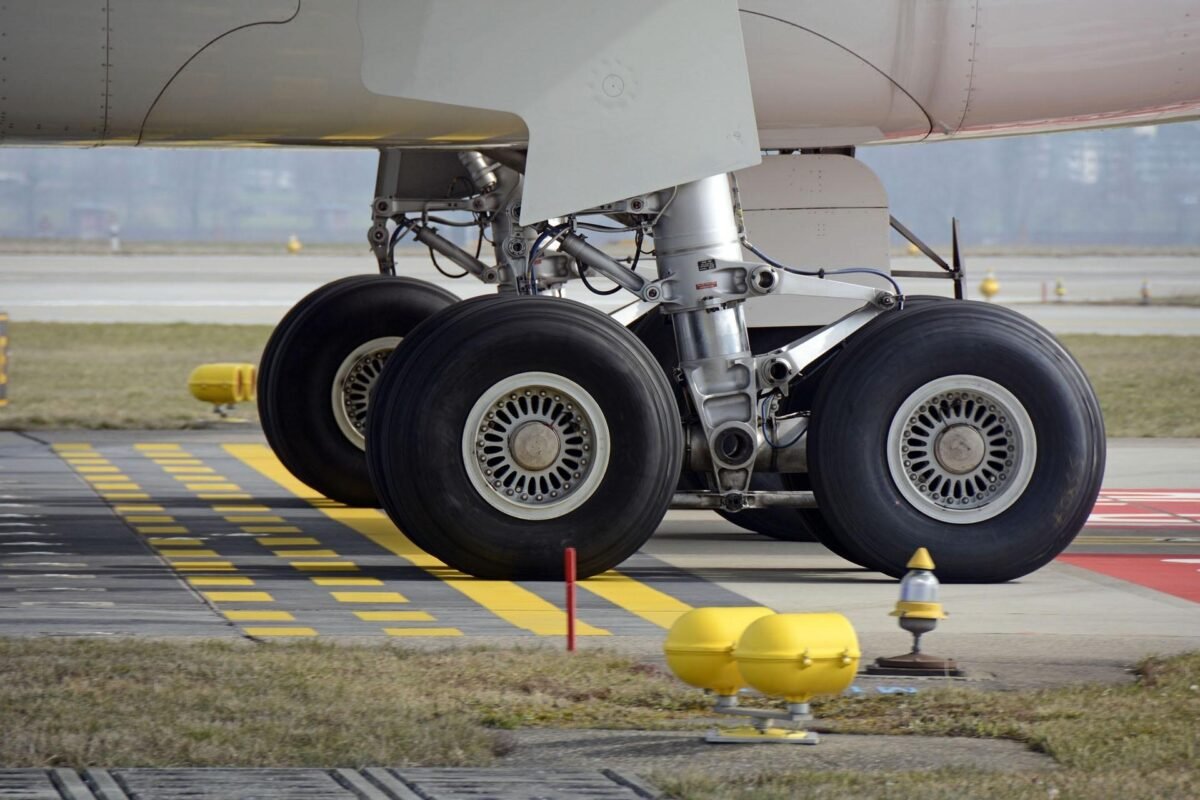
- Airframe: Structural sampling, corrosion inspection, landing gear condition
- Engines: Borescope inspection, LLP remaining life verification
- APU: Run and performance check
- Records audit: Logbook completeness, AD/SB compliance, maintenance forecast
- Flight test: Operational check of all systems
Inspection findings often lead to price adjustments. A typical outcome: 70% of inspections identify discrepancies; average price reduction 3–8% of purchase price. Safe Fly Aviation's technical team includes experienced engineers who conduct or oversee inspections, ensuring buyers understand true asset condition.
• Always use independent, qualified inspectors (not affiliated with seller)
• Budget 2–4 weeks for records audit and physical inspection
• Include borescope of all engine sections in inspection scope
• Require seller to provide 24 months of oil analysis and performance data
- ✓ Airframe structural sampling per manufacturer guidelines
- ✓ Engine borescope – HPC, LPC, HPT, LPT sections
- ✓ APU run and load bank test
- ✓ Landing gear overhaul status and NDT records
- ✓ Logbook audit – all ADs and SBs accounted for
- ✓ LLP remaining life spreadsheet verification
- ✓ Corrosion inspection – critical zones (wheel wells, bilge areas)
- ✓ Avionics functionality check
- ✓ Cabin and cargo compartment condition
- ✓ Flight test – engine performance, APU, pressurization
6. Step 5: Escrow & Payment Mechanics
Given the high value of aircraft transactions, escrow is standard practice. Escrow protects both parties:
- Buyer protection: Funds released only after delivery conditions met
- Seller protection: Proof of funds before title transfer
- Deposits: Typically 5–10% held in escrow from LOI stage
- Final payment: Balance due at closing, often via wire transfer
Safe Fly Aviation recommends independent aviation escrow agents (not affiliated with either party) and assists clients in escrow documentation and fund flow coordination.
7. Step 6: Title, Registration & Delivery
The final phase involves legal and regulatory steps to transfer ownership:
- Title search: Confirm no liens, mortgages, or encumbrances on the aircraft
- Export Certificate of Airworthiness (C of A): Required for cross-border delivery
- Bill of Sale: Legal document transferring ownership
- Deregistration: Removing aircraft from seller's registry
- Import registration: Registering in buyer's jurisdiction
- Insurance transfer: Gap coverage during delivery flight
Delivery typically occurs at the inspection location or an agreed handover airport. Safe Fly Aviation coordinates with export authorities, title search firms, and insurers to ensure smooth closing.
• Executed Bill of Sale • Title search certificate • Export C of A • Maintenance records (complete set) • Engine logbooks (each engine) • APU logbook • Airframe logbook • Weight and balance report • Noise compliance certificate • Insurance certificates • Escrow release letter
8. How Safe Fly Aviation Facilitates Transactions
Safe Fly Aviation (Safefly.aero) is an active participant in global aircraft sales, engine trading, and charter solutions. Our transaction services include:
- Aircraft Sales: Representing sellers to market aircraft and buyers to source assets
- Engine Trading: GE90, CFM56, V2500, and other popular platforms
- Transaction Management: End-to-end coordination from LOI to delivery
- Technical Due Diligence: Inspection oversight and records audit
- Legal Coordination: Working with aviation counsel on PSA and closing documents
- Escrow & Payment: Coordinating fund flows and escrow release
✈️ Ready to Buy or Sell an Aircraft?
Contact Safe Fly Aviation for confidential transaction support.
View Inventory → Request Consultation →➡️ Email: sales@safefly.aero | Phone: +1 (888) 723-3587 | Web: https://safefly.aero
• ISTAT (International Society of Transport Aircraft Trading) – industry best practices
• Aviation Week Network – market transaction data
• Safe Fly Aviation transaction experience – representative deal structures
• FAA and EASA – export/import certification procedures
Transaction timelines and processes vary by jurisdiction, asset type, and complexity. This guide represents typical commercial aircraft sales.