Boeing 777 Fuel Burn: Complete Analysis by Variant & Mission | Safe Fly Aviation
Boeing 777 Fuel Burn: Market Intelligence for Buyers & Sellers

📑 Market Intelligence Brief
- 1. Why Fuel Burn Matters for Buyers & Sellers
- 2. Fuel Burn by Variant (Data Table)
- 3. Real-World Mission Examples
- 4. How Fuel Economics Drive Asset Values
- 5. 777 vs Competitors – Resale Perspective
- 6. 777X Impact on Current 777 Values
- 7. Engine Selection & Trade Implications
- 8. Safe Fly Aviation – Your 777 Transaction Partner
✓ 777-300ER: ~7,500–8,500 kg/h – the most liquid variant for resale and lease
✓ 777-200ER: ~6,800–7,200 kg/h – strong cargo conversion candidate
✓ 777F: ~6,500–7,000 kg/h – strong global freighter demand
✓ GE90-115B engines command highest residual values in secondary market
✓ Fuel economics directly impact aircraft valuation, lease rates, and charter margins
For buyers, sellers, lessors, and charter operators, understanding Boeing 777 fuel burn is essential transactional intelligence. Fuel consumption directly affects operating costs, which in turn drive aircraft residual values, lease rates, and charter economics. At Safe Fly Aviation, we specialize in aircraft sales, engine trading, and charter solutions for the global 777 market. This guide provides the fuel performance data you need to make informed acquisition and divestment decisions.
1. Why Fuel Burn Matters for Buyers & Sellers
Fuel is the largest variable operating cost for any 777 operator. A difference of 500 kg/h in fuel burn between two similar aircraft translates to approximately $400,000+ annual cost difference at current fuel prices. This directly impacts:
- Aircraft valuation – lower-burn aircraft command premium prices
- Lease rates – operators pay more for efficient airframes
- Charter profitability – fuel cost per block hour determines margins
- Engine resale value – GE90-115B vs. other engine types show significant price gaps
Safe Fly Aviation uses this intelligence daily to advise clients on aircraft acquisitions, engine trades, and charter fleet planning.
2. Fuel Burn by Variant (Data Table)
| Variant | Engine | Fuel Burn (kg/h) | Market Liquidity | Typical Resale Value |
|---|---|---|---|---|
| 777-200ER | GE90-94B / PW4090 | 6,800–7,200 | Moderate – cargo conversion demand | $$ |
| 777-200LR | GE90-110B1 | 7,100–7,500 | Low – niche ultra-long-haul | $$$ |
| 777-300ER | GE90-115B | 7,500–8,500 | High – most traded widebody | $$$$ |
| 777F | GE90-110B1 | 6,500–7,000 | Very High – strong global freighter demand | $$$$$ |
Note: Actual fuel burn varies with payload, altitude, and cruise speed. Values represent long-range cruise at M0.83.
3. Real-World Mission Examples
Understanding fuel burn across real missions helps buyers evaluate operating costs:
777-300ER: ~49,000–52,000 kg fuel burn
777-200ER: ~44,000–46,000 kg fuel burn
Charter cost impact: ~$8,000–10,000 difference per sector
777-300ER: ~128,000 kg fuel burn
777F (cargo): ~110,000 kg with full payload
Annual fuel spend (200 sectors): $20M+
4. How Fuel Economics Drive Asset Values
Fuel efficiency directly translates to aircraft valuation. A 777-300ER with a fuel-burn-optimized engine configuration (PIP upgrades, recent overhaul) typically commands a 5–10% premium over a comparable airframe with higher SFC. For a $30M aircraft, that's $1.5M–3M difference. Safe Fly Aviation's sales team provides detailed fuel-performance analysis on every 777 listing, helping buyers quantify long-term operating costs before purchase.

5. 777 vs Competitors – Resale Perspective
Buyers often compare the 777-300ER against the A350-1000 and 787-10. While newer types offer lower fuel burn, the 777-300ER's acquisition cost is significantly lower. Current market dynamics:
- 777-300ER (2010 vintage): $25–35M – higher fuel burn, lower capital cost
- A350-1000 (2018 vintage): $70–90M – lower fuel burn, much higher capital cost
- 787-10 (2018 vintage): $55–70M – best fuel efficiency, but less capacity
For charter operators and cargo carriers, the 777-300ER often presents the best ROI despite higher fuel burn. Safe Fly Aviation helps clients model these trade-offs.
6. 777X Impact on Current 777 Values
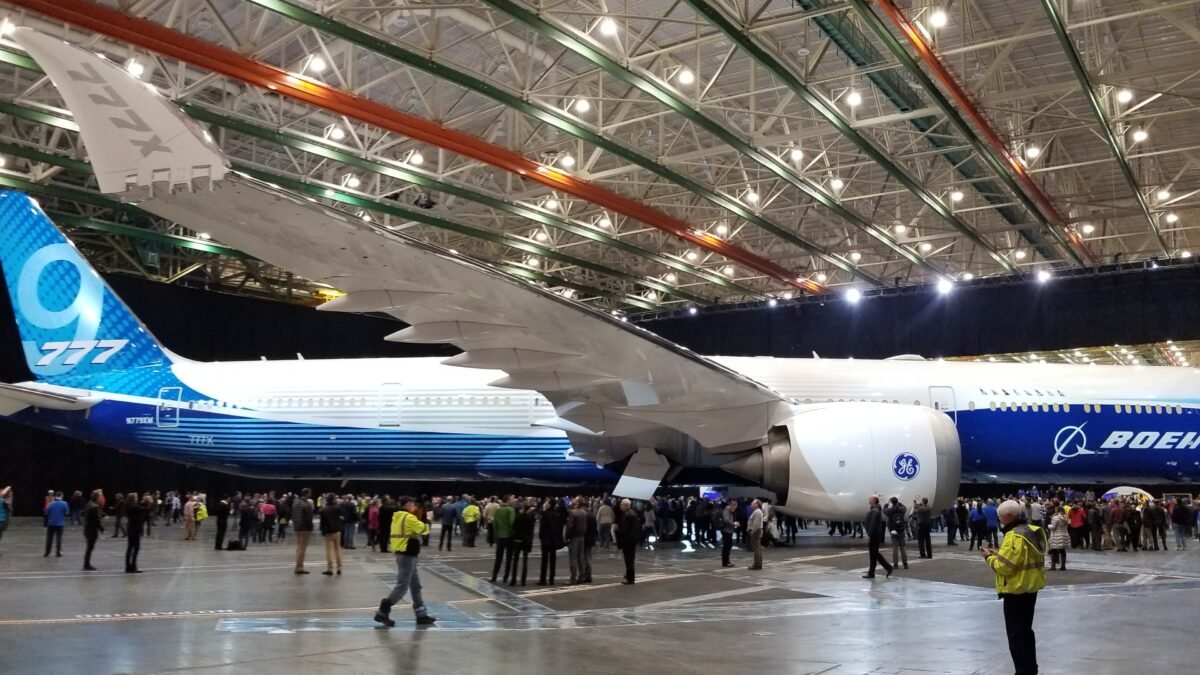
The upcoming 777-9X (certification is expected later this decade, subject to regulatory approval) is projected to offer approximately 20% lower fuel burn per seat. This will put pressure on late-model 777-300ER values, but creates opportunity for buyers seeking capable aircraft at reduced prices. Historically, new aircraft introductions cause a one-time 10–15% value adjustment in previous generation models – a buying opportunity for well-capitalized operators and lessors. Safe Fly Aviation tracks 777X certification timelines to time acquisitions and divestments optimally.
7. Engine Selection & Trade Implications
The GE90-115B engine (exclusive to 777-300ER) is the most valuable engine in the 777 ecosystem. Key trading insights:
- Green-time GE90-115B: $5–8 million depending on LLP remaining life
- Mid-life engines: Lease rates $95k–135k/month
- Part-out values: LLPs (discs, blades, spools) retain 60–70% of new value
Safe Fly Aviation maintains active inventories of GE90 engines for sale, lease, or exchange. We also facilitate engine swaps and powerplant upgrades for 777 operators.
Typical inventory categories may include:
• 777-300ER (2012–2016) – GE90-115B powered – available for sale or dry lease
• 777F – low cycles – prime cargo asset
• GE90-115B engines – various LLP remaining life – sale or lease
• 777-200ER – cargo conversion candidate – attractive entry price
8. Safe Fly Aviation – Your 777 Transaction Partner
Safe Fly Aviation (Safefly.aero) is an active participant in global aircraft sales, engine trading, and charter solutions. Our 777-specific services include:
- Aircraft Sales: Passenger 777-300ER, 777-200ER, and 777F freighter acquisition
- Engine Trading: GE90-115B, GE90-110B1, GE90-94B – sale, lease, or exchange
- Charter Services: VIP and cargo charter on 777 platforms worldwide
- Asset Valuation: Fuel-adjusted aircraft and engine pricing models
- End-of-Lease Transition: Redelivery and remarketing services
✈️ 777 Aircraft & Engines – Inquire for Current Availability
Contact Safe Fly Aviation for current inventory, pricing, and charter availability.
View Inventory → Request Quote →➡️ Email: sales@safefly.aero | Phone: +91 78400 473 | Web: https://safefly.aero
• Boeing ACAPS (Airport Compatibility & Planning)
• GE Aerospace – GE90 Engine Performance Publications
• Safe Fly Aviation transaction experience – market comparables
• IATA Fuel Price Monitor – current market rates
Fuel burn figures are industry-standard estimates based on operational data. Actual consumption varies with load, altitude, and weather.