BREAKING: Aviation Alerts and Advisories in West Asia – Airspace Restrictions and Operational Constraints Update 22nd April 2026 | Safe Fly Aviation
Aviation Alerts and Advisories in West Asia – Airspace Restrictions Update
22 April 2026 (Ongoing Crisis)
Update — 22 April 2026 (Ongoing)
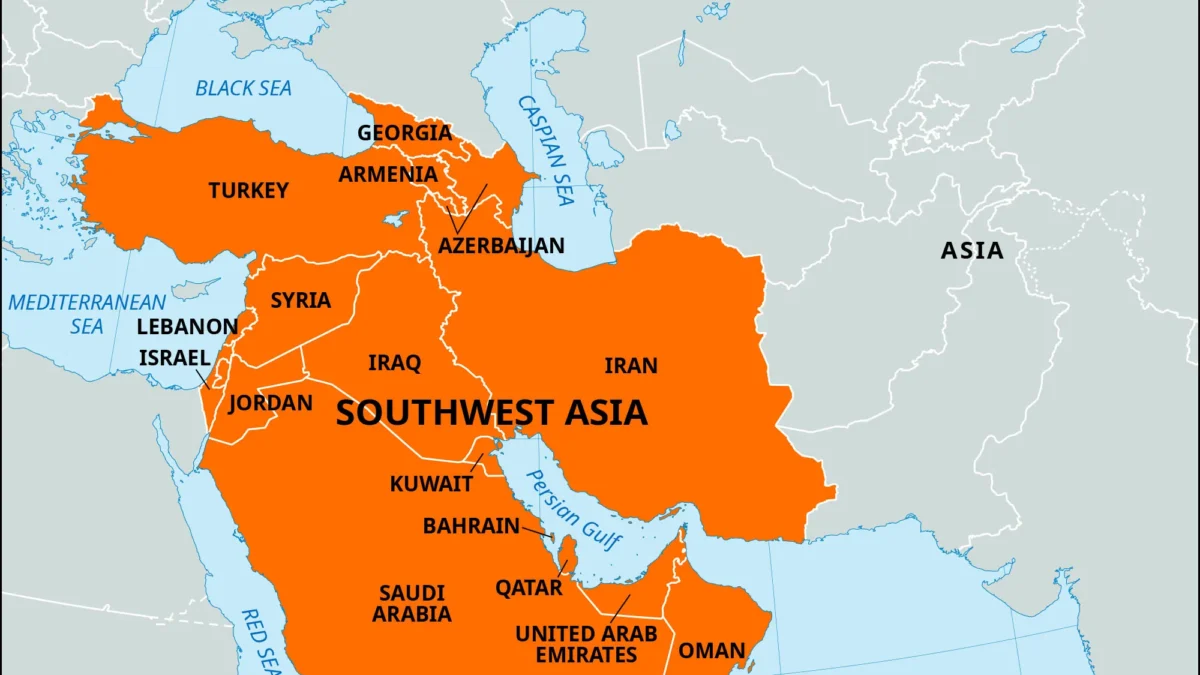
The aviation crisis continues with no full normalisation; Iran and Kuwait remain largely closed to normal commercial traffic, while other core FIRs operate under heavy restrictions or partial/limited corridors with frequent short-notice NOTAMs and residual military risks. Following US–Israeli strikes on Iran on 28 February 2026 (which killed Supreme Leader Ali Khamenei), retaliatory actions and military activity persisted. A fragile ceasefire between the US and Iran was announced around 8 April, but intermittent risks remain. EASA CZIB (revised and extended on 9 April) advises operators to avoid the airspace of Bahrain, Iran, Iraq, Israel, Jordan, Kuwait, Lebanon, Oman, Qatar, UAE and Saudi Jeddah FIR until at least 24 April. Major Gulf hubs continue with reduced schedules; many international carriers maintain suspensions or reroutes. Cumulative impact includes thousands of cancellations and significant schedule reductions across the region.
Safe Fly Aviation monitors continuously. This reflects verified info from EASA, NOTAMs, OPSGROUP, Cirium, Reuters, Flightradar24 and other authorities as of 22 April 2026. Situation remains fluid with short-notice changes. Base all decisions on current NOTAMs, regulatory guidance and official sources only.
📋 Current NOTAM & Restriction Summary (as of 22 April 2026 — per EASA/OPSGROUP/Flightradar24)
Extensions, intermittent changes and short-notice restrictions likely. Treat as indicative; monitor real-time NOTAMs hourly.
| FIR / Country | ICAO | Status | Notes / Expiry |
|---|---|---|---|
| Iran | OIIX | Largely Closed to Normal Traffic | Only limited categories under prior approval; military activity and risks remain |
| Iraq | ORBB | Heavily Restricted | Significant limitations; monitor closely |
| Israel | LLLL | Highly Constrained | Tight capacity controls; limited commercial ops |
| Qatar | OTDF | Partial (limited corridors/ops) | Reduced schedules; repatriation/essential focus; residual risks |
| Bahrain | OBBB | Heavily Restricted | Significant limitations persist |
| Kuwait | OKAC | Largely Closed | Daily NOTAMs restricting usability for normal planning |
| Syria | OSTT | Heavily Restricted / Closed | Ongoing severe limitations |
| UAE | OMAE | Partial (limited corridors/ops) | Reduced commercial schedules; short-notice changes possible |
| Saudi Arabia | OEJD | Partial / High Caution | Some ops possible; border and certain areas restricted |
🚨 Critical Airspace Status – 22 April 2026
| FIR / Airspace | ICAO | Status | Notes (as of 22 April) |
|---|---|---|---|
| Tehran FIR (Iran) | OIIX | LARGELY CLOSED TO NORMAL TRAFFIC | Limited categories only with prior approval. Khamenei killed in February strikes; Mojtaba Khamenei now Supreme Leader. Residual military risks. |
| Baghdad FIR (Iraq) | ORBB | HEAVILY RESTRICTED | Significant operational limitations. |
| Israel (Ben Gurion / Eilat) | LLLL | HIGHLY CONSTRAINED | Tight capacity controls and limited commercial permissions. |
| Kuwait | OKAC | LARGELY CLOSED | Daily NOTAMs; not reliably usable for normal planning. |
| Doha FIR (Qatar) | OTDF | PARTIAL / LIMITED CORRIDORS | Reduced schedules with focus on essential and repatriation flights; residual risks. |
| Bahrain FIR | OBBB | HEAVILY RESTRICTED | Ongoing significant limitations. |
| UAE (Dubai / Abu Dhabi) | OMAE / OMAA | PARTIAL / LIMITED CORRIDORS | Reduced commercial ops; frequent changes; priority to essential traffic. |
| Jordan | OJAC | INTERMITTENT / HIGH RISK | Restrictions and potential interceptions. |
| Damascus FIR (Syria) | OSTT | HEAVILY RESTRICTED | Severe ongoing limitations. |
| Beirut FIR (Lebanon) | OLBB | HIGH RISK / AVOID | Ongoing risks including electronic warfare. |
| Sanaa FIR (Yemen) | OYSC | AVOID | Active advisories in place. |
| Saudi Arabia | OEDF / OEJN / OEJD | PARTIAL / CAUTION | Some operations possible; certain areas restricted. |
| Muscat FIR (Oman) | OOMM | OPEN (ALTERNATIVE) – CAUTION | Used as bypass; monitor for any overflow risks. |
| Turkey | LTAA | OPEN | Key northern alternative routing. |
| Egypt | HECC | OPEN | Southern alternative and diversion option. |
Key Updated Facts at a Glance – 22 April 2026 (Ongoing Crisis)
- Khamenei killed: Confirmed killed on 28 February 2026 in US–Israeli strikes. Mojtaba Khamenei named new Supreme Leader in early March.
- Ongoing military & residual risks: Retaliatory actions and intermittent military activity continued post-ceasefire announcement (circa 8 April); debris, overflight and electronic warfare risks remain in affected areas.
- Major schedule reductions & cancellations: Significant cumulative impact since late February; daily cancellations reduced but many carriers maintain heavily revised schedules with thousands of flights affected overall (Cirium/Flightradar24 data).
- Major carriers: Emirates, Qatar Airways, Etihad and others operating reduced/limited schedules with focus on essential, repatriation and cargo; many international routes remain suspended or rerouted.
- EASA CZIB: 2026-03-R6 extended to 24 April; avoid listed FIRs at all altitudes due to military, missile/drone and air defence risks.
- Partial ops: Limited corridors in UAE, Qatar and parts of Saudi; subject to short-notice changes and residual risks.
- GPS & navigation issues: Potential jamming/spoofing and electronic warfare reported in parts of the region — treat GNSS with caution and prepare conventional navigation.
- Stranded passengers & network effects: Hundreds of thousands impacted; ongoing repatriation, backlogs and higher costs (fuel, rerouting) persist.
Crisis Timeline: 28 February – 22 April 2026
- 28 February: US-Israel strikes on Iran; Khamenei killed. Immediate widespread airspace closures and retaliatory actions begin.
- Early March: Core FIRs heavily impacted. Massive initial cancellations; EASA CZIB issued and repeatedly extended.
- Mid-March: Limited corridors introduced in some Gulf states for essential/repatriation flights. Continued military exchanges and NOTAM changes.
- April: Fragile US-Iran ceasefire announced around 8 April. Iran (OIIX) and Kuwait remain largely closed to normal traffic; other areas partial with restrictions. EASA CZIB extended to 24 April. No full recovery; reduced schedules persist with residual risks.
Commercial Airline and Network Disruption
Central Middle East corridor remains significantly constrained; global reroutes via alternatives (Muscat, Turkey, Egypt, northern paths) continue to add time and fuel costs. Gulf hubs operate at reduced capacity with frequent NOTAM-driven changes.
Airline Status as of 22 April 2026
- Emirates (EK): Reduced schedule with limited ops via controlled corridors; focus on essential and repatriation flights.
- Qatar Airways (QR): Revised limited schedule from Doha; essential and select routes operating under restrictions.
- Etihad (EY): Limited commercial schedule; additional support for repatriation where possible.
- flydubai (FZ) and others: Many routes remain suspended or heavily restricted.
- International carriers (Lufthansa Group, Turkish, Air India, Finnair, Pegasus, etc.): Widespread suspensions or rerouting on Gulf/Levant routes; some extensions of cancellations into May–October reported.
Routing Alternatives
Primary viable corridors continue to include Muscat FIR (OOMM), Turkey (LTAA) and Egypt (HECC). Expect longer flight times, higher fuel burn and capacity constraints on alternatives.
Travel Advisories and Passenger Guidance
- Avoid travel to closed/restricted FIR airports unless essential and confirmed by airline/authorities.
- Stranded passengers: Contact airline/embassy immediately; repatriation efforts continue where feasible.
- Transit and future bookings: Expect potential delays, cancellations or rerouting. Check airline apps and official sources daily.
- Insurance/Refunds: Flexible rebooking/refunds offered by many carriers; war-risk exclusions common.
- Private/Business Aviation: Strictly avoid closed or high-risk FIRs. Use verified corridors only with real-time NOTAMs, conventional navigation where GNSS may be unreliable, maximum fuel and updated insurance.
Risk Considerations for Aviation
High caution remains: Potential for missile/drone activity, interception risks, debris and electronic warfare in affected zones. GNSS reliability may be compromised in parts of the region — conventional navigation strongly recommended where appropriate. Short-notice NOTAM changes are common.
Regulatory Environment: FAA, EASA and ICAO
EASA CZIB 2026-03-R6 (extended 9 April): Avoid listed FIRs until at least 24 April 2026. FAA SFARs and national NOTAMs active. Always verify the most current NOTAMs, CZIBs and CAA guidance before any operation.
Operational Recommendations for Airlines and Operators
- Void any flight plan older than 30 minutes.
- Monitor NOTAMs, EASA CZIB, OPSGROUP and Flightradar24 continuously (every 30 minutes minimum).
- Maintain active crisis team and contingency plans.
- Use conventional navigation where GNSS reliability is uncertain.
- Verify airport status, fuel availability and insurance coverage for any planned operations.
- Plan for extended disruptions, backlogs and higher operating costs.
- Prioritise safety; consider Safe Fly Aviation for flexible private charter alternatives where commercial options are limited.
Frequently Asked Questions
Iran (OIIX) and Kuwait (OKAC) remain largely closed to normal commercial traffic. Iraq, Bahrain, Syria and others are heavily restricted. Israel operates under tight constraints. UAE (OMAE), Qatar (OTDF) and parts of Saudi Arabia have partial operations via limited corridors, all subject to short-notice changes and EASA avoidance advice until at least 24 April.
No. They continue under partial/limited schedules using controlled corridors. Operations focus on essential, repatriation and cargo flights. Full normal commercial schedules have not resumed. Always confirm with the airline and check current NOTAMs.
No confirmed timeline for full recovery. EASA CZIB currently runs until at least 24 April 2026 and may be reviewed or extended. Gradual improvement is possible but significant backlogs, reduced capacity and higher costs are expected to linger.
Private and business aviation must strictly avoid closed or high-risk FIRs. Limited safe corridor options may exist but require real-time NOTAM verification, caution with GNSS, maximum fuel reserves and valid war-risk insurance. Safe Fly Aviation can assist with compliant charter options.