Delhi Fog & Flight Disruptions: What Travellers Need to Know (Winter 2025) | Safe Fly Aviation
Delhi Fog & IGI Flight Disruptions: Live Traveller Advisory (Updated 15 Jan 2026)
As of 15 January 2026, Delhi-NCR is experiencing winter haze and periodic dense fog—especially in the early morning. When visibility drops sharply, Delhi IGI (DEL) may operate under Low Visibility Procedures (LVPs), which can reduce runway capacity and trigger delays. Here’s what’s happening, why it impacts flights, and how to protect your schedule.

What’s Happening in Delhi Right Now (15 January 2026)
Delhi-NCR is in peak winter conditions, and the operational risk for travellers is highest in the late-night to early-morning window, when fog can become dense and visibility can fall sharply. On such mornings, Delhi IGI (DEL) may move into Low Visibility Procedures (LVPs)—meaning flights can still operate, but with reduced throughput.
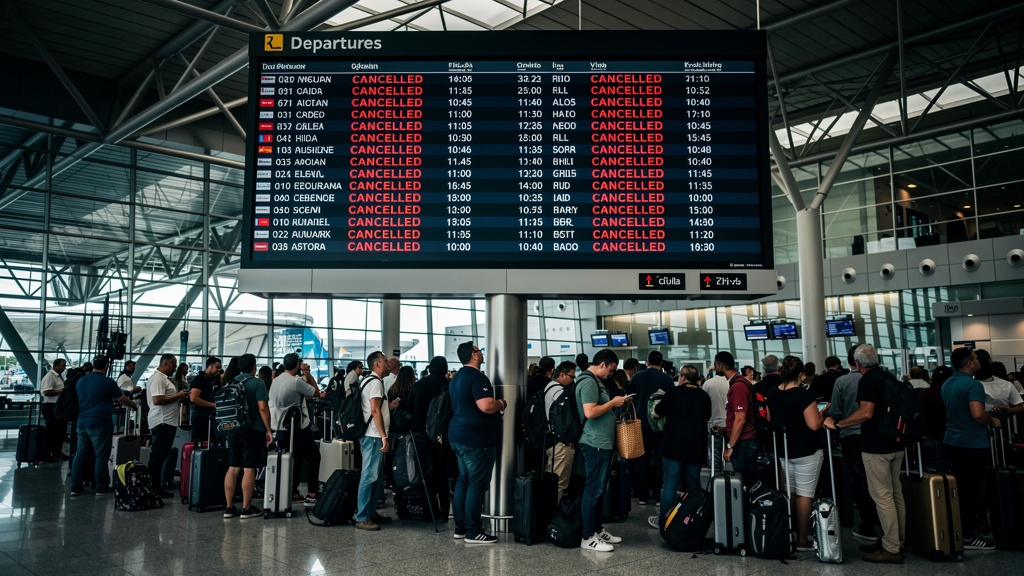
The practical impact for passengers is familiar: delayed departures, late arrivals, missed connections, and occasional diversions if conditions fluctuate.
Today’s Traveller Snapshot (What to Expect)
- Early mornings are highest risk: fog is most disruptive before sunrise and shortly after.
- LVPs can reduce airport flow: even if flights are “operating”, the pace is slower to maintain safety.
- Haze / poor air quality can add friction: reduced visibility and congestion can worsen delays and ground movement.
- Backlog effect: once a morning bank is delayed, schedules can stay disrupted for hours even after visibility improves.
Your best move (real-world)
Treat winter mornings in Delhi as a high-risk operational window. If your meeting or connection is important, plan buffer time and keep a backup routing/strategy ready.
Why Fog Delays Flights (In Simple Terms)
Fog isn’t just “bad weather” — it reduces runway visual range (RVR), which is the measurable distance pilots and systems can reliably identify runway centreline lights, signage, and approach cues.
When RVR drops below thresholds, operations slow down because:
- Aircraft need greater spacing between movements.
- Taxi speed and runway crossings reduce due to limited visibility.
- ATC must manage more complex sequencing to prevent runway incursions.
Safety always comes first. The inconvenience is real, but these procedures exist to reduce risk during the most challenging visibility conditions.
Low Visibility Procedures & CAT III: What They Mean
1) Low Visibility Procedures (LVP)
LVP is a set of airport safety protocols used during reduced visibility. Flights may still operate, but the airport functions at a slower pace to keep movements safe. This is why a flight can be delayed even if it isn’t cancelled.
2) CAT III & “Fog-Capable” Landings
Many modern runways and aircraft support CAT III Instrument Landing Systems (ILS), enabling operations in very low visibility. However, CAT III does not remove delays — because runway occupancy, taxi safety, congestion, and flow restrictions still limit capacity.
What Travellers Should Remember
- CAT III helps approach/landing, but ground movement remains slow in dense fog.
- Even with full capability, airports may reduce operations to stay safe.
- Not every flight/crew/aircraft pairing can be cleared equally in extreme conditions.
Passenger Checklist: How to Travel Smarter During Delhi Fog
Before You Leave for the Airport
- Check status twice: airline app + booking PNR + Delhi Airport advisory page (if available).
- If you have connections, build a buffer of 2–4 hours in fog season.
- Keep essentials in cabin baggage: chargers, medicines, one change of clothing, snacks.
At the Airport
- Arrive early: 2.5–3 hours domestic, 3.5+ hours international (especially during morning peaks).
- Expect gate changes and boarding time shifts.
- If delayed, ask airline staff about rebooking priority and the fastest alternative routing.
If Your Meeting Is Time-Critical
- Consider a later departure when visibility improves (often late morning to afternoon performs better).
- Evaluate alternate routings via nearby airports (case-by-case feasibility).
- If your time loss costs more than the ticket: explore charter options (subject to weather/slots/ATC).
The Real Impact: How Fog Disrupts Business Travel
Delhi is a major hub. When fog slows IGI operations, the disruption extends beyond one flight: missed board meetings, delayed plant visits, postponed site inspections, and broken international connections.
For leadership travel, the biggest cost is often not the fare — it’s the time lost, the momentum broken, and the opportunity delayed. That’s why corporates plan winter itineraries with buffers — or keep a contingency option ready.
When Private Charter Can Make Sense in Fog Season
Private charter is not a “fog-proof” solution — weather and operational approvals still apply. However, when conditions allow, charter can help by:
- Reducing dependence on packed commercial schedules and cascading delays.
- Offering more flexible timing (subject to slots/ATC and airport operations).
- Enabling mission-based planning for urgent business or family travel.
Need a Time-Sensitive Plan for Delhi Fog Disruptions?
Safe Fly Aviation has 15+ years of experience supporting corporate and VIP travel across India and worldwide. For urgent requirements, contact our team and we’ll recommend the most realistic option for your route and timing.
Email: info@safefly.aeroFrequently Asked Questions: Delhi Fog and Flights
Does fog always mean flight cancellations?
Not always. Many flights operate with delays when LVPs are active. Cancellations typically happen when disruption cascades or when aircraft rotation becomes impractical.
Is landing more affected than take-off?
Both can be affected. Landings depend on approach minima and RVR; take-offs can be impacted due to runway visibility and ground movement constraints.
What time of day is worst at Delhi during fog season?
Early mornings and late nights are usually most impacted. Even when fog lifts later, delayed aircraft and passengers can keep schedules disrupted.
What’s the single best tip to avoid stress?
Build buffer time. If your trip is important, treat December–February in North India as a high-risk operational window and plan with flexibility.
Can helicopters or private jets fly in fog?
Helicopters and private aircraft are also subject to visibility regulations and operational approvals. While they offer schedule flexibility, they cannot bypass weather safety rules.
What is Runway Visual Range (RVR)?
RVR is the distance a pilot can see down the runway, measured using specialised instruments. It’s the key metric used to determine whether aircraft can safely land or take off.
How long do Low Visibility Procedures last?
LVPs remain in effect as long as visibility stays below operational thresholds. They can last from a few hours to most of the day during severe fog episodes.
Editorial Note
This article is intended for general travel awareness and planning. Flight operations depend on visibility, runway visual range, aircraft/crew capability, ATC sequencing, airport procedures, and real-time advisories. Always follow official airline and airport updates for current status. Safe Fly Aviation provides Air Charter & Aviation services and does not operate scheduled airline services.