Cargo Charter Benefits for the Oil and Gas Industry
Cargo Charter Benefits for the Oil and Gas Industry
Why dedicated air freight delivers unmatched speed, flexibility, and reliability worldwide for urgent oil and gas logistics.

Why this matters now
In oil and gas, a delayed shipment is rarely just a logistics problem. It can become a drilling delay, an offshore shutdown, a commissioning slip, or a production loss. When operators need urgent parts, oversized equipment, dangerous goods handling, or remote-site delivery, dedicated cargo charter aircraft offer a level of control that standard freight networks often cannot match.
1. Unparalleled speed: minimize downtime and protect revenue
Oil and gas operations run on compressed timelines and high-value assets. If a critical drilling component fails offshore, a replacement turbine stalls at a hub, or a pipeline part misses a project window, the cost of delay can outweigh the freight bill very quickly. Cargo charter removes much of the waiting built into scheduled freight by enabling dedicated aircraft allocation, point-to-point routing, and mission planning around urgency.
Instead of waiting for network availability, operators can move on a timeline shaped by the cargo itself. That is especially valuable for offshore support, maintenance shutdowns, sudden equipment failures, and project-critical spares moving across continents.
Suitable for urgent same-day or next-day energy logistics requirements.
Helps reduce layovers, handling points, and congestion through major cargo hubs.
Supports continuity when project delays carry major operational consequences.
2. Total flexibility for global and unpredictable operations
Energy logistics rarely stay static. Weather windows shift. Project timelines move. Regulatory requirements change. Cargo dimensions evolve after site inspection. Commercial freight solutions usually ask shippers to adapt to fixed schedules and fixed capacity. Cargo charter reverses that equation by tailoring aircraft type, departure timing, route structure, and ground coordination around the live mission.
- Departures can align with operational urgency, not airline timetables.
- Aircraft can be selected for payload, range, runway access, and loading configuration.
- Complex multi-leg or multi-country missions can be planned around project milestones.
- Door-to-door support can include ground transport, customs assistance, and final-mile coordination.
3. Specialized handling for oversized, heavy, and hazardous cargo
Oil and gas cargo often falls outside normal freight assumptions. Examples include long-length pipeline sections, pressure-control assemblies, turbines, drilling equipment, hazardous materials, high-value tools, and maintenance-critical instrumentation. These shipments may require nose loading, main deck access, tactical airport capability, specialist loading plans, or dangerous goods procedures. For a closer look at one of the workhorse types in this class, see our Boeing 767 cargo aircraft guide.
| Aircraft type | Best use in oil & gas | Why it matters |
|---|---|---|
| Antonov An-124 | Outsized project cargo and heavy industrial equipment | Nose and tail loading with very high payload capacity |
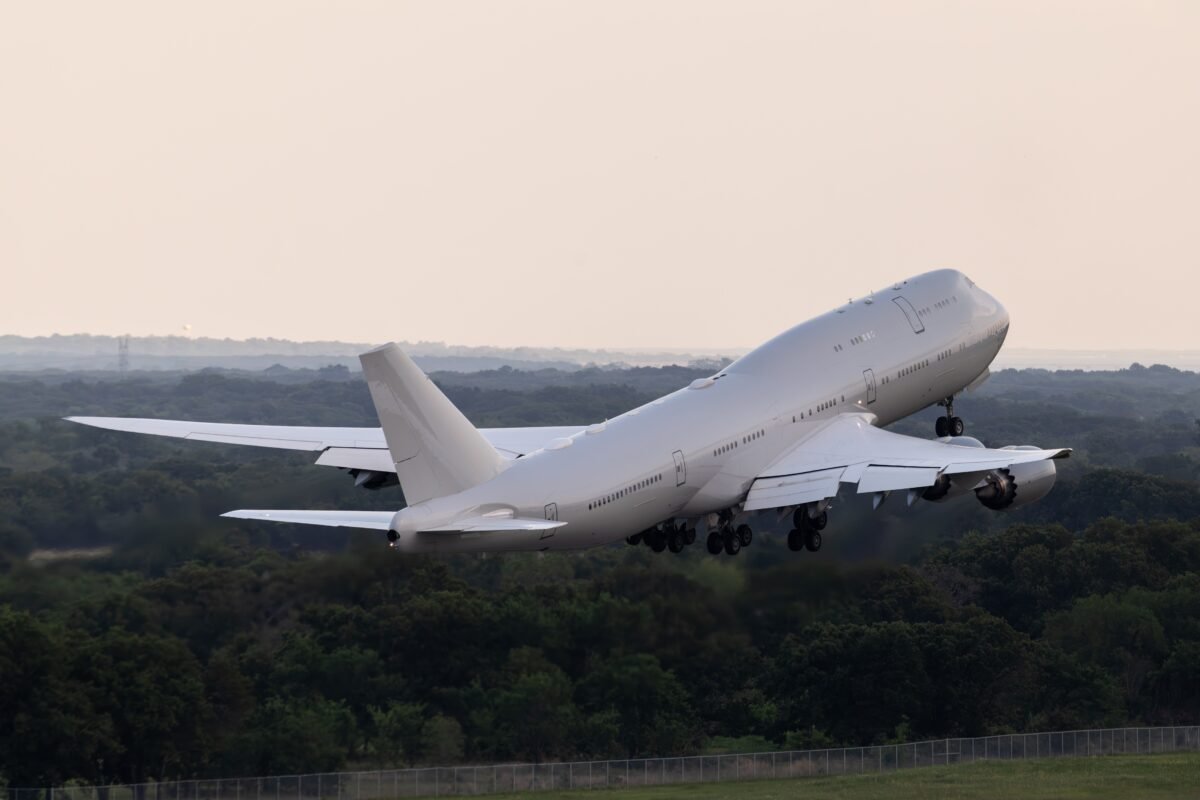
| Boeing 747-400F | Intercontinental heavy freight and large-volume urgent cargo | Main deck capability with strong payload and long range |
| Airbus A330-200F | Medium-heavy lifts and efficient long-range support | Wide-body freighter balance for express and project cargo |
| C-130 variants | Remote access, tactical operations, short-runway missions | Useful for austere or infrastructure-constrained destinations |

4. True worldwide movement for cross-border energy supply chains
The oil and gas industry is global by default. Equipment manufactured in Houston may be needed in Aberdeen, Dubai, West Africa, or Southeast Asia within days. Cargo charter helps simplify that complexity by combining aircraft access, route planning, permits, customs support, and real-time coordination into a single mission framework.
That worldwide capability matters when standard networks do not serve the right airport, cannot guarantee handling standards, or add too many connection points. For remote fields, offshore support corridors, or secondary airports near operational sites, charter can be the more practical and more predictable option.

5. Safety, security, and compliance stay central
In the energy sector, the transport plan must support more than speed. It also has to protect chain of custody, satisfy dangerous goods requirements where applicable, maintain route discipline, and reduce avoidable handling risk. That is why operator vetting, handling expertise, and continuous monitoring matter as much as aircraft size.
For shippers moving high-value or sensitive cargo across borders, a dedicated charter model can provide stronger mission visibility and tighter control than fragmented network freight.
Payload comparison
Published max payload figuresHeavy-lift aircraft stand out for outsized energy cargo, especially when payload concentration and loading geometry are major planning factors.
Range comparison
Published nautical mile figuresLong-range freighters help reduce network fragmentation, while tactical aircraft remain valuable when airport access and runway conditions drive the mission.
How a cargo charter mission typically supports an oil and gas requirement
Why choose Safe Fly Aviation for oil and gas cargo charter
For energy-sector operators, the value of a cargo charter provider lies in the ability to combine aircraft access with execution discipline. Safe Fly Aviation presents itself as a mission-focused operator with 15+ years of aviation experience, access to 7,200+ aircraft, worldwide operational reach across 60+ countries, and a 24/7 global operations desk. See our broader cargo charter guide for the full range of freighter options available across the network.
- Heavy-lift and express cargo capability for urgent, oversized, and specialist freight
- Worldwide support structure for permits, customs, and ground coordination
- Published experience serving oil and gas missions, including heavy offshore equipment moves
- Additional capability across AOG, helicopter, private jet, and special mission support
Frequently asked questions
What is the main benefit of cargo charter for oil and gas logistics?
The main benefit is operational control under time pressure. Dedicated cargo charter helps operators reduce delay exposure, protect uptime, and move freight on a schedule built around the mission.
Can cargo charter aircraft move oversized oilfield equipment?
Yes. Heavy-lift aircraft such as the Antonov An-124 and Boeing 747 freighters are well suited to large, heavy, and non-standard project cargo.
Is cargo charter useful for remote or infrastructure-constrained destinations?
Yes. Remote-access capable aircraft and flexible route planning make charter especially valuable where scheduled freight networks offer limited airport coverage or poor timing.
Why not use sea freight or scheduled cargo instead?
Those options can work for non-urgent shipments, but they often lack the speed, flexibility, and direct handling control needed when downtime, shutdown windows, or critical project deadlines are involved.
Need a faster solution for urgent oil and gas cargo?
Explore dedicated freight options from Safe Fly Aviation or speak with the team about a time-critical mission. Our operations desk is available 24/7 for urgent charter requirements.