What Is an Aircraft APU | Strategic Analysis & Importance
What Is an Aircraft APU?
Strategic Analysis & Operational Importance

Key Takeaways for Aviation Executives
Every modern commercial aircraft carries a small, powerful turbine hidden in the tail cone — the Auxiliary Power Unit (APU). Though invisible to passengers, the APU is operationally indispensable, providing electrical power and pneumatic bleed air when main engines are off. This strategic analysis examines APU technology, economic impact, maintenance strategies, and optimization opportunities for airlines and lessors.Source: Honeywell APU Market Outlook 2026
1. What Is an APU? Technical Overview
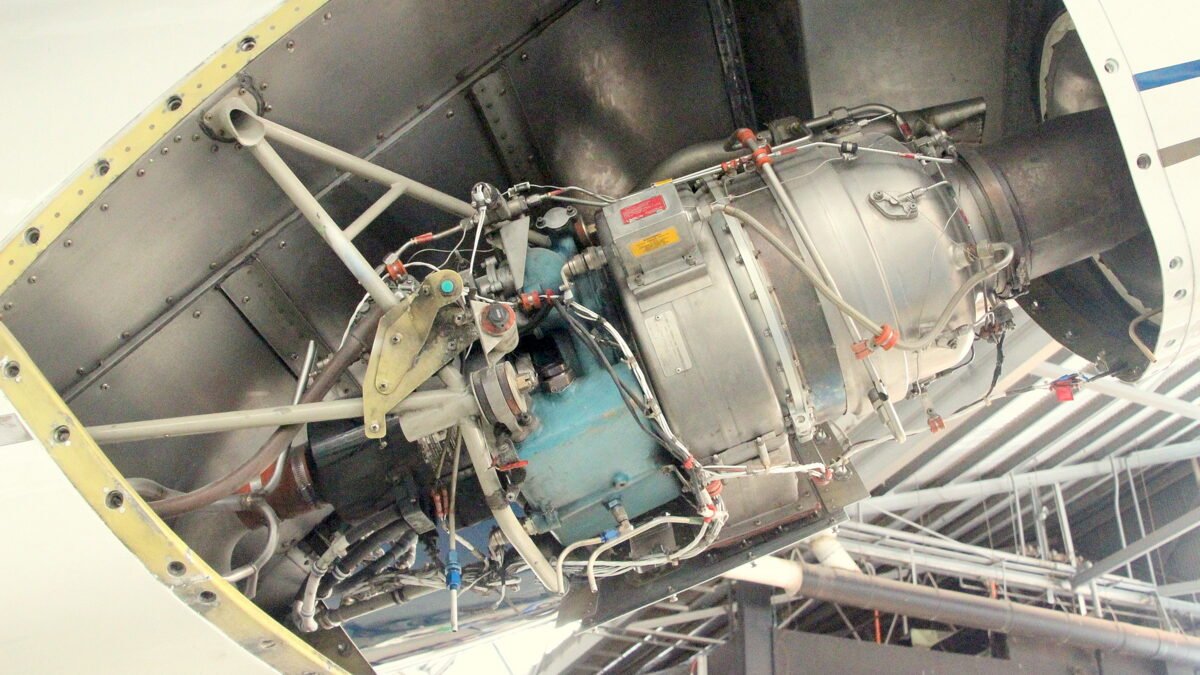
The Auxiliary Power Unit is a self-contained gas turbine engine — typically 200-800 horsepower — mounted in the aircraft tail cone. Unlike main engines, the APU does not provide thrust. Instead, it drives an electrical generator and a bleed air compressor. APUs operate at high altitudes (up to 41,000 feet) during engine-off ground operations and emergency in-flight conditions. Major APU manufacturers include Honeywell (GTCP series), Pratt & Whitney (APS series), and Safran (REO series).Source: Aircraft Systems Engineering, FAA Advisory Circular 25.1359
| APU Model | Typical Aircraft | Power Output (kVA) | Bleed Air (lb/min) | Fuel Burn (kg/h) |
|---|---|---|---|---|
| Honeywell GTCP131-9A | B737NG/MAX | 90 | 160 | 185 |
| Honeywell GTCP331-500 | A320ceo/neo | 90 | 180 | 195 |
| Pratt & Whitney APS3200 | A320 family | 120 | 200 | 210 |
| Pratt & Whitney APS5000 | B787 | 250 | 280 | 260 |
| Safran RE220 | A330/A340 | 140 | 240 | 230 |
2. Core Operational Functions
The APU serves four critical roles in daily airline operations:
- Ground Electrical Power: Powers avionics, cabin systems, galley, and air conditioning during boarding, deplaning, and layovers — eliminating main engine running.
- Engine Start Bleed Air: Provides high-pressure pneumatic air to start main engines, eliminating the need for external ground air carts.
- Air Conditioning (Pack Operation): Drives packs during ground operations, maintaining cabin comfort for passengers and crew.
- In-Flight Backup: Provides emergency electrical and pneumatic backup if main engine generators fail (critical for ETOPS certification).
Strategic Insight: ETOPS Enabler
For extended-range twin-engine operations (ETOPS), a reliable APU is mandatory. The APU serves as the primary backup power source for flight-critical systems, making its dispatch reliability a regulatory requirement for long-haul routes.
3. Fuel Economics: APU vs. Main Engine vs. Ground Power
Fuel consumption is the dominant APU operating cost. A typical narrowbody APU burns 150-200 kg/hour, while main engines consume 800-1,200 kg/hour on the ground. Using APUs instead of main engines for ground operations saves 600-1,000 kg per hour. However, ground power units (GPUs) and preconditioned air (PCA) are even more efficient — costing 70-80% less than APU operation on a per-hour basis. The breakeven point depends on local electricity and fuel prices.Source: IATA APU Optimization Best Practices 2026
4. APU MRO: Lifecycle & Maintenance Strategy
APU maintenance is driven by hours and cycles. Typical TBO (time between overhaul) ranges from 8,000 to 12,000 hours, with hot section inspection every 2,500-3,500 hours. Major MRO providers (Honeywell, Pratt & Whitney OEM facilities, and independent shops like SR Technics) offer APU overhaul services. Condition-based maintenance using real-time performance monitoring (EGT margin, fuel flow, starter-generator health) can extend TBO by 15-20%, reducing lifecycle costs by $50,000-80,000 per APU.Source: APU MRO Market Report 2026
5. APU OEM Landscape & Market Trends
Honeywell and Pratt & Whitney control approximately 85% of the commercial APU market, with Safran holding most of the remainder. Honeywell's GTCP series dominates narrowbody (B737, A320) and business aviation. Pratt & Whitney's APS series is standard on A330, B787, and newer A320neo. Emerging trends include all-electric APUs (reducing bleed air extraction) and hybrid APU-battery systems for electric taxi operations.Source: Honeywell, Pratt & Whitney APU Product Catalog 2026
| Manufacturer | Primary Models | Market Share | Key Aircraft |
|---|---|---|---|
| Honeywell | GTCP131-9A, GTCP331-500, GTCP331-600 | 50% | B737, A320, B777 |
| Pratt & Whitney | APS3200, APS5000, APS2300 | 35% | A320, B787, A330 |
| Safran Power Units | RE220, RE250 | 12% | A330, A340, A380 |
| Other | PBS, others | 3% | Regional, business |
6. APU Optimization Strategies for Airlines
Airlines can significantly reduce APU-related costs through four strategies: (1) Ground power usage optimization — use GPU/PCA where available and cost-effective; (2) APU hour reduction during long layovers — extended electrical ground power connections; (3) Performance recovery washes — compressor cleaning every 500-1,000 hours; (4) Real-time monitoring — EGT trend analysis predicts failures before they cause AOG.Source: IATA Fuel Efficiency Gap Analysis
Annual Savings Potential (Per Aircraft)
Optimized APU management can save 200-300 hours of APU operation annually → 30,000-50,000 kg fuel → $25,000-45,000 at current fuel prices. For a fleet of 100 aircraft, total annual savings exceed $3 million.
7. Future Trends: Electric Taxi & More Electric Aircraft
The APU role is evolving with More Electric Aircraft (MEA) architectures. Electric taxi systems (WheelTug, Honeywell eTaxi) will allow aircraft to move without main engines or APU bleed air. Next-generation APUs (e.g., Pratt & Whitney's hybrid concepts) integrate battery storage and variable-speed generators. By 2035, analysts project that 30-40% of new aircraft will feature APU-battery hybrid systems, reducing ground fuel burn by 50-60%.Source: APU Next-Gen Technology Roadmap 2026
Frequently Asked Questions (Aircraft APU)
References & Data Sources
- Honeywell APU Market Outlook 2026
- Pratt & Whitney APU Product Technical Data
- IATA APU Optimization Best Practices
- FAA Advisory Circular AC 25.1359 - APU Requirements
- APU MRO Market Report 2026 - Oliver Wyman
- International Society of Transport Aircraft Trading (ISTAT) APU Valuation Guide
APU Strategy & Fleet Optimization Advisory
Safe Fly Aviation provides enterprise consulting on APU maintenance strategies, fuel efficiency programs, and power system optimization for airlines and lessors.
Request Strategic Briefing → APU Advisory ServicesStrategic Conclusion
The APU is far more than a simple convenience — it is a strategic asset that directly impacts fuel cost, dispatch reliability, ETOPS capability, and passenger comfort. Airlines that implement APU optimization programs — GPU integration, condition-based maintenance, and crew training — will realize annual savings of $30,000-50,000 per narrowbody and $60,000-100,000 per widebody. As aircraft become more electric, the APU will evolve — but its operational importance will remain central to commercial aviation.