

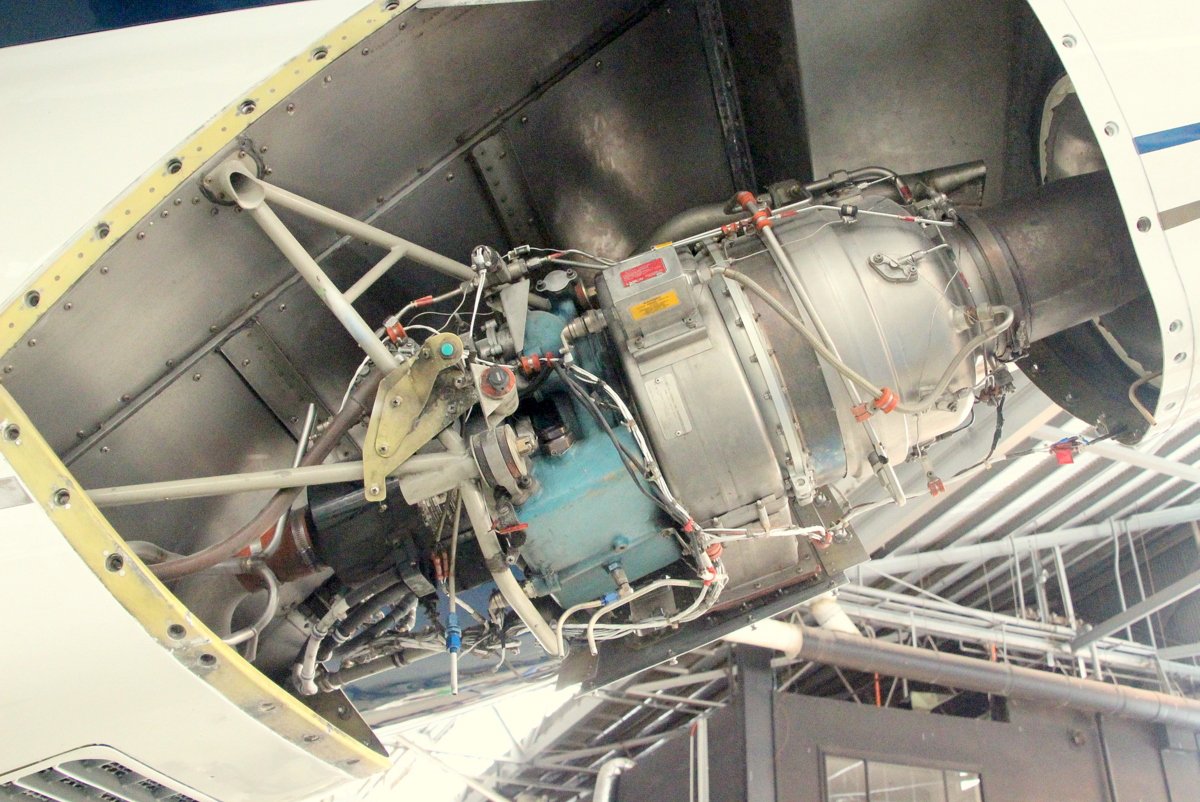
What Is an Aircraft APU | Strategic Analysis & Importance

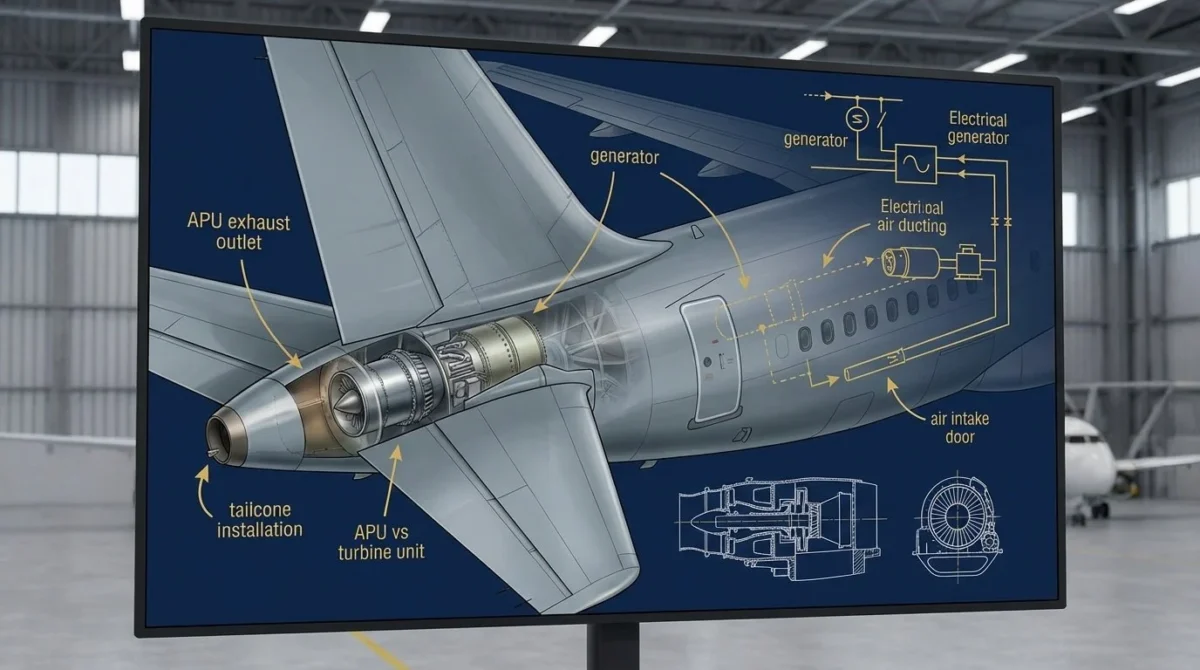
The History of Aircraft APUs: From Early Innovations to Modern Essentials | Safe Fly Aviation
Comprehensive engineering analysis of aircraft Auxiliary Power Units (APUs). Cutaway illustration shows modern gas turbine APU internals with engineering blueprints representing historical evolution from 1910s early auxiliary engines through WWII piston units to 1963 Boeing 727 commercial milestone and todays advanced turbine systems. Image conveys technical progression from Riedel starters and wartime support units to modern Honeywell GTCP series and Pratt & Whitney APUs in commercial airliners (A320neo, A350, B777, A380) and business jets (GTCP36 series). Technical overlay elements include electrical and pneumatic system diagrams, more-electric aircraft architectures, future fuel cell (SOFC) technology, and sustainable aviation fuel (SAF) compatibility. Professional aviation engineering publication aesthetic suitable for technical readers, maintenance engineers, aviation students, and industry professionals.