The Evolution of Aero Engines Over the Last 50 Years: From Power to Precision
The Evolution of Aero Engines Over the Last 50 Years: From Power to Precision
Over the last five decades, aero engines have undergone one of the most remarkable transformations in engineering history. From noisy, fuel-hungry turbojets to today’s ultra-efficient turbofans and advanced helicopter turboshaft engines, propulsion technology has continuously evolved to meet the growing demands of performance, safety, sustainability, and cost-efficiency.
For an industry that connects continents, supports global trade, and enables rapid mobility, the engine remains the heart of aviation. At Safe Fly Aviation, understanding these advancements directly influences aircraft selection, operational efficiency, and client experience.
• Helicopter MTBF: +900% improvement • Noise footprint: -75% cumulative
1. The Starting Point: Aero Engines in the 1970s
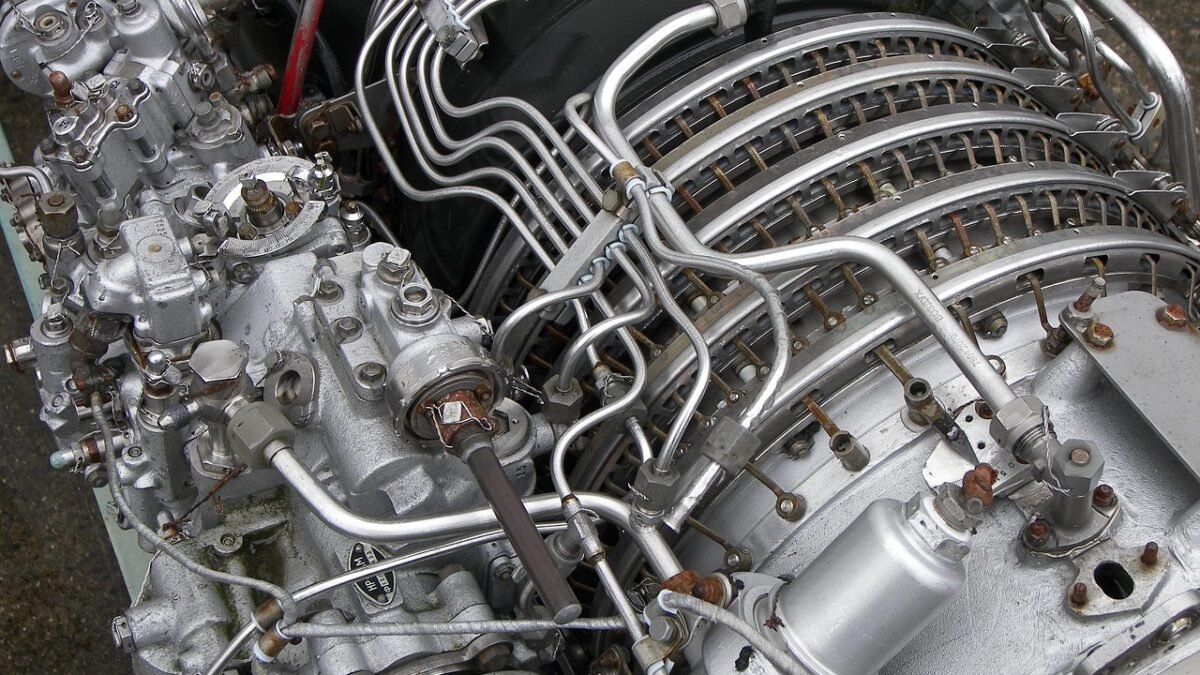
To understand where we are today, we must first revisit the 1970s—a pivotal decade that set the foundation for modern aero engines. Early turbofan engines had relatively low bypass ratios (~1.5:1), limited materials, and lower thermal efficiency. However, they marked the beginning of a shift toward economical air travel. In parallel, helicopter turboshaft engines began replacing piston engines, radically improving power-to-weight ratio.
2. The Rise of High-Bypass Turbofan Engines
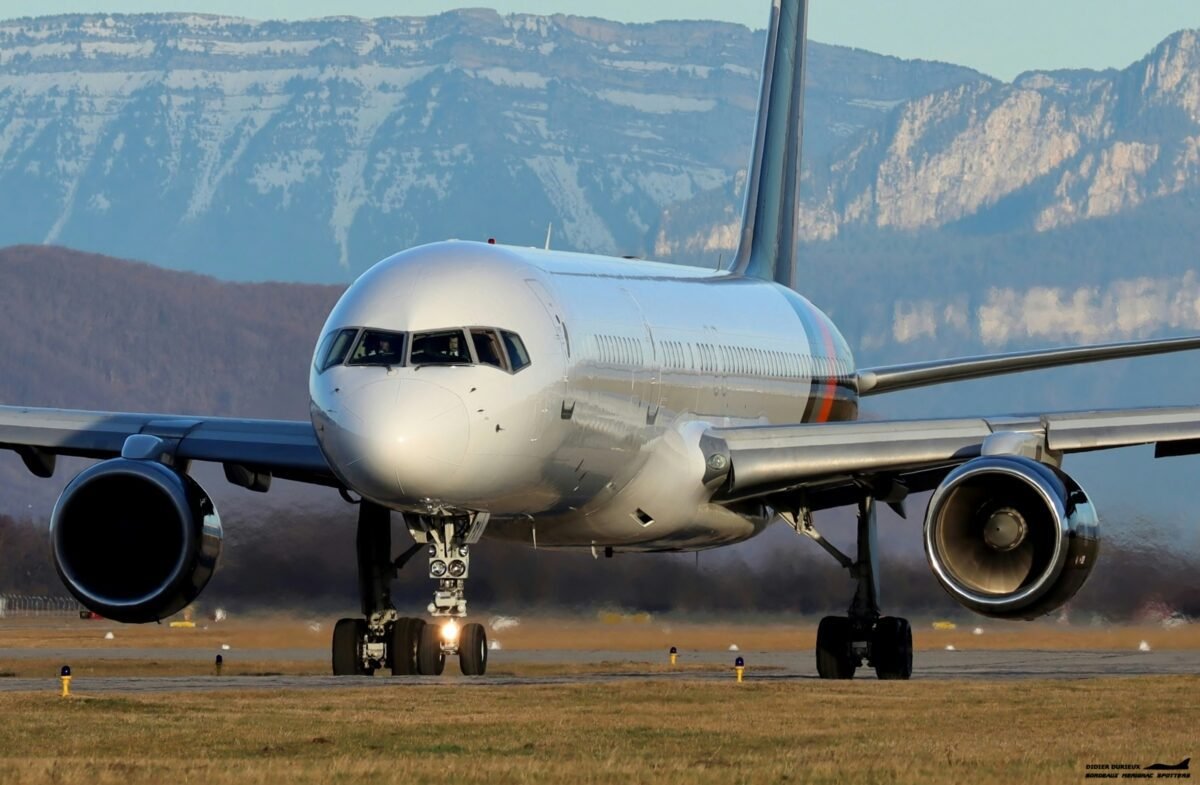
From the late 1970s into the 1990s, high-bypass turbofan engines revolutionized commercial aviation. Bypass ratios grew from 2:1 to over 6:1, then 9:1, and now ultra-high bypass designs (10-12:1). Fuel efficiency soared, noise levels dropped by more than 70% compared to early turbojets. The introduction of FADEC and advanced aerodynamics delivered unprecedented reliability.
3. Helicopter Engine Evolution: Vertical Flight Excellence
Modern turboshaft engines like the Arriel series offer exceptional reliability with millions of flight hours and extended maintenance intervals. Over 10,000 Arriel-family units have accumulated tens of millions of flight hours globally — a testament to engineering robustness. For VIP helicopter charters at Safe Fly Aviation, this means 99.5%+ dispatch reliability.
4. Materials Revolution & Digital Intelligence
Single-crystal turbine blades, ceramic matrix composites, and advanced thermal barrier coatings allow engines to operate at 1600°C+ turbine inlet temperatures. Full Authority Digital Engine Control (FADEC) with real-time health monitoring reduces operating costs by up to 18% for private operators, translating to more competitive charter rates and enhanced safety.
5. Sustainability Roadmap & Future Vision
With hybrid-electric, hydrogen combustion, and open-rotor architectures on the horizon, the next decade will achieve net-zero aligned propulsion. The last 50 years delivered a 40% reduction in CO₂ per seat-mile — an incredible feat. At Safe Fly Aviation, we integrate the most efficient turbine platforms and monitor emerging SAF compatibility, offering clients a greener premium experience.
The journey of aero engines is far from over — it is accelerating toward intelligent, silent, and sustainable horizons.
Experience next‑gen aviation
Private jet · VIP helicopter charter · Aircraft sales & management