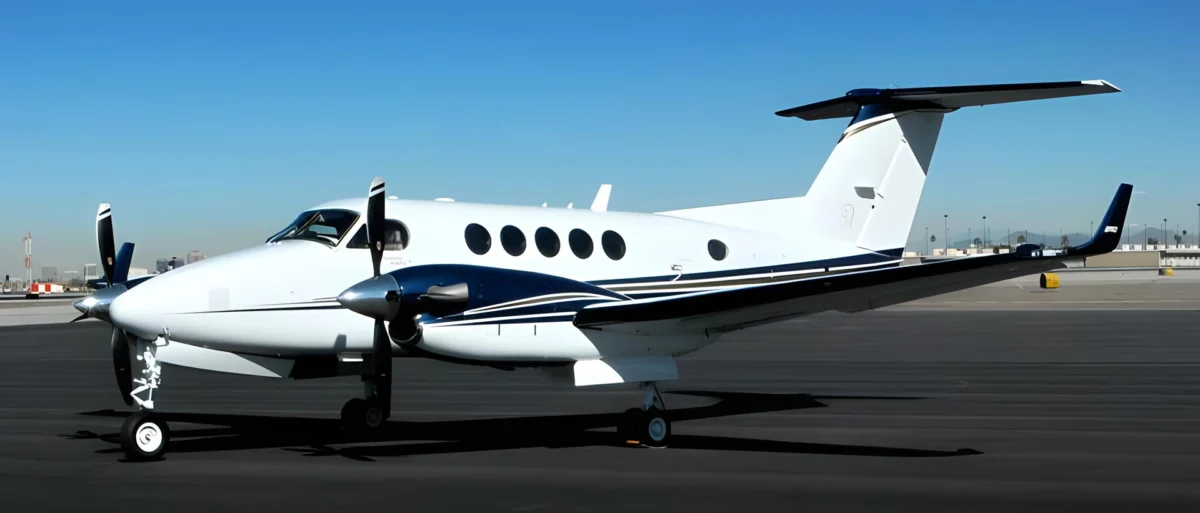
Transporting Livestock by Air: Safe Fly Aviation Expertise in Cargo Charter Solutions
Transporting Livestock by Air:
Safe Fly Aviation's Global Charter Expertise
From a single thoroughbred racehorse to thousands of sheep destined for the Gulf, Safe Fly Aviation orchestrates every dimension of live animal air freight — aircraft sourcing, IATA-compliant stalling, veterinary coordination, customs clearance, and welfare-first in-flight care across every continent.
2023–2028
Support
UK · Dubai · Delhi · Seattle
Across All Species
The Case for Chartering — Speed, Welfare & Reach
Air transport is universally regarded as the most humane and efficient method for long-distance livestock shipments. Unlike weeks-long sea voyages or arduous road transits, a properly managed air charter moves animals in hours — dramatically reducing physiological stress, mortality risk, and weight loss that erode the commercial value of every consignment.
Drastically Shorter Transit
A transcontinental sea journey takes 4–6 weeks. An equivalent air charter takes hours. For pigs, young calves, and poultry, minimising time in transit is directly correlated with survival rate and post-arrival recovery.
Controlled Environment
Modern wide-body freighters maintain precise ECS (Environmental Control System) settings — temperature, humidity and ventilation — customised per species. No other mode provides this level of in-transit climate control.
Global Network Access
Safe Fly Aviation's partnerships with leading cargo airlines unlock direct access to airports in the Middle East, Central Asia, Sub-Saharan Africa, and the Americas — regions poorly served by refrigerated sea routes.
Species-Specific Expertise
From IATA-compliant aluminium stalls for cattle and airstables for horses, to custom ventilation plans for poultry, we provide purpose-built solutions for every species — not generic cargo handling.
Loading Requirements by Species
IATA Live Animals Regulations (LAR) — minimum standards applied to every Safe Fly shipment
Horses & Equines
Airstable / Pallet SystemCattle & Bovines
Collapsible Aluminium StallsSheep & Goats
High-Density ConfigurationPigs & Swine
Temperature-CriticalExotic & Zoo Animals
CITES + Species-Specific PlansPoultry & Day-Old Chicks
Time-Critical DOC Flights


End-to-End Operations: From First Call to Final Delivery
-
01
Consultation & Aircraft Sourcing
We begin with a detailed species assessment — head count, weight class, origin/destination, and required transit time. Our team sources the optimal freighter from our global airline network, ranging from narrow-body solutions for small consignments to B747-400F full charters for large-scale livestock movements.
-
02
Regulatory & Documentation Clearance
Livestock movements cross layers of regulation: IATA LAR compliance, CITES permits for exotic species, national export health certificates, import quarantine approvals, and airline-specific acceptance requirements. Our operations team manages the full documentation stack — ensuring zero delays at origin or destination.
-
03
Equipment, Stalling & Pre-Flight Preparation
Collapsible aluminium stalls for cattle, IATA-approved airstables for horses, custom ventilated pens for sheep and goats — all equipment is sourced, inspected, and configured prior to loading day. Animals are pre-conditioned to crates where welfare protocols demand it, and are health-checked and certificated by an accredited veterinarian before departure.
-
04
Loading & Ground Operations
Ground time is the highest-risk phase of any livestock movement. We coordinate with ground handlers to prioritise loading/unloading windows, minimise ramp exposure, and maintain strict temperature controls. Animals are never loaded during peak heat above 29°C (85°F) unless forced-air holding facilities are available.
-
05
In-Flight Monitoring & Care
For long-haul flights, Safe Fly arranges space for accompanying veterinarians and trained handlers who provide feeding, watering, and welfare checks per IATA LAR schedules. ECS settings are confirmed with the crew for each species zone. Real-time status updates are relayed to the client throughout the flight.
-
06
Arrival, Customs & Post-Flight Handling
At destination, our ground coordination team ensures prompt collection and quarantine processing. We pre-arrange receiving facilities that meet the destination country's biosecurity standards, minimising the critical post-flight stress window. A full transit report is provided to every client.
Animal Welfare Standards
Pre-flight acclimatisation: Animals are introduced to crates progressively where time permits, reducing fear response during loading and transit.
85°F/29°C loading rule: No loading during peak heat without forced-air holding facilities. Night operations are scheduled when seasonal temperatures demand it.
Species segregation: Poultry, swine, and large ruminants are never carried in the same ECS zone — conflicting temperature requirements compromise all animals when mixed.
IATA LAR compliance: Every shipment is designed and executed against the current edition of IATA's Live Animals Regulations — the global gold standard for commercial animal transport.
Veterinary oversight: Accredited vets certify fitness-to-fly before departure and, for sensitive or high-value animals, accompany the consignment to destination.
Key Challenges — How We Mitigate Them
Ground operations in tropical or Gulf climates present critical heat stress risk. We schedule night loading, use temperature-controlled holding areas, and confirm hold ECS capability before aircraft acceptance.
Poultry requires warmer holds than large mammals. We plan single-species configurations wherever possible and use zoned aircraft when mixed loads are unavoidable.
Import quarantine rules, health testing windows, and CITES obligations vary by country and species. Our compliance team builds the full documentation matrix weeks before departure.
We optimise air costs through backhaul coordination, partial-charter consolidation, and return-leg cargo matching — reducing per-head air freight cost without compromising welfare.
Growing Demand — A Market Expanding at 5.07% CAGR
The global livestock air freight market is driven by structural demand growth across food security, genetics, conservation, and pet industries — with the Middle East, South and Southeast Asia, and Sub-Saharan Africa as primary import markets.
Protein Demand & Food Security
Developing economies — particularly Gulf states, Southeast Asia, and parts of Africa — import large volumes of live cattle and sheep for local slaughter, requiring rapid delivery that only air freight can provide at the required scale and speed.
Breeding & Genetic Programs
High-value breeding stock — elite Holstein cattle, pedigree boars, champion racehorses — commands premium genetics that justify the cost of air transport many times over. Single breeding animals can represent multi-million dollar investments.
Conservation & Zoological
International conservation programmes depend on air transport to relocate endangered species for captive breeding, genetic diversity initiatives, and rewilding projects. CITES-compliant charter operations are Safe Fly's speciality in this segment.
Equine & Pet Markets
The GCC's equine industry — thoroughbred racing, endurance, show jumping — drives sustained demand for horse air transport across the Gulf, Europe, and beyond. Premium pet relocation also forms a growing segment of the live animal charter market.
Why Leading Operators Choose Safe Fly Aviation
Decades of Live Animal Charter Experience
In-depth operational knowledge of IATA LAR across cattle, horses, sheep, goats, pigs, poultry, and exotic species — not generic cargo handling applied to live animals.
Global Airline Network & Fleet Access
Direct relationships with cargo airlines operating wide-body and specialist freighters ensure competitive pricing and schedule flexibility that brokers without airline access cannot match.
Welfare-First Operations
Our procedures exceed minimum IATA standards. Animal welfare is not a compliance checkbox — it protects the commercial value of your consignment and your organisation's reputation.
End-to-End Logistics Management
From documentation and aircraft sourcing to ground handling and post-arrival quarantine coordination — one point of contact owns the entire operation, eliminating the gaps where livestock shipments fail.
Offices in Key Markets
Presence in New Delhi, Dubai, London, and Seattle means local regulatory expertise and relationships in the world's most active livestock import and export corridors.
24/7 Operational Support
Livestock do not follow office hours. Our operations team is available around the clock for real-time updates, contingency management, and client communication throughout every shipment.
Your Livestock Deserve
Expert Hands in the Air
Whether you're moving a single champion stallion from Newmarket to Dubai or 2,000 sheep from Australia to the Gulf, Safe Fly Aviation delivers the planning precision and operational expertise your consignment demands. Contact our live animal charter desk for a detailed, species-specific quotation.
Quick Enquiry
Typical response within 2 business hours · All enquiries handled in strict confidence
Frequently Asked Questions
Common questions about livestock air charter — from regulations and aircraft to cost and welfare.