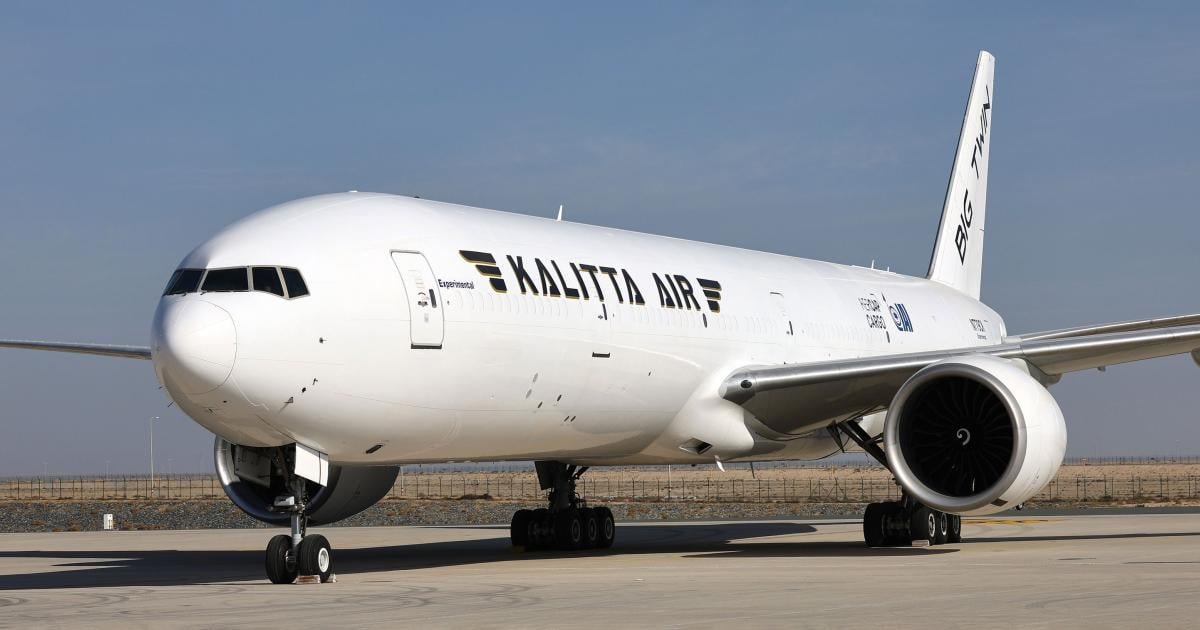


Boeing 777-300ERSF Enters Service: The Big Twin Reshaping Global Air Cargo
Boeing 777-300ERSF Enters Service:
The "Big Twin" Reshaping Global Air Cargo
The air cargo world just got a powerful new workhorse. In late 2025, the Boeing 777-300ERSF — the world's first certified passenger-to-freighter (P2F) conversion of the iconic 777-300ER — officially entered revenue service. Nicknamed the "Big Twin" by its creators at Israel Aerospace Industries (IAI) and AerCap Cargo, this aircraft is redefining what twin-engine freighters can do.
What Makes the Boeing 777-300ERSF Special?
Born from the hugely successful passenger 777-300ER — the best-selling widebody in aviation history — the -300ERSF preserves the same proven airframe, GE90-115B engines, and long-range DNA while transforming the cabin into a cavernous cargo hold.
Compared with the 747-400F it frequently replaces, the 777-300ERSF burns 21% less fuel per tonne-kilometre and cuts CO₂ emissions by approximately 20%. Operators gain lower operating costs, quieter operations, and ETOPS twin-engine reliability that opens more direct route pairs.
The P2F Conversion Process: From Passengers to Payload
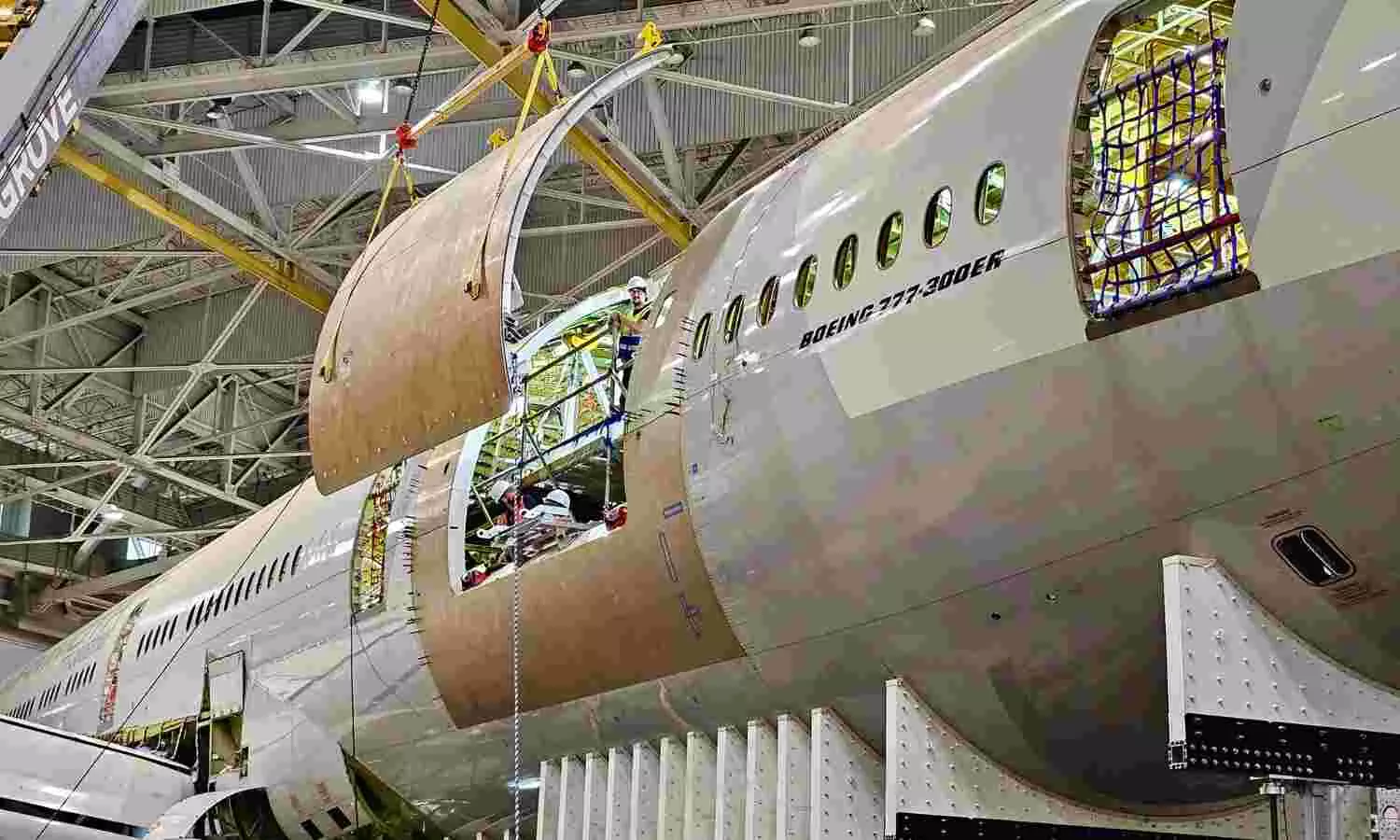
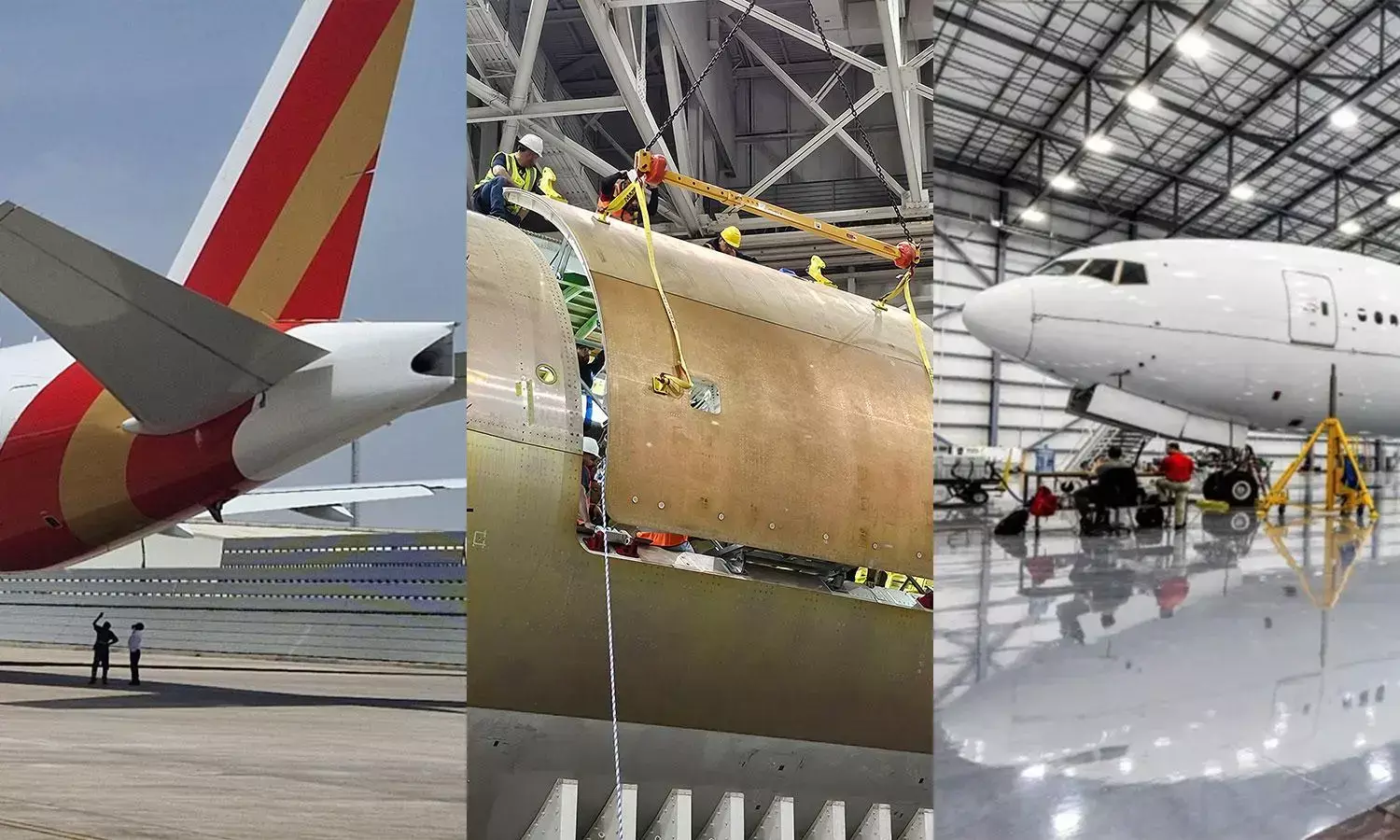
IAI's programme, launched in 2019 with AerCap, typically takes around 150 days at their certified facilities. FAA and Israeli CAA Supplemental Type Certificate (STC) approval arrived in September 2025 after extensive testing — the first-ever STC for a 777-300ER conversion. Here is what the process involves:
- Cutting and reinforcing the fuselage for a large side cargo door
- Removing all passenger seating, galleys, and windows
- Installing a reinforced aluminium cargo floor and 9g crash barrier
- Adding advanced cargo loading systems and fire suppression
- Full systems recertification for cargo operations (FAA & Israeli CAA STC)
The aircraft retains its original Maximum Take-Off Weight (MTOW up to 777,000 lb) and range capability while shedding empty weight to maximise revenue payload.
Technical Specifications at a Glance
| Parameter | Specification |
|---|---|
| Max Structural Payload | 100–101.7 tonnes (220,000–222,000 lbs) |
| Cargo Volume (Total) | 811 m³ / 28,640 ft³ |
| Main-Deck ULD Positions | 33 positions + lower holds |
| Range at Max Payload | ~4,650 nm Transatlantic / Transpacific |
| Engines | GE90-115B (same as passenger 777) |
| Crew | 2 pilots + optional supernumerary |
| Fuel Efficiency vs 747-400F | 21% better per tonne-kilometre Greener |
| CO₂ Reduction vs 747-400F | ~20% lower emissions |
| vs Boeing 777F (Production) | 25% more cargo volume |
| STC Approval | September 2025 — FAA & Israeli CAA |
These numbers make the 777-300ERSF the ideal workhorse for high-density e-commerce, automotive parts, pharmaceuticals, race cars, aircraft engines, and live animals.

A twin-engine freighter offering 100 metric tonnes of payload with the fuel economics of a modern widebody — the Big Twin is arguably the most compelling freighter proposition since the 747. SafeFly Aviation Analysis, 2026
Current Operators & Early Success Stories
Kalitta Air (USA) became the launch operator. AerCap delivered the first two aircraft in September 2025, with the inaugural revenue flight on behalf of DHL Express taking place in early October 2025.
With passenger 777-300ER production winding down in 2025, hundreds of young airframes are now ideal feedstock — creating a pipeline of 60+ aircraft expected within the next five years.
Future Possibilities & Market Opportunities
The timing could not be better. Global e-commerce continues to surge, supply chains are diversifying, and environmental regulations are tightening. The 777-300ERSF addresses all three trends simultaneously.
- Replacement market: Direct slot-in replacement for retiring 747-400Fs and older 777F production freighters worldwide.
- New route potential: Longer range and twin-engine economics open secondary city-pair routes previously uneconomical for widebody freighters.
- Sustainability edge: Lower emissions directly support ESG reporting goals and tightening carbon regulations in Europe and beyond.
- Leasing & MRO demand: A growing conversion pipeline creates significant aftermarket and MRO opportunities in Asia, Europe, the Middle East, and Latin America.
- Competing programmes: Kansas Modification Center's 777-300ERCF is targeting a late-2026 STC — but the IAI/AerCap 777-300ERSF is already flying and proven today.
Frequently Asked Questions
What is the Boeing 777-300ERSF?
How much payload can the 777-300ERSF carry?
How fuel-efficient is the 777-300ERSF compared to the 747-400F?
Who operates the Boeing 777-300ERSF today?
How long does a 777-300ER P2F conversion take?
Ready to Explore the 777-300ERSF
for Your Fleet?
Whether you are an airline evaluating feedstock, a lessor seeking high-yield freighter assets, or a cargo operator modernising your fleet, SafeFly Aviation's international team provides end-to-end P2F consultancy — from aircraft selection and STC navigation to MRO partnerships and market entry.