Landing Gear Corrosion Prevention: Complete Technical Guide
Landing Gear Corrosion Prevention: A Complete Technical Guide for Aviation Professionals

Key Takeaways: Landing Gear Corrosion Prevention
- Why it matters: Landing gear corrosion is a leading cause of unscheduled maintenance and can compromise structural integrity.
- Primary threats: Moisture entrapment, de-icing fluids, salt spray, FOD, and improper high-pressure washing.
- Best defenses: Regular detailed inspections, correct application of CPCs, proper cleaning techniques, and humidity-controlled storage.
- Compliance: Follow manufacturer AMM, NDT intervals, and OEM service bulletins — never skip or delay.
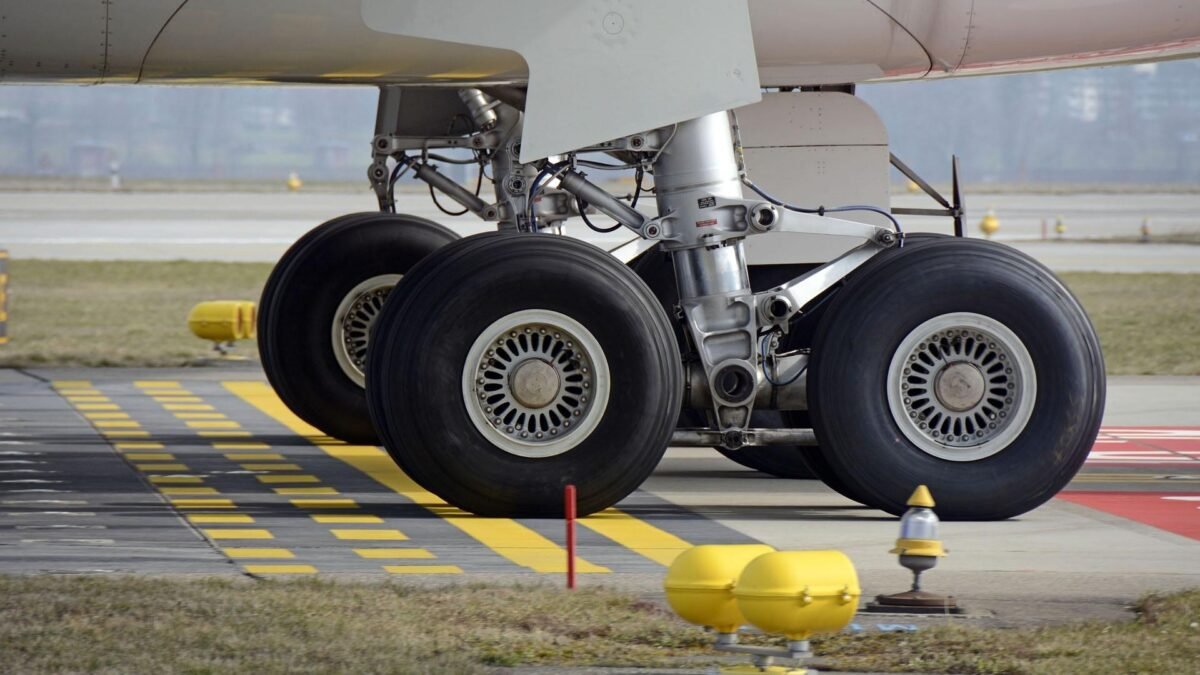
Landing gear is arguably the most mechanically stressed and environmentally exposed component on any aircraft. Operating in the "splash zone" near runways and taxiways, it endures constant bombardment from moisture, runway chemicals, hydraulic fluids, and abrasive debris. Corrosion in landing gear is not merely cosmetic — it can lead to stress cracking, bearing seizure, brake failure, and catastrophic structural failure if left unchecked.
This guide provides a comprehensive framework for landing gear corrosion prevention, covering vulnerability factors, inspection protocols, protection technologies, and actionable best practices drawn from aviation maintenance engineering principles.
40%
of Corrosion Found in Hidden Areas
24 Mo
Typical Heavy Inspection Interval
24/7
Technical Advisory Support
Why Landing Gear is So Vulnerable to Corrosion

Landing gear operates in a uniquely harsh environment — what engineers call a "splash zone". Unlike fuselage skin or wing surfaces, landing gear is repeatedly wetted by standing water, exposed to high-velocity FOD, and coated with aggressive chemicals.
Primary Corrosion Drivers
- Moisture Entrapment: Crevices, hinge points, and bearing assemblies trap water, promoting galvanic and pitting corrosion.
- De-icing & Anti-icing Fluids: Glycol-based fluids are hygroscopic and can penetrate micro-cracks, accelerating corrosion beneath coatings.
- Salt & Marine Environments: Chlorides from coastal operations or winter road treatments are extremely aggressive to alloy steels and aluminum components.
- High-Pressure Washing: Improper wash techniques force pressurized water past seals, displacing grease and leaving moisture inside critical assemblies.
- Hydraulic Fluid Residue: Skydrol and other phosphate esters can degrade paint and expose base metal.
Types of Corrosion Affecting Landing Gear
| Corrosion Type | Typical Locations | Detection Method |
|---|---|---|
| Surface / Uniform | Exposed struts, torque links, side braces | Visual inspection, paint blistering |
| Pitting | Chrome-plated piston rods, bearing journals | Magnification, eddy current, NDT |
| Crevice | Bolted joints, hinge points, wheel hub flanges | Disassembly inspection, borescope |
| Galvanic | Dissimilar metal interfaces (steel/aluminum) | Voltage potential check, visual (white deposits) |
| Stress Corrosion Cracking (SCC) | Heat-treated steel components, bolt holes | Fluorescent penetrant, MPI |
Prevention Technologies & Best Practices
Corrosion Prevention Compounds (CPCs)
- Apply thin-film CPCs (e.g., ACF-50, Corrosion X, LPS-3) to all unpainted surfaces and crevices.
- Reapply after every heavy wash or at 90-day intervals in aggressive environments.
- Avoid over-application on braking surfaces or areas that require friction.
Proper Cleaning Protocols
- Use low-pressure, non-immersion washing with approved mild detergents.
- Never direct high-pressure water at bearings, seals, or electrical connectors.
- Dry thoroughly with compressed air after washing, then apply CPC.
Inspection Frequency & Methods
- Daily: Visual walkaround focusing on chrome piston rods and exposed steel.
- Weekly: Detailed inspection of torque links, lock links, and uplocks.
- Annual/Phase: Borescope internal cavities, NDT per AMM Chapter 5.
Protective Coatings & Surface Treatments
Modern landing gear relies on multi-layer protection: cadmium or zinc-nickel plating on steel, anodizing on aluminum, followed by epoxy primers and polyurethane topcoats. Never field-strip these coatings — repair only per OEM-approved processes using touch-up kits. Chrome-plated piston rods require special care; any scratch or pit deeper than 0.001" must be evaluated for rework or replacement.
Environmental Controls
When aircraft are not in service for extended periods, store in climate-controlled hangars with relative humidity below 60%. Deploy landing gear desiccant bags inside wheel wells and cover exposed piston rods with protective sleeves. For aircraft based near coastlines, consider accelerated CPC application intervals.
Corrosion Inspection Checklist (Quick Reference)
Need assistance sourcing replacement landing gear components, arranging inspections, or coordinating overhaul services? Contact Safe Fly Aviation's technical advisory team →
Related Services & Resources
Landing Gear Corrosion Technical Advisory
Need expert guidance on corrosion prevention programs, inspection scheduling, or component sourcing? Our team can connect you with the right maintenance partners and technical resources.
Conclusion: Proactive Prevention Extends Component Life
Landing gear corrosion is predictable, detectable, and preventable. A robust corrosion control program — regular inspections, correct cleaning, timely CPC application — helps reduce maintenance costs and unscheduled downtime compared to reactive repairs. Make corrosion prevention a continuous practice, not a reactive checklist.
FAQs: Landing Gear Corrosion Prevention
How often should I apply Corrosion Prevention Compound (CPC) to landing gear?
For aircraft operating in standard environments, every 90 days or after every heavy wash. In coastal or industrial areas with high humidity/salt, consider 30–60 day intervals.
Can I use WD-40 or general lubricants on landing gear?
No. Only approved aviation-grade CPCs and lubricants (e.g., ACF-50, Corrosion X, LPS-3) should be used. General-purpose products may damage seals or lack necessary film strength.
What are the first signs of landing gear corrosion?
Paint blistering, white or red powdery deposits, staining around fasteners, chrome flaking on piston rods, and any unexpected stiffness in retraction/extension.
Is surface rust on landing gear always a problem?
Superficial staining on non-critical hardware may be cosmetic, but any pitting, scaling, or corrosion on structural components or chrome piston rods requires immediate engineering assessment.
Can Safe Fly Aviation help coordinate corrosion repairs?
Yes. Through our network of approved maintenance providers, we can assist with assessments, NDT coordination, and approved corrosion repairs per OEM standards.