Andes Hantavirus Advisory for Travelers & Charter Flights | Safe Fly Aviation
Andes Hantavirus (Huntah Virus) Advisory: Safe Travel & Charter Flight Protocols

Published by Safe Fly Aviation | safefly.aero
📑 Advisory Contents
✓ Overall public risk remains very low – according to WHO and CDC
✓ Commercial air travel is not high-risk – HEPA filtration systems provide protection
✓ Incubation period up to 42 days – monitor symptoms after potential exposure
✓ Safe Fly Aviation offers specialized medical repatriation – biocontainment and ICU-configured charter flights
✓ 24/7 global response available – contact our operations center for immediate assistance
1. Understanding the Current Situation
The ongoing cluster of Andes hantavirus cases — often referred to online as "Huntah Virus" — associated with the MV Hondius expedition cruise ship has attracted international attention. According to international public health authorities including WHO, CDC, and ECDC, this event involves the Andes hantavirus strain, the only known hantavirus with documented limited person-to-person transmission capability.
Current investigations indicate that the initial exposure likely originated from rodent-contaminated environments in parts of Argentina and Chile visited during the expedition. As of May 12, 2026, only a small number of confirmed infections and fatalities have been reported globally. International health organizations continue to monitor the situation closely.
• Limited cluster associated with MV Hondius expedition cruise ship
• Primary exposure: rodent-contaminated environments in Argentina/Chile
• Person-to-person transmission rare; requires prolonged close contact
• Overall global public risk remains very low per WHO assessment
2. Key Facts About Andes Hantavirus
🦠 Transmission
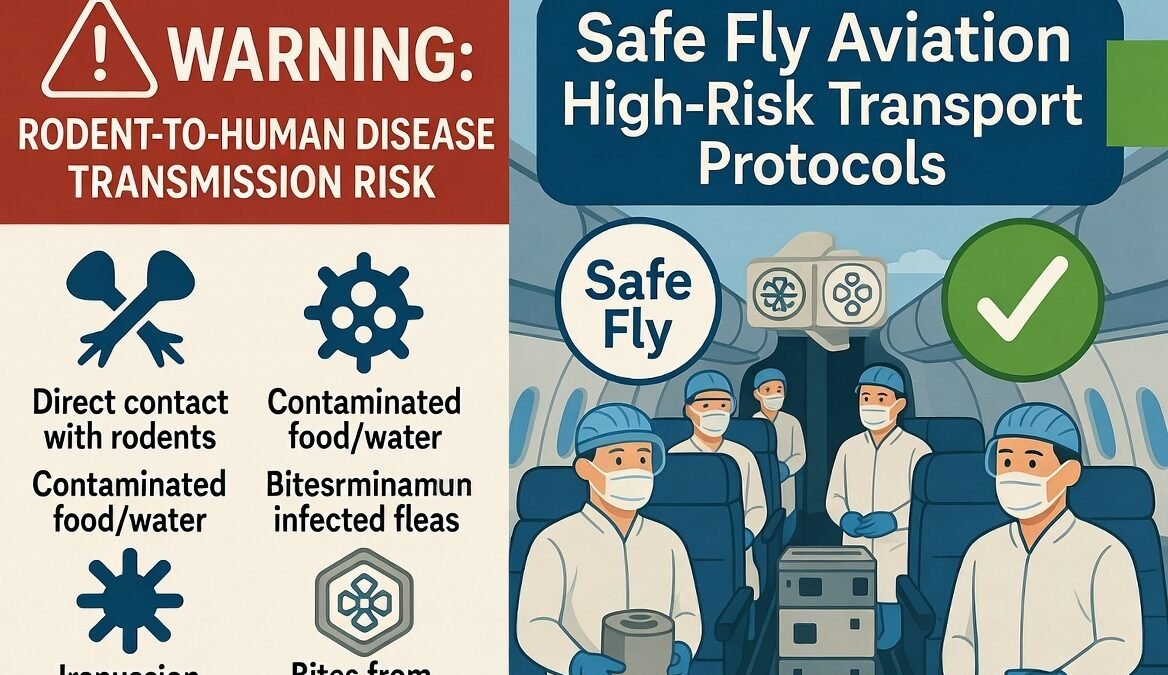
Primarily spread through exposure to infected rodent droppings, urine, or saliva. Limited human-to-human transmission may occur through prolonged close contact with symptomatic individuals.
⏱️ Incubation Period
Symptoms may appear up to 42 days after exposure, though most cases develop within 1–8 weeks.
🤒 Symptoms
Early symptoms resemble influenza: fever, muscle aches (especially thighs, hips, back), headaches, fatigue, nausea. Severe cases may progress to respiratory distress.
📊 Risk Level
Overall public risk remains very low according to WHO and CDC. Most exposures do not result in infection.
3. Aviation-Specific Risks and Realities
According to aviation health experts and international health authorities, commercial airline travel is currently considered extremely low risk for Andes hantavirus transmission. The virus does not spread efficiently through normal aircraft cabin airflow systems, and modern HEPA filtration systems remove over 99.9% of airborne particles.
However, specialized medical repatriation flights associated with suspected or confirmed cases require dedicated infection-control procedures, including biocontainment isolation units and medically supervised transport protocols.

• Modern aircraft HEPA filters capture >99.9% of airborne particles
• Cabin air is completely refreshed every 2–3 minutes
• No documented cases of in-flight hantavirus transmission
• Specialized medical charter operators (including Safe Fly Aviation) maintain dedicated infectious disease protocols
4. Safe Fly Aviation Protocols for High-Risk Passenger Transport
📋 Pre-Flight Screening
- Symptom questionnaires
- Temperature checks
- PCR testing where required
- Medical escort evaluations
✈️ Aircraft Preparation
- Dedicated aircraft allocation
- HEPA filtration systems
- Biocontainment isolation units
- Hospital-grade disinfection
🩺 Onboard Measures
- N95 or higher-grade PPE
- Restricted cabin movement
- Enhanced ventilation
- Continuous medical monitoring
🧼 Post-Flight Procedures
- Medical handover coordination
- Aircraft deep cleaning
- Cabin fogging and sterilization
- 42-day monitoring guidance
5. Recommendations for Travelers & Operators
- Avoid commercial air travel if you were onboard the MV Hondius or had close exposure to confirmed cases.
- Use dedicated charter repatriation or medically supervised flights where advised by health authorities.
- Maintain proper hygiene practices – regular hand washing, avoid face-touching during travel.
- Keep aircraft air vents open during flights to improve airflow circulation.
- Seek immediate medical attention if fever, severe muscle pain, or breathing difficulties develop within 42 days after possible exposure.
- Air operators should continue following WHO, CDC, and ECDC guidance. No blanket travel bans are currently recommended.
6. Why Choose Safe Fly Aviation for Medical Transport
With more than 15 years of international aviation experience across 60+ countries and access to a global network of over 7,200 aircraft, Safe Fly Aviation delivers secure, confidential, and medically coordinated charter solutions worldwide.
⏰ 24/7 Operations
Rapid-response global operations center available around the clock for immediate dispatch.
🏥 ICU Air Ambulance
Fully equipped medical jets and experienced aeromedical teams ready for complex cases.
🛡️ Biocontainment Expertise
Advanced infectious disease transport protocols and isolation capability for high-risk patients.
🤝 Government Coordination
Direct coordination with health authorities, embassies, and airport operators worldwide.
❓ Frequently Asked Questions
🩺 Need Medical Repatriation or Safe Charter Assistance?
Contact Safe Fly Aviation immediately for confidential consultation regarding medical evacuation, infectious disease transport, private charter solutions, or precautionary travel planning.
✉️ info@safefly.aero | 🌐 www.safefly.aero
• World Health Organization (WHO) – Hantavirus fact sheets and travel advisories
• Centers for Disease Control and Prevention (CDC) – Andes virus information
• European Centre for Disease Prevention and Control (ECDC) – current assessments
• Pan American Health Organization (PAHO) – regional surveillance data
• Safe Fly Aviation – internal medical transport protocols and operational standards
This advisory is based on publicly available guidance from international public health authorities as of May 12, 2026. Information and protocols may evolve as investigations continue.