Boeing 737 vs Airbus A320: Market Dynamics 2026 | Safe Fly Aviation
Boeing 737 vs
Airbus A320:
2026 Market
Dynamics
Airbus leads narrow-body aviation with 12,487+ cumulative deliveries and 60% market share. Boeing accelerates 737 MAX production recovery. Full data on deliveries, fuel efficiency, backlogs & forecasts to 2033.
Total Deliveries
Market Share
Order Backlog
Forecast by 2033
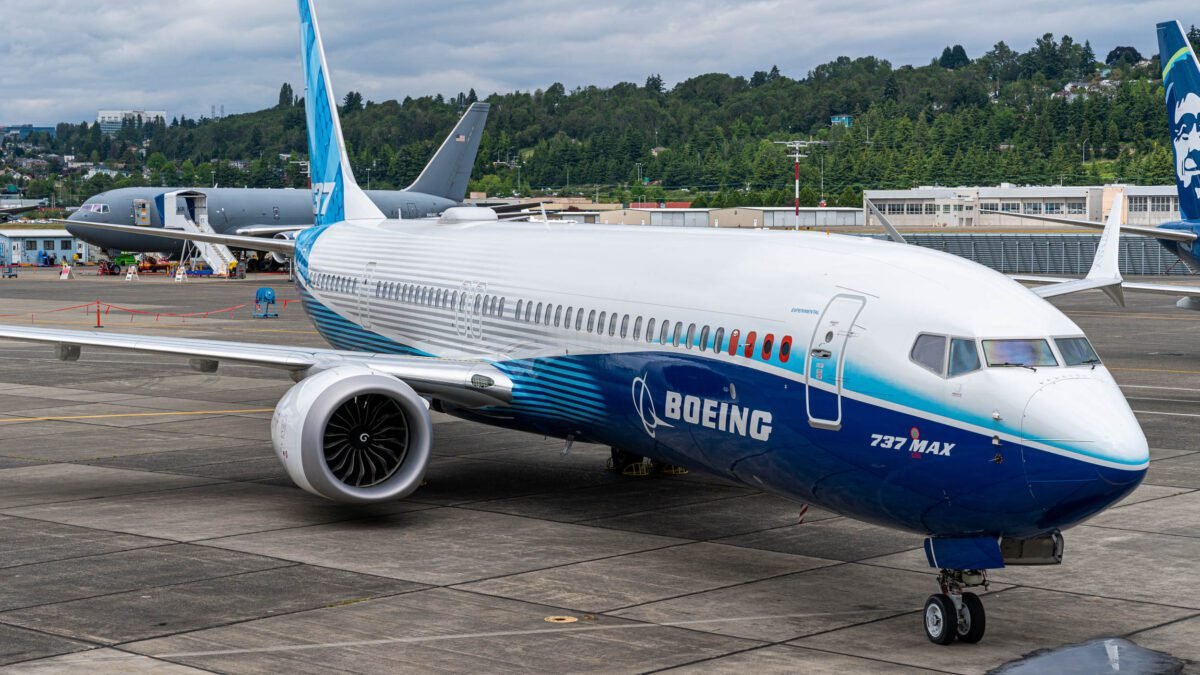
In 2026, the Airbus A320neo family leads the narrowbody market with ~60% share and 12,487+ cumulative deliveries, having surpassed the Boeing 737 as history's most-delivered jetliner in late 2025. The A320neo offers up to 20% fuel savings and holds a backlog of ~7,190 aircraft. Boeing's 737 MAX holds ~40% share with a backlog of ~4,887 and is ramping production to 52/month by end-2026.
A Brief History of the Rivalry
Launched in 1967, the Boeing 737 became the best-selling commercial jet for decades, celebrated for its reliability and operator-friendly economics. Airbus entered the single-aisle arena in 1988 with the A320, introducing fly-by-wire flight controls and a wider, more comfortable cabin — innovations that redefined narrowbody passenger experience.
The re-engined era arrived with the Airbus A320neo in 2016 and the Boeing 737 MAX in 2017, both prioritising significant fuel savings and reduced emissions over their predecessors. Boeing's trajectory was severely disrupted by the global 737 MAX grounding from March 2019 through November 2020 following two fatal accidents, allowing Airbus to surge ahead in deliveries and orders. By late 2025, the A320 family had officially surpassed the 737 as the most-delivered jetliner in aviation history. In 2026, both manufacturers compete intensely as production ramps accelerate against persistent supply chain pressures.
2026 Market Share, Deliveries & Orders
As of January 2026, Airbus A320 family cumulative deliveries have exceeded 12,487 aircraft, per Airbus and industry data. Airbus targeted approximately 870 total deliveries for full-year 2026, with a narrowbody-heavy mix, though early-year output lagged modestly due to ongoing engine and supply chain constraints. Boeing delivered 46 aircraft in January 2026 — predominantly 737 MAX variants — and led in new monthly orders during the period.
The A320neo family commands approximately 60% of global narrowbody orders, underpinned by its superior per-seat fuel economics. Airbus reported strong 2025 performance (793 total deliveries; 607 A320 family). Boeing, following its recovery from manufacturing quality issues, has returned to competitive monthly output with a trajectory toward higher production.
"By late 2025, the Airbus A320 family had surpassed the Boeing 737 as history's most-delivered commercial jetliner — a milestone four decades in the making."Safe Fly Aviation Market Intelligence, March 2026
Evolving Market Dynamics in 2026
The global narrowbody market continues robust expansion, projected to reach USD 150–180 billion by 2033 at a CAGR of approximately 4.8–5.8%, driven by resurgent passenger demand, accelerating fleet renewal cycles, and binding sustainability mandates from aviation regulators worldwide.
Sustainability & Fuel Efficiency
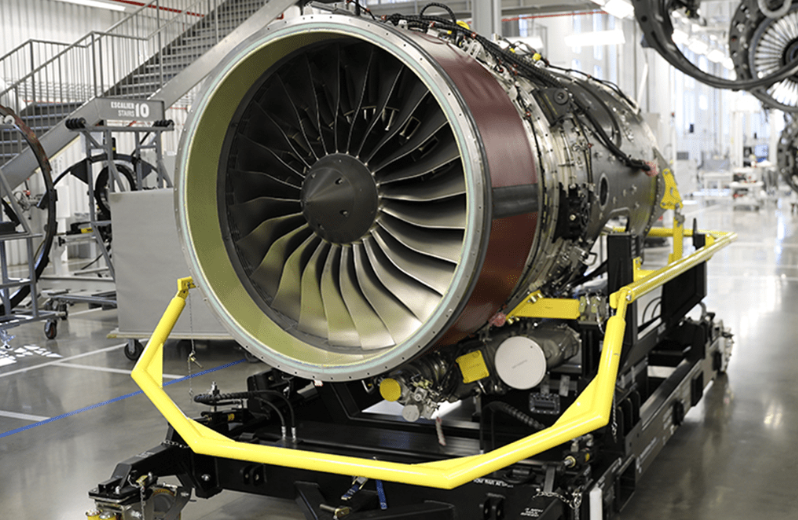
The A320neo (CFM LEAP / PW1100G engines) delivers up to 20% fuel savings over its predecessor, with a 2–4% absolute fuel burn advantage over the 737 MAX in most mission profiles. The A320neo is also approximately 5 EPNdB quieter — a growing priority for slot-constrained airports and urban communities.
Production Rate Targets
Airbus is targeting 70–75 A320 family aircraft per month by end-2027, with 2026 deliveries planned at approximately 870 total. Boeing is ramping 737 MAX to 52 aircraft per month by end-2026 (up from ~42/month currently), with a longer-term roadmap to 63/month as supply chain confidence grows.
Competitive Pressures & New Entrants
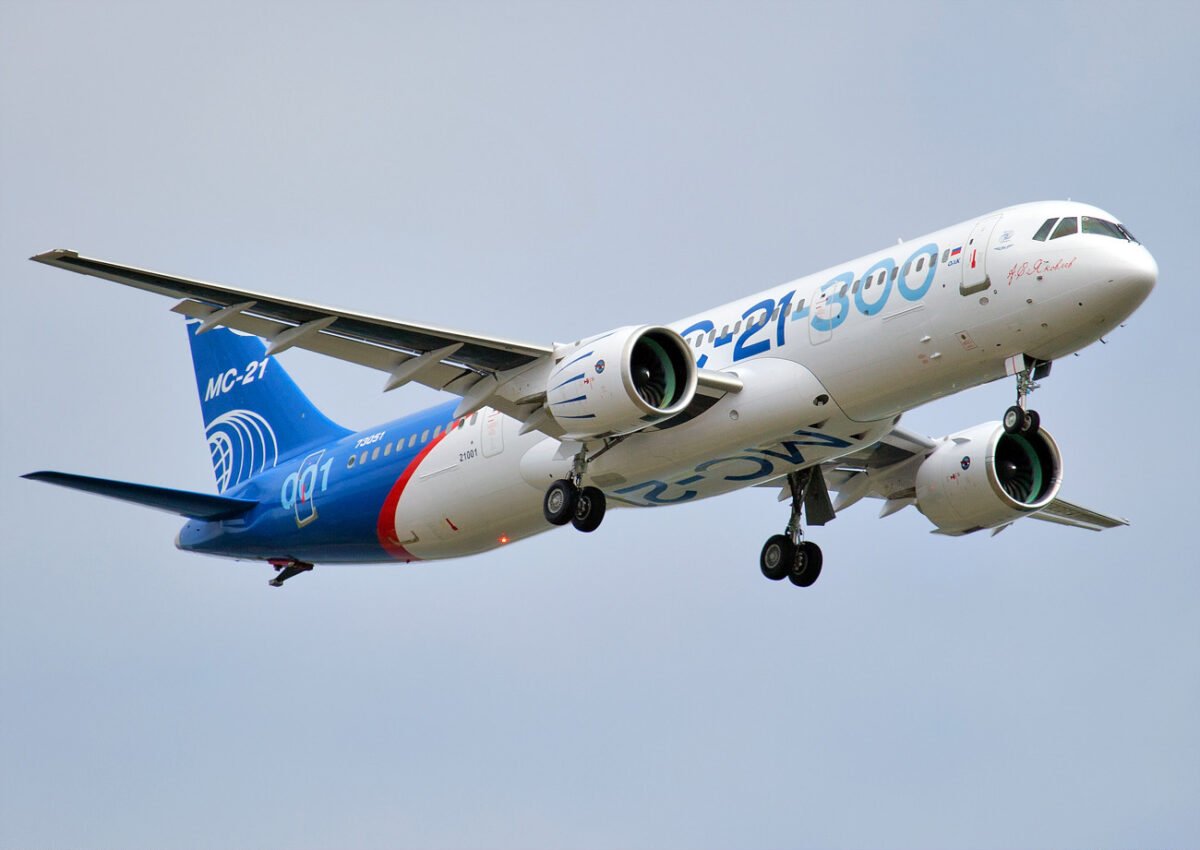
Supply chain disruptions, engine delivery delays (notably from CFM and RTX/Pratt & Whitney), and rising material costs continue to constrain both manufacturers. Chinese entrant COMAC C919 represents a growing domestic alternative for Chinese carriers, though its global footprint remains limited through 2026.
Boeing 737 MAX vs Airbus A320neo: 2026 Head-to-Head
| Feature | Boeing 737 MAX | Airbus A320neo |
|---|---|---|
| Narrowbody Market Share (2026) | ~40% | ~60% ✦ |
| Fuel Efficiency Improvement | 14–20% vs NG | Up to 20% — slight edge |
| Absolute Fuel Burn Advantage | Baseline | 2–4% better in most analyses |
| Production Target (end-2026) | 52/month | ~65/month (en route to 75 by 2027) |
| Order Backlog (early 2026) | ~4,887 | ~7,190 |
| Cabin Width | Standard (17.2" seat) | Wider (18" seat advantage) |
| Noise Level vs Predecessor | Reduced | ~5 EPNdB quieter advantage |
| Cumulative Deliveries (all variants) | ~10,700+ | 12,487+ (most in history) |
Future Prospects: Innovation, Growth & Strategic Outlook
By the early 2030s, annual narrowbody production across both OEMs could exceed 2,200 units. Airbus maintains a lead in current orders and deliveries, but Boeing's production recovery trajectory and ongoing investment in next-generation narrowbody technology — including potential hybrid-electric propulsion elements in a 737 successor programme — could meaningfully reshape competitive dynamics before 2035.
Both manufacturers are adapting aircraft to accommodate increasing Sustainable Aviation Fuel (SAF) blends and are aligning product roadmaps with ICAO's net-zero by 2050 targets. Airlines continue to weigh total cost of ownership, passenger experience improvements, network flexibility, and maintenance ecosystem depth. These dynamics, combined with strong Asia-Pacific and Middle East demand, ensure that both the 737 MAX and A320neo will remain the dominant narrowbody choices through at least the early 2030s.
Frequently Asked Questions
The following questions are answered for airlines, lessors, and fleet strategists seeking quick, authoritative data.
Navigate the Narrowbody Market with Safe Fly Aviation
In 2026, Airbus holds delivery and efficiency advantages, while Boeing builds production momentum. Whether you need fleet advice, Boeing 737 or Airbus A320 parts sourcing, charter solutions, or aircraft trading expertise across India, UAE, MENA, and Africa — Safe Fly Aviation's specialists are ready.
✉ Request Aviation Consultation