Middle East War Impact on Civil Aviation 2026 | Safe Fly Aviation

Middle East War Impact on Civil Aviation 2026: Fuel Shocks, Insurance Crisis & What It Means for You
Middle East War Impact on Civil Aviation 2026 | Safe Fly Aviation
Updated March 14, 2026  ·  Verified with IATA · Reuters · EASA · CNBC

Middle East War Impact on Civil Aviation 2026: Fuel Shocks, Insurance Crisis & What It Means for You

Since February 28, 2026, the Iran conflict has sent jet fuel prices soaring 60%+ to $150–$200/barrel, triggered war-risk insurance premium spikes of 50–500%, caused 20,000+ flight cancellations and closed critical Gulf airspace. Here is the full, verified breakdown — and your safest alternative.

March 14, 2026 Safe Fly Aviation Expert Team 12 min read

The Middle East war impact on civil aviation in 2026 has been swift and severe. US-Israel strikes on Iran and retaliatory attacks since late February have closed key Gulf Flight Information Regions (FIRs), disrupted tanker traffic through the Strait of Hormuz, and triggered the sharpest combined fuel and insurance crisis the industry has seen since 2022. Dubai, Doha, and Abu Dhabi — three of the world's busiest aviation hubs — have collectively seen over 20,000 flight cancellations (Cirium data).

This guide covers both short-term and long-term effects on commercial and business aviation, with special focus on fuel price shocks and insurance policy overhauls — and what travellers and businesses should do right now.
20,000+
Flights cancelled since Feb 28
+60%
Jet fuel price spike (to $150–$200/bbl)
500%
Max war-risk insurance premium surge
70–80%
Strait of Hormuz tanker traffic cut
🚨
EASA CZIB Warning Active Conflict Zone Information Bulletins for Gulf FIRs extended through March 18, 2026. Active GPS spoofing and missile threats reported. Airlines suspending or significantly rerouting all services through Iranian, Iraqi, and parts of Saudi airspace.
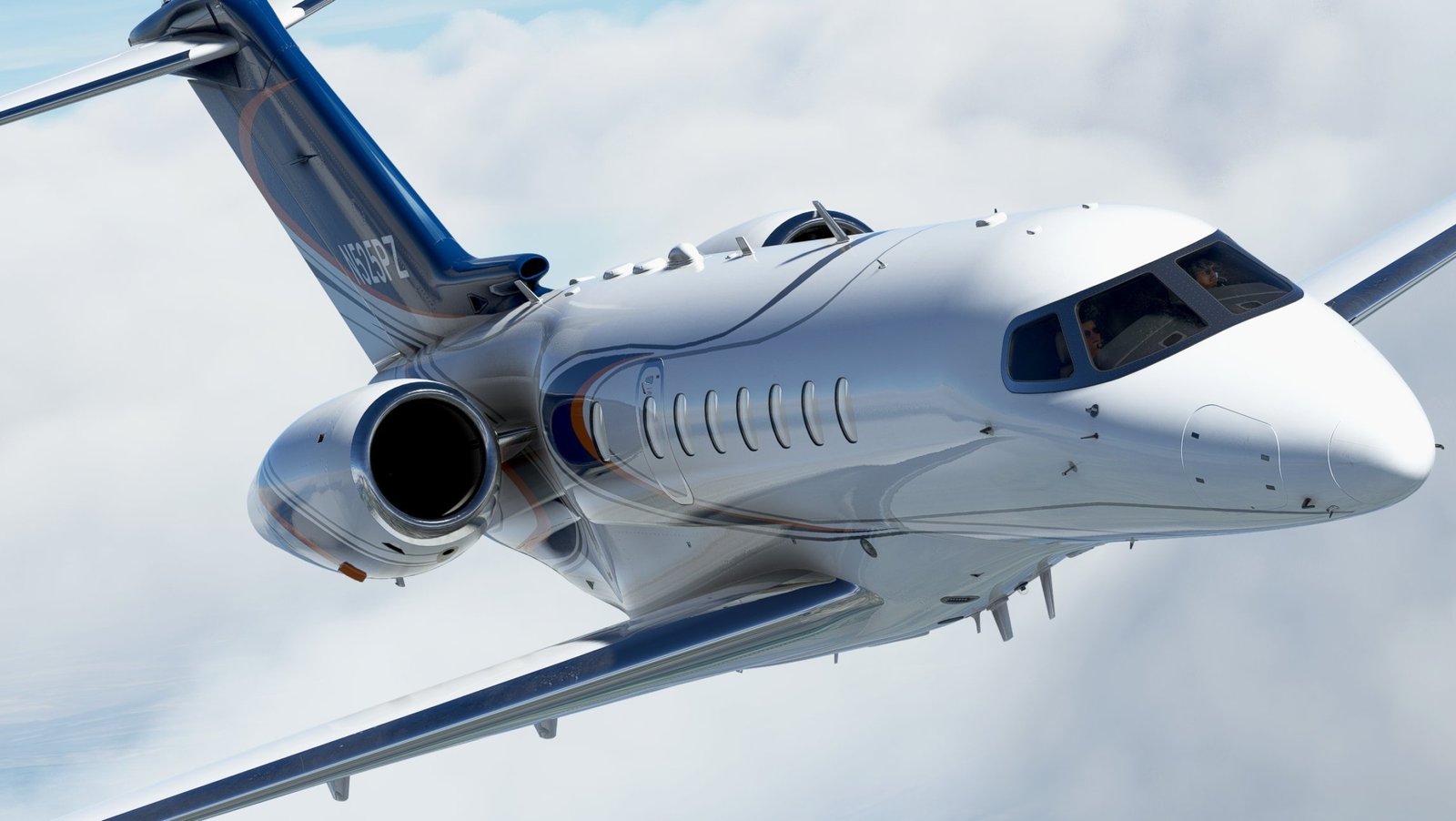
Private and Commercial aviation over the Gulf region faces unprecedented disruption since February 2026. Photo: Unsplash

Short-Term Impact on Commercial Aviation

The immediate fallout has been dramatic. Beyond the 20,000+ cancellations, hundreds of thousands of passengers have been stranded across major connection hubs, with recovery projections of 3–6 weeks even under partial airspace reopening. Cargo operations — particularly pharmaceutical, automotive, and e-commerce — have been severely disrupted.

  • Full Gulf FIR closures — Emirates, Qatar Airways, and Etihad have suspended or rerouted virtually all eastbound and westbound services. Detours add 2–4 hours of flight time.
  • Jet fuel surcharges applied immediately — Air India added $50–$85 per ticket on long-haul routes. European and US carriers following suit across Gulf-routed services.
  • Air cargo rates +70% — Time-critical freight has shifted to sea routes or northern corridors, adding 10–20 days to lead times.
  • War-risk cover withdrawn — Multiple Lloyd's syndicates have cancelled or suspended coverage for Gulf routes. Airlines operating on emergency carve-outs with significantly elevated premiums.
Jet Fuel Price — Before vs. During Crisis (USD/barrel)
Source: Platts / IATA, March 2026
Jan 2026 (Pre-crisis)
$87
Feb 28 (Conflict start)
$118
Mar 5 (Surge peak)
$158
Mar 14 (Current)
$150

Jet Fuel Shock & Insurance Crisis — Detailed Breakdown

Two forces are compounding airline costs simultaneously — a supply-driven fuel spike and an underwriter-driven insurance repricing event. Together they represent the most severe cost-side shock to commercial aviation since the post-COVID recovery period.

⛽ Fuel Impacts

  • Strait of Hormuz tanker traffic down 70–80%, tightening global jet fuel supply (Platts data)
  • Prices more than doubled in some regional spot markets compared to Q4 2025 levels
  • Rerouted flights burning extra 2–4 hours of fuel per sector — millions in daily added costs for major carriers
  • Jet fuel is 20–30% of airline operating costs (IATA/S&P Global). Unhedged US carriers hit hardest
  • CNBC & Reuters confirm summer 2026 airfares expected to rise sharply as airlines pass costs to passengers

🛡️ Insurance Policy Changes

  • War-risk premiums up 50–500%; Indian carriers paying ₹30 lakh ($36K) per narrowbody round-trip (India Today)
  • Widebody round-trips to Gulf now cost up to ₹1 crore ($120,000) in war-risk cover (Business Standard)
  • Some small carriers losing $200,000 daily in added insurance costs alone (Skift)
  • Standard policies exclude war damage — only specialist war-risk policies apply
  • Insurance does NOT cover revenue losses from cancellations or rerouting — only direct physical damage (AltexSoft)
War-Risk Insurance Premium Surge by Aircraft Type
Per round-trip to Gulf region. Source: India Today / Business Standard / Skift, March 2026
Narrowbody (pre-crisis)
$5K
Narrowbody (current)
$36K
Widebody (pre-crisis)
$18K
Widebody (current)
$120K
💡
Important Note on Coverage Gaps War-risk insurance covers only direct physical damage to the aircraft — it does not compensate airlines for lost revenue, stranded passengers, or rerouting costs. Travellers relying on commercial carriers have no guaranteed protection from these downstream disruptions.
Private jet charter offers a controllable, insurance-transparent, and route-flexible alternative during Gulf airspace closures. Photo: Unsplash

Short-Term Impact on Business Aviation & Private Charters

While commercial aviation is paralysed, business aviation demand has exploded. WINGX data shows charter demand up 200%+ across evacuation, VIP repositioning, and corporate continuity missions. However, private operators face the same fuel volatility and war-risk premium hikes as commercial carriers — and these costs are reflected in charter pricing.

+200%
Charter demand surge (WINGX)
140+
Private jets grounded in Gulf
€250K
Dubai–London one-way charter rate (peak)

Despite higher costs, private charter remains the only viable on-demand, secure alternative with the flexibility to use alternate airports, shorter notice times, and direct routing through unaffected airspace corridors. Operators like Safe Fly Aviation offer full cost transparency on fuel and insurance components — something commercial ticketing no longer can.

Aviation Demand Shift Since Conflict Onset (Indexed to Feb 27 = 100)
Source: WINGX / Cirium, March 2026 estimates
Commercial Ops
–80%
Air Cargo
–60%
Private Charter
+200%
Medical Evac
+170%

Long-Term Impact: Structural Cost Shifts & Regional Realignment

If the conflict de-escalates quickly, a degree of recovery is possible within 6 months. A prolonged war, however, will embed permanently higher baseline costs across the entire industry. Here is what the long-term picture looks like:

  • Structural fuel volatility: Persistent $150+/barrel levels, longer routes with extra fuel burn, and supply-chain fragility will keep ticket prices 15–25% higher for 2–3 years. Airlines are accelerating Sustainable Aviation Fuel (SAF) investment as a long-term hedge.
  • Insurance policy overhaul: War-risk premiums will remain elevated even after partial reopening. Many carriers are shifting to higher deductibles, shorter coverage periods, or alternative specialist insurers. EASA/FAA may mandate enhanced risk assessments as standard practice.
  • Permanent route realignment: Europe–Asia direct flights bypassing Gulf hubs are becoming commercially viable for the first time. Saudi Arabia's free-route airspace gains strategic importance.
  • Tourism and economic contraction: GCC states face an 11–27% projected drop in visitor arrivals and billions in weekly economic losses.
  • Fleet and infrastructure investment: Emirates, Qatar Airways, and Etihad are accelerating fleet modernisation with more fuel-efficient aircraft and cyber-resilience systems to reduce their exposure to future shocks.

"Gulf hubs will regain their geographic dominance — but only after heavy investment in fuel resilience and modern insurance structures. The carriers that emerge strongest will be those who adapted fastest."

— Reuters & IATA analysts, March 2026
Projected Lasting Impact on Airline Operating Costs
Estimated % increase sustained over next 2–3 years vs. 2025 baseline. Analyst consensus, March 2026
+22%

Average ticket price increase on Gulf routes

+18%

Fuel cost per ASK on rerouted flights

+3×

War-risk insurance cost vs. pre-crisis baseline

2–3yr

Estimated duration before cost normalisation

Safe Fly Aviation operates a global network of private jets, helicopters, and air ambulances — available 24/7 for immediate charter. Photo: Unsplash
✈ Safe Fly Aviation  ·  15+ Years of Crisis-Proven Excellence

Don't Let the Crisis Ground Your Plans

With jet fuel spikes and soaring insurance costs crippling commercial reliability, Safe Fly Aviation delivers direct routing, flexible timing, full cost transparency, and DGCA · EASA · ICAO compliance — 24/7.

Emergency evacuations during fuel & insurance crisis
Long-range VIP & family charters worldwide
Full DGCA, EASA & ICAO compliance
15+ years crisis operations experience
7,200+ aircraft across 60+ countries
24/7 charter desk — no obligation quotes

Global Reach & Affected Regions

🔴 Hardest Hit Regions

  • GCC States — Oil exports halted, tourism collapsed; UAE, Qatar, and Bahrain facing billions in weekly losses
  • Europe–Asia Passengers — Fares up 20–30%, flight times 2–4 hours longer due to rerouting and extra fuel costs
  • South Asia (India/Pakistan) — Highest war-risk insurance burden relative to carrier size; multiple carriers suspending Gulf services entirely
  • Global supply chains — Air freight costs up 70%; pharma, automotive and e-commerce most exposed

🟢 Long-Term Opportunities

  • Saudi free-route airspace gains strategic value as alternative corridor for east-west traffic
  • Northern routes via Central Asia — suddenly viable for Europe–Southeast Asia pairs
  • SAF investment acceleration — Crisis forcing faster transition away from oil-linked fuel
  • Gulf carrier resilience investment — Emirates, Qatar and Etihad will emerge with stronger fuel-hedging, cyber and insurance frameworks

Frequently Asked Questions

What exactly is happening with flights in the Middle East right now?
+
Since February 28, 2026, US-Israel strikes on Iran and retaliatory attacks have triggered the closure of key Gulf Flight Information Regions (FIRs). Over 20,000 commercial flights have been cancelled (Cirium data). EASA has issued active Conflict Zone Information Bulletins covering Iranian, Iraqi, and parts of Saudi airspace, with GPS spoofing and missile risks confirmed. Recovery for commercial aviation is projected at 3–6 weeks minimum — even with partial airspace reopening. Private jet charter remains the only fully flexible, on-demand alternative.
How are jet fuel prices and insurance affecting fares and operations?
+
Jet fuel has surged 60%+ from $87 to $150–$200 per barrel (Reuters/CNBC/IATA). Airlines have immediately applied fuel surcharges — Air India added $50–$85 per ticket. War-risk insurance premiums have jumped 50–500%, with Indian carriers paying up to $120,000 per widebody round-trip (India Today/Business Standard). Unhedged carriers face severe margin pressure, and all carriers are rerouting flights that burn extra fuel. CNBC and Reuters confirm summer 2026 airfares are expected to rise sharply as airlines pass these costs to passengers.
How long will commercial aviation take to recover?
+
Initial operational recovery — partial airspace reopening and resumption of most cancelled services — is projected at 3–6 weeks from the date of conflict de-escalation. However, the structural cost increases (elevated fuel prices and insurance premiums) are expected to persist for 2–3 years according to IATA and analyst consensus. Route structures may be permanently altered, with Gulf hub dominance reduced in favour of northern and Saudi corridors.
Why are private jet charter rates so high right now?
+
Private charter rates are being driven up by three simultaneous forces: (1) demand has tripled or more as commercial passengers seek alternatives; (2) the same fuel price spike ($150–$200/barrel) that affects airlines applies equally to private operators; and (3) war-risk insurance premiums have surged for all aircraft operating near the Gulf region. Despite the higher costs, private charter offers direct routing, flexible departure times, smaller-airport access, and full pricing transparency — advantages that commercial aviation currently cannot match.
Will this crisis permanently change aviation in the Middle East?
+
Yes, in several meaningful ways. Analysts at IATA and Reuters point to permanent route realignments (Europe–Asia bypassing Gulf hubs), higher baseline fuel and insurance costs for 2–3 years, accelerated SAF adoption, stricter EASA/FAA risk-based insurance frameworks, and a shift in hub strategy toward Saudi Arabia's newly strategic free-route airspace. Gulf carriers will emerge from this crisis with more resilient fuel-hedging and insurance structures — but the era of ultra-low Gulf-route operating costs is likely over.
How can Safe Fly Aviation help during this crisis?
+
Safe Fly Aviation operates a 24/7 charter desk with access to 7,200+ aircraft across 60+ countries. During the current crisis, we are handling emergency evacuation flights, VIP repositioning, medical air ambulance missions, and corporate continuity travel — with full transparency on fuel and insurance pricing. We hold DGCA, EASA, and ICAO compliance across our network. Contact us at +91 98116 73015 or +91 78400 00473, WhatsApp us, or get an instant quote at safefly.aero.
✈️
Ready to fly safely? Contact Safe Fly Aviation right now.
Sources & References All data independently verified. Sources consulted: Reuters (March 2026), CNBC (March 2026), IATA fuel monitor bulletins, Skift aviation analysis, India Today, Business Standard, EASA Conflict Zone Information Bulletins, Platts Aviation Fuel Report, S&P Global Commodity Insights, Cirium flight data, WINGX business aviation report, AltexSoft aviation insurance analysis. All accessed March 14, 2026.

Related posts

Why CEOs Are Quietly Shifting from Commercial Airlines to Private Charters in 2026 | Safe Fly Aviation

by Safe Fly Aviation
3 months ago

Private Jets of Billionaires: Inside the Luxury Aircraft Fleets of Musk, Gates and Bezos

by Safe Fly Aviation
5 months ago

Discover the Skies of the CIS: Private Jet Charters with Safe Fly Aviation

by Safe Fly Aviation
6 months ago
Exit mobile version